Author name: admin-tejas

dental crown

Can You Replace an Old Crown with a New One?

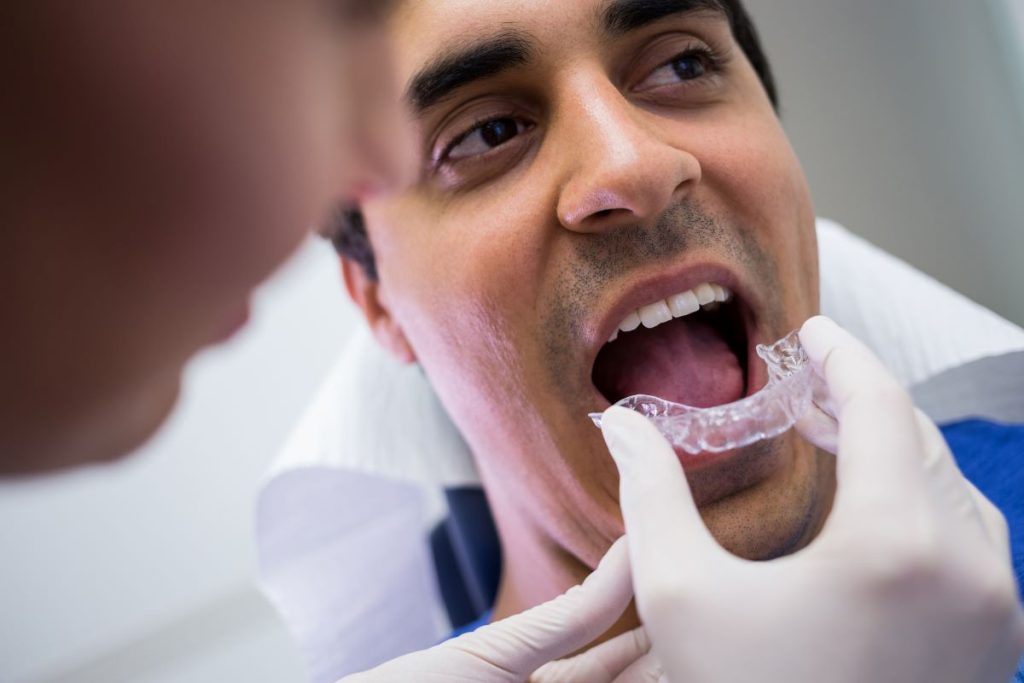
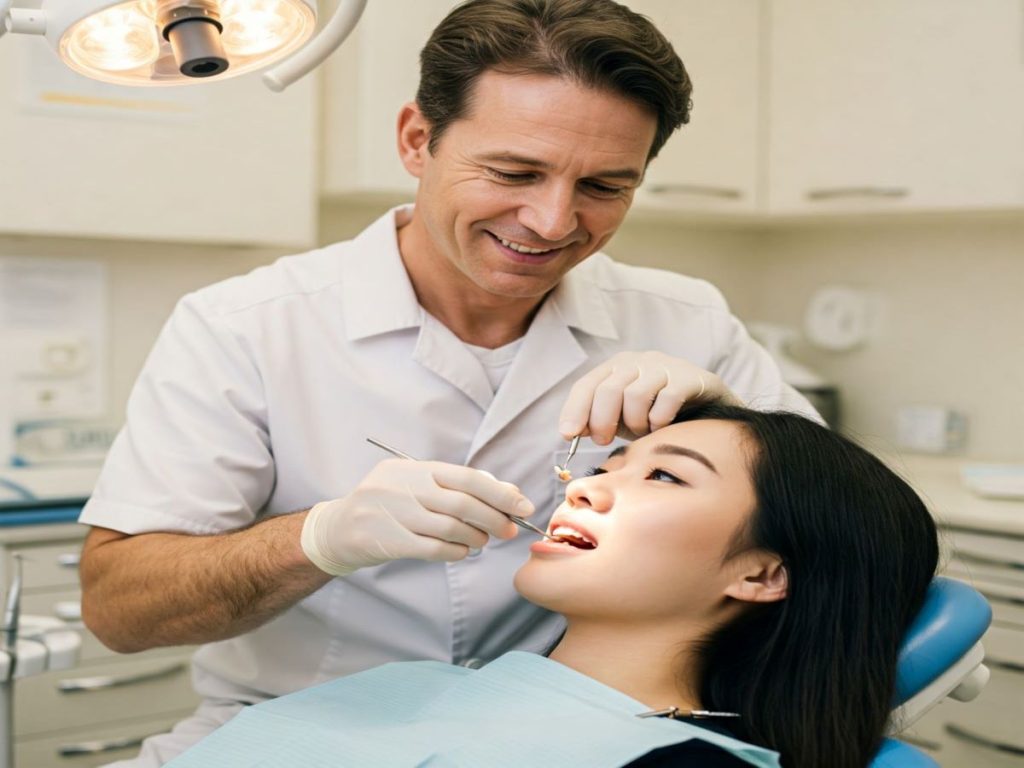
Dental crowns are a popular solution in restorative dentistry, known for their ability to protect weakened teeth, restore broken ones, and improve overall dental aesthetics. However, like any dental work, crowns aren’t permanent and may need replacement over time. If you’re wondering “Can you replace an old crown with a new one?”—the answer is yes, and in many cases, it’s necessary to maintain good oral health. In this comprehensive blog post, we’ll explore why crowns need replacement, how the procedure works, and what to expect when you visit a dentist. If you’re based in Western Australia and searching for high-quality dental crowns and dental bridges in Ellenbrook, this guide is especially for you. Why Do Dental Crowns Need Replacement? Dental crowns, though durable, are not immune to wear and tear. Typically, a crown can last between 10 to 15 years, depending on the material used and your oral hygiene habits. Here are some common reasons for crown replacement: If you’re experiencing discomfort or see visible damage to your crown, it’s essential to book a consultation with a qualified Ellenbrook dental professional. Signs You May Need a New Dental Crown Knowing when to replace a crown can save you from more extensive dental work down the line. Here are key signs to watch for: If you experience any of these symptoms, it’s wise to visit a trusted Ellenbrook dental clinic to assess the condition of your current crown. The Replacement Procedure: What to Expect Replacing an old dental crown is a fairly straightforward process that involves a few simple steps: Whether you’re replacing a porcelain crown or switching to a more modern material like zirconia, dental crown and dental bridges in Ellenbrook are quick, efficient, and largely painless. Types of Dental Crowns Available Today Modern dental technology offers a variety of crown materials, each suited for specific needs: Your Ellenbrook dental professional can help you choose the right material based on your needs and budget. Dental Bridges vs. Crowns: What’s the Difference? While dental crowns cap individual teeth, dental bridges in Ellenbrook are used to fill the gap created by missing teeth. A bridge consists of one or more artificial teeth (pontics) held in place by crowns on adjacent teeth. Sometimes, if your old crown is part of a bridge, the entire unit may need replacement. This makes it essential to consult a dentist who specializes in both dental crowns and dental bridges in Ellenbrook to ensure optimal results. How Long Do New Crowns Last? The lifespan of a new crown largely depends on the material chosen and how well you care for it. On average: Routine dental checkups, brushing twice daily, flossing, and avoiding hard foods will extend your crown’s longevity. Costs and Insurance Considerations The cost to replace a dental crown varies based on materials and whether additional work is needed (e.g., root canal or filling). Many Ellenbrook dental practices accept major insurance plans, and some offer payment plans for more expensive procedures. Always check with your insurance provider and the clinic about out-of-pocket expenses. Choosing the Right Dentist in Ellenbrook Replacing an old crown is not just about comfort—it’s about protecting your oral health long-term. That’s why it’s important to choose an experienced provider of dental crowns and dental bridges in Ellenbrook. Look for a clinic that offers: Don’t settle for outdated crowns or deteriorating restorations. A high-quality replacement will not only restore function but also enhance the appearance of your smile. Final Thoughts Yes, you can replace an old dental crown, and doing so at the right time can prevent further dental issues. Whether your crown is cracked, causing discomfort, or simply outdated, modern dentistry provides excellent solutions to restore both function and aesthetics. If you’re looking for reliable services for dental bridges or dental crowns in Ellenbrook, consult a professional Ellenbrook dental provider to explore your options and restore your smile with confidence. Need your crown checked or replaced?Contact your local Ellenbrook dental clinic today to schedule an assessment and discover the best solution for your smile and book an appointment Also read: Dental Crowns vs. Fillings: Which Is the Better Choice?
When to Consider a Denture Reline or Adjustment?
dentures

When to Consider a Denture Reline or Adjustment?

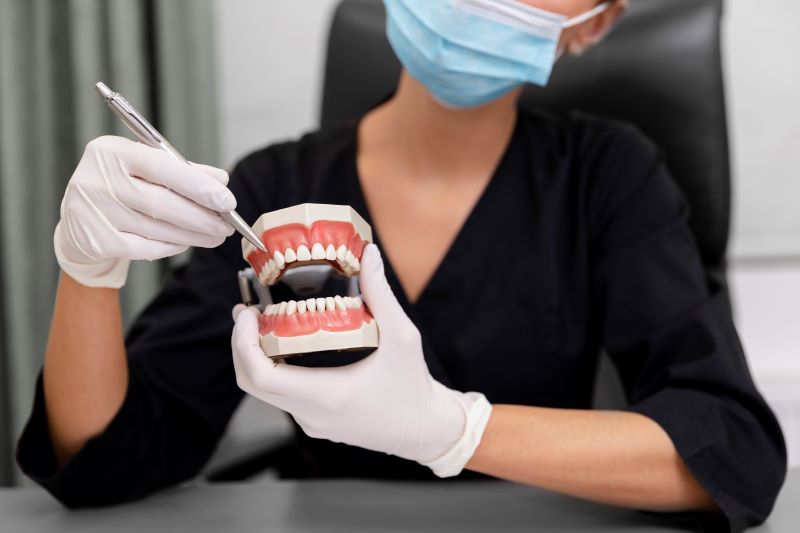
If you wear dentures, you know how important a proper fit is to your comfort and overall oral health. Over time, however, you may begin to notice that your dentures don’t feel quite as snug as they once did. Maybe they slip when you talk, cause irritation, or make it harder to chew. These are all signs that it might be time to consider a denture reline or adjustment. In this post, we’ll dive into the signs you should look out for, what a reline or adjustment involves, and how often you should visit your dentist denture in Ellenbrook to keep your dentures in tip-top shape. What Is a Denture Reline or Adjustment? A denture reline is a procedure that involves reshaping the underside of your denture so that it better conforms to the current contours of your gums. An adjustment, on the other hand, usually refers to smaller tweaks to relieve pressure points, reduce slipping, or fix alignment issues. Both procedures are common and can significantly improve your comfort, bite, and confidence while wearing dentures. They help extend the life of your dentures without requiring a completely new set.Why Dentures Become Loose Over Time Our mouths are constantly changing. Bone loss in the jaw is a natural consequence of losing teeth, and the shape of your gums can change with age, weight loss, and other health conditions. Dentures are made to fit your mouth at a specific time, so any change in your oral anatomy can cause them to feel loose or uncomfortable. If you got your dentures fitted a year or more ago and they don’t feel as secure anymore, this isn’t unusual—it’s just your body evolving. That’s why regular check-ups with a dentist denture Ellenbrook provider are crucial for long-term denture success. Signs You Might Need a Denture Reline or Adjustment Here are the most common signs that it’s time to schedule a reline or adjustment: 1. Looseness or Slipping If your dentures move while you’re talking or eating, that’s a key sign they’re no longer fitting as they should. This can lead to embarrassing moments and make daily tasks more difficult. 2. Sore Spots or Irritation Ill-fitting dentures can rub against your gums and soft tissue, leading to sores, blisters, or inflammation. A reline smooths the fit and can alleviate this discomfort. 3. Difficulty Eating or Speaking Struggling to chew food or pronounce certain words is often a result of dentures shifting around in your mouth. An adjustment can improve your bite and restore function. 4. Gum Shrinkage If you can visibly notice that your gums have receded or changed shape, it’s likely affecting how well your dentures fit. This is especially common in the first few months after tooth loss. 5. Frequent Use of Adhesives If you’ve started relying heavily on denture adhesives to keep your prosthetics in place, your dentures probably need relining or adjusting. Types of Denture Relines There are three main types of relines your dentist might recommend: Your dentist will help determine which option is best based on your gum health, the age of your dentures, and your lifestyle needs. How Often Should You Get a Reline or Adjustment? It’s generally recommended to have your dentures evaluated every 1 to 2 years, but some patients may need adjustments more frequently. Soft relines may need to be redone every 6 to 12 months, while hard relines can last a few years with proper care. If you’ve had significant changes in your weight, experienced bone loss, or undergone oral surgery, schedule a visit with your denture specialist as soon as possible. What Happens During the Procedure? A denture reline is usually a quick and straightforward process. For soft and temporary relines, the procedure is often done in-office in less than an hour. For hard relines, your dentures may be sent to a dental lab, and you’ll be given a temporary replacement or asked to return later that day. Adjustments for pressure points or small issues can often be made chairside with minor reshaping, trimming, or realignment. There’s little to no discomfort during the procedure, and you’ll typically walk out with a better-fitting, more comfortable smile. Don’t Wait—A Better Fit Means Better Health Ignoring loose or uncomfortable dentures can lead to bigger problems down the road, including infections, gum damage, and difficulties with eating and nutrition. It can also affect your self-esteem and social confidence. If you’ve noticed any of the signs mentioned above, book a consultation with a denture professional today. Whether you need a minor adjustment or a full reline, you’ll be amazed at how much difference a proper fit can make in your daily life. Ready to Feel Comfortable in Your Smile Again? If your dentures are giving you trouble, don’t suffer in silence. Reach out to your local dentist in Ellenbrook and ask about a reline or adjustment. With regular care and the right professional guidance, your dentures can continue to serve you well for years to come. Read More: Fluoride for Kids: Is It Safe and Necessary?

Fluoride for Kids: Is It Safe and Necessary?
Pediatric Dentistry

Fluoride for Kids: Is It Safe and Necessary?

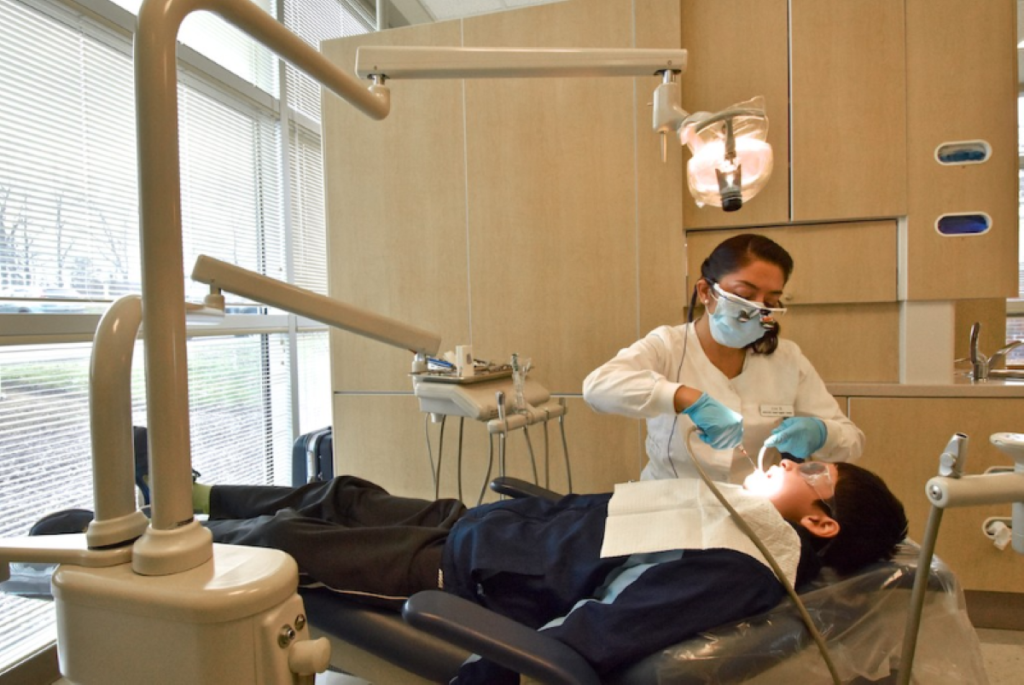
Fluoride has long been a topic of discussion in pediatric dentistry. While some parents swear by its benefits, others have concerns about its safety. As a crucial mineral for strengthening teeth and preventing cavities, fluoride is widely recommended by dental professionals. But is it truly safe and necessary for children? In this article, we’ll explore the role of fluoride in kids’ dental health, its benefits, and potential concerns. What Is Fluoride and How Does It Work? Fluoride is a naturally occurring mineral found in water, soil, and certain foods. It plays a significant role in preventing tooth decay by strengthening tooth enamel and making it more resistant to acid attacks from bacteria and sugary foods. Fluoride can be applied directly to the teeth through toothpaste, mouth rinses, and professional treatments provided by a kids dentist in Ellenbrook. Many local water supplies also contain fluoride to help prevent cavities on a larger scale. The Benefits of Fluoride for Kids Fluoride is essential for maintaining strong and healthy teeth in children. Here are some of its key benefits: Is Fluoride Safe for Kids? The American Dental Association (ADA) and the World Health Organization (WHO) consider fluoride safe and effective when used in recommended amounts. However, excessive fluoride exposure can lead to a condition called fluorosis, which may cause mild discoloration of the teeth. To prevent fluorosis, it’s essential to: Sources of Fluoride for Children Children can receive fluoride from various sources, including: Should You Opt for Fluoride Treatments? While fluoride toothpaste and water are often enough for many children, professional fluoride treatments can provide extra protection. Dentists may recommend fluoride varnishes or gels, particularly for kids with a high risk of cavities. These treatments are quick, painless, and safe. Conclusion Fluoride is both safe and necessary for children when used appropriately. It helps prevent cavities, strengthens teeth, and ensures long-term oral health. Parents should ensure their children get the right amount of fluoride through toothpaste, drinking water, and professional dental treatments. If you have concerns about fluoride or your child’s dental health, Schedule a visit with our trusted pediatric dentist in Ellenbrook for expert, personalized care. Book an appointment today!

General Dentistry

Why Dentists Recommend Custom Mouth Guards for Teeth Grinding and Snoring

Teeth grinding (bruxism) and snoring are common oral health concerns that can significantly impact your well-being. Many people suffer from these conditions without realizing the long-term effects they can have on their teeth, jaw, and sleep quality. This is why dentists often recommend a custom mouth guard in Ellenbrook—a personalized dental appliance designed to protect your teeth and improve breathing during sleep. Unlike over-the-counter options, custom mouth guards offer a better fit, comfort, and effectiveness. In this article, we’ll explore why dentists emphasize the importance of custom mouth guards for teeth grinding and snoring and how they can improve your overall health. 1. Protection Against Teeth Grinding (Bruxism) Bruxism is a condition where individuals unconsciously grind or clench their teeth, especially at night. This repetitive action can lead to: A custom mouth guard acts as a protective barrier between your upper and lower teeth, reducing the pressure and damage caused by grinding. Unlike generic mouth guards, a custom-made one is specifically designed to fit your mouth comfortably, making it more effective in preventing dental complications. 2. Reducing Snoring and Sleep Apnea Symptoms Snoring occurs when airflow is restricted due to relaxed throat muscles. In some cases, snoring is linked to obstructive sleep apnea (OSA), a condition that causes pauses in breathing during sleep. Custom mouth guards can help by positioning the jaw slightly forward, keeping the airway open and reducing snoring. For individuals with mild sleep apnea, a dentist-recommended custom mouth guard can be a non-invasive solution to improve sleep quality and breathing. If you suffer from persistent snoring, visiting a general dentist in Ellenbrook can help determine whether a custom mouth guard is the right option for you. 3. Personalized Fit and Comfort One of the biggest advantages of a custom mouth guard is the personalized fit. Unlike store-bought alternatives that come in standard sizes, a custom mouth guard is crafted using impressions of your teeth. This ensures: When you get a custom mouth guard from a dentist in Ellenbrook, you can expect a high-quality device tailored to your needs, providing maximum protection while being comfortable enough to wear throughout the night. 4. Preventing Jaw Pain and TMJ Disorders Teeth grinding exerts excessive pressure on the jaw muscles and joints, leading to temporomandibular joint (TMJ) disorders. Symptoms of TMJ disorders include: A custom mouth guard helps by relieving stress on the jaw, reducing tension, and preventing further damage to the joints. If you experience jaw discomfort, a dental consultation can help determine whether a mouth guard is necessary. 5. Protecting Dental Restorations If you have crowns, veneers, or dental implants, bruxism can significantly impact their longevity. Grinding can wear down or even damage these restorations, leading to costly repairs. A custom mouth guard provides a protective barrier that safeguards your dental work, ensuring that your investments in oral health remain intact. 6. Reducing Morning Headaches Many people who grind their teeth at night wake up with tension headaches due to excessive muscle strain. A properly fitted custom mouth guard minimizes clenching, allowing the muscles to relax and reducing the frequency and severity of headaches. 7. Improving Sleep Quality Both snoring and teeth grinding can disrupt sleep, leading to fatigue and decreased focus during the day. By addressing these issues with a custom mouth guard, you can experience: For individuals who struggle with poor sleep due to snoring or grinding, consulting a general dentist in Ellenbrook can help find a suitable solution. 8. Long-Term Cost Savings While over-the-counter mouth guards may seem like a cheaper option, they often lack durability and effectiveness. Custom-made mouth guards are: Investing in a custom mouth guard in Ellenbrook can prevent expensive dental treatments in the future, saving you money in the long run. 9. Easy Maintenance and Hygiene Maintaining a custom mouth guard is simple. With proper care, these devices can last for several years. Dentists recommend: By following these steps, you can ensure your mouth guard remains in top condition for long-term use. 10. Professional Guidance and Follow-Ups When you get a custom mouth guard from a dentist in Ellenbrook, you receive expert care and guidance. Your dentist will: This level of personalized care ensures that your mouth guard is both effective and comfortable, helping you achieve better oral health and sleep quality. Conclusion Teeth grinding and snoring can have serious consequences on your oral and overall health. A custom mouth guard provides a simple yet effective solution to these issues by preventing dental damage, reducing jaw pain, improving sleep, and enhancing overall well-being. Unlike store-bought alternatives, a professionally made mouth guard offers superior fit, durability, and comfort. If you’re experiencing symptoms of bruxism or snoring, it’s best to consult a general dentist in Ellenbrook. A professional assessment will help determine the right type of mouth guard for your needs, ensuring maximum protection and comfort. Don’t Wait for Dental Issues to Worsen! Get professional care now. Book Your Appointment Today

Dental Implants

Am I a Candidate for Dental Implants? Key Factors to Consider

Dental implants are a revolutionary solution for replacing missing teeth, offering a natural look and long-term durability. If you’re wondering, “Am I a candidate for dental implants?” there are several key factors to consider. From oral health to lifestyle choices, understanding the requirements can help determine if this treatment is right for you. In this blog, we’ll explore the essential criteria for dental implants, their benefits, and why visiting an implant dentist in Ellenbrook is the first step toward restoring your smile. What Are Dental Implants? Dental implants are artificial tooth roots, typically made from titanium, that are surgically placed into the jawbone. They provide a stable foundation for replacement teeth such as crowns, bridges, or dentures. Unlike traditional dentures or bridges, implants integrate with the bone through a process called osseointegration, ensuring long-lasting support and improved oral function. Key Factors to Determine Candidacy for Dental Implants 1. Overall Oral Health A strong and healthy mouth is crucial for successful implant placement. You may be a suitable candidate if you: Before implant surgery, your dentist in Ellenbrook will assess your oral health and may recommend treatments like deep cleaning or fillings to improve your chances of success. 2. Sufficient Jawbone Density A strong jawbone is necessary to support the implant securely. If you have experienced bone loss due to missing teeth or gum disease, your dentist might suggest: Your implant dentist in Ellenbrook will use X-rays or 3D imaging to evaluate your bone structure and recommend the best course of action. 3. General Health and Medical Conditions Certain health conditions and medications can impact your ability to receive implants. Ideal candidates should: Discuss your medical history with your dentist in Ellenbrook to ensure implants are a safe option for you. 4. Age Considerations While there is no upper age limit for dental implants, candidates should have fully developed jawbones. This means: 5. Commitment to Post-Surgical Care Successful implants require proper aftercare, including: When Dental Implants May Not Be Suitable While implants are a great solution for many, they may not be ideal for those who: If you experience a dental emergency in Ellenbrook, such as a knocked-out tooth or severe infection, seeking prompt care can improve your eligibility for future implants. Benefits of Dental Implants Choosing dental implants offers numerous advantages, including: 1. Natural Look and Feel Implants closely resemble real teeth in appearance and function, allowing you to smile with confidence. 2. Long-Term Durability With proper care, implants can last a lifetime, making them a cost-effective solution. 3. Improved Oral Health Unlike traditional bridges, implants do not rely on neighboring teeth for support, preserving natural tooth structure. 4. Better Comfort and Functionality Implants allow you to eat, speak, and chew without discomfort, unlike removable dentures. 5. Jawbone Preservation By stimulating the jawbone, implants prevent bone loss and maintain facial structure. Next Steps: Consulting an Implant Dentist in Ellenbrook If you’re considering dental implants, the first step is scheduling a consultation with an implant dentist in Ellenbrook. They will: Conclusion Dental implants are an excellent option for restoring missing teeth, but they require careful evaluation and proper care. If you have concerns about your candidacy or need emergency dental care, don’t hesitate to reach out to a dentist in Ellenbrook for expert advice. Are you ready to transform your smile? Contact an implant dentist in Ellenbrook today to explore your options!

General Dentistry

Teeth Scaling and Cleaning: Why It’s Essential for a Healthy Smile

Maintaining good oral hygiene goes beyond brushing and flossing daily. Professional teeth scaling and cleaning are essential for keeping your teeth and gums healthy, preventing serious dental problems in the long run. Regular dental checkups not only help maintain a bright smile but also contribute to your overall well-being. If you’re looking for teeth cleaning in Ellenbrook, finding a trusted dental professional can ensure that your oral health remains in top shape. What Is Teeth Scaling and Cleaning? Teeth scaling and cleaning is a deep-cleaning procedure performed by a dentist or dental hygienist. It involves removing plaque and tartar buildup from the teeth and along the gum line. While regular brushing and flossing help prevent plaque accumulation, some areas of the mouth are difficult to clean, making professional cleaning necessary. Scaling specifically targets hardened plaque (tartar) that cannot be removed with a toothbrush. Using specialized tools, your dentist carefully scrapes off the buildup, preventing gum disease and tooth decay. The process is followed by polishing, which smooths the tooth surface and reduces future plaque accumulation. Why Is Teeth Scaling and Cleaning Important? How Often Should You Get Teeth Scaling and Cleaning? Most dental professionals recommend getting a professional cleaning at least twice a year. However, if you have gum disease, excessive plaque buildup, or other dental concerns, your dentist may recommend more frequent visits. If you’re looking for general dentistry in Ellenbrook, a reputable dental clinic can provide comprehensive oral care, including professional teeth cleaning and scaling, to ensure your smile stays healthy and vibrant. What to Expect During a Teeth Scaling and Cleaning Appointment How to Maintain Oral Hygiene Between Cleanings For those searching for an affordable dentist in Ellenbrook, many dental clinics offer cost-effective solutions and flexible payment plans to make quality dental care accessible for everyone. Investing in regular teeth cleaning now can save you from expensive and painful dental procedures in the future. Conclusion Teeth scaling and cleaning are vital for maintaining a healthy, beautiful smile. Regular professional cleanings prevent gum disease, cavities, and bad breath while keeping your teeth bright and polished. By prioritizing your oral health and visiting your dentist regularly, you can ensure long-term dental wellness. If you’re due for a cleaning, consider booking an appointment with a trusted dental provider in Ellenbrook today!

Veneers dentist in Ellenbrook

Porcelain vs. Composite Veneers: Which Option Is Right for You?

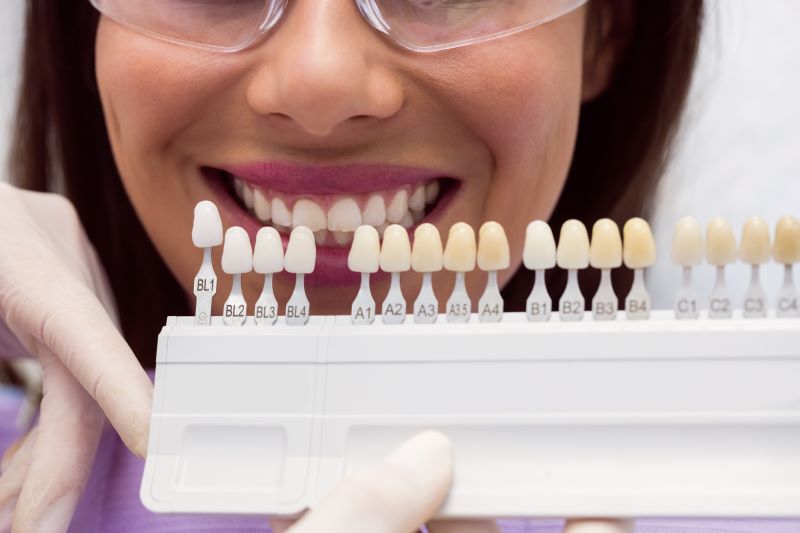
Your smile is one of the first things people notice about you, and if you’re considering enhancing it, veneers are an excellent choice. But the big question is: should you choose porcelain or composite veneers? Both options have their unique advantages and drawbacks. In this post, we’ll dive into the differences between the two and help you determine the right choice for your smile transformation. What Are Dental Veneers? Dental veneers are thin, custom-made shells designed to cover the front surface of your teeth. They’re an excellent solution for various cosmetic concerns, such as discoloration, chipped teeth, uneven alignment, or gaps. In Ellenbrook, dental veneers have become increasingly popular for individuals seeking a confident and radiant smile. Two primary materials are used to create veneers: porcelain and composite resin. Understanding the pros and cons of each is crucial for making an informed decision. Porcelain Veneers: The Gold Standard Porcelain veneers are crafted from high-quality ceramic material, known for their durability and natural appearance. Here are the key benefits of porcelain veneers: Drawbacks of Porcelain Veneers For those looking for durable and highly aesthetic results, porcelain veneers are often the go-to choice recommended by an Ellenbrook cosmetic dentist. Composite Veneers: A Cost-Effective Alternative Composite veneers are made of a tooth-colored resin material that is directly applied and shaped by your dentist. Here are some of their advantages: Drawbacks of Composite Veneers Factors to Consider When Choosing Veneers When considering veneers, it’s essential to choose a skilled and experienced cosmetic dentist. If you’re looking for a trusted provider, a dental veneers in Ellenbrook can guide you through the process, assess your specific needs, and recommend the best option. Achieving Your Dream Smile with Affordable Options For those on a budget, visiting an affordable dentist in Ellenbrook ensures that you get high-quality results without breaking the bank. Many dental practices offer flexible payment plans to make treatments like veneers more accessible. Conclusion: Which Veneer Option Is Right for You? Choosing between porcelain and composite veneers ultimately comes down to your goals, budget, and lifestyle. Porcelain veneers are ideal for those seeking long-lasting, highly aesthetic results, while composite veneers are perfect for individuals looking for an affordable, quicker solution. No matter which option you choose, veneers are an excellent investment in your confidence and smile. If you’re considering dental veneers in Ellenbrook, consult with an experienced local dentist to explore your options and create a smile you’ll love to share.

Emergency dentist in Ellenbrook

5 Common Dental Emergencies and How an emergency dentist Can Help

Dental emergencies can strike at the most unexpected times, causing pain, discomfort, and even panic. Knowing how to recognize these emergencies and what steps to take can save your teeth and protect your oral health. Here are five common dental emergencies and how an emergency dentist can provide the care you need. #1 Severe Toothache A toothache might seem like a minor issue, but if it becomes severe or persists, it could indicate an underlying problem such as tooth decay, an abscess, or a cracked tooth. Toothaches can be debilitating and interfere with your daily activities, making it crucial to seek professional help. An emergency dentist in Ellenbrook can quickly diagnose the cause of your pain and provide immediate relief. Whether it’s a filling, a root canal, or other treatment, they’ll ensure the issue is addressed promptly. #2 Broken or Chipped Tooth Accidents happen, and a broken or chipped tooth is one of the most common dental emergencies. This issue not only affects your appearance but can also expose the inner layers of your tooth to bacteria, leading to infection. A dentist in Ellenbrook can repair your tooth with treatments such as dental bonding, veneers, or crowns, restoring its appearance and functionality. Acting quickly can prevent further damage and save your tooth. #3 Knocked-Out Tooth Losing a tooth due to trauma can be a distressing experience, but immediate action can sometimes save the tooth. If this happens, gently rinse the tooth with water, avoid touching the root, and place it back into the socket if possible. If not, keep it in a container of milk or saliva to preserve it. An emergency dentist has the expertise to attempt re-implanting the tooth. Timely treatment, ideally within an hour, significantly increases the chances of saving the tooth. #4 Lost Filling or Crown When a filling or crown falls out, it leaves the affected tooth vulnerable to sensitivity, pain, and further damage. It’s essential to protect the tooth until you can see a dentist. Avoid chewing on that side and use dental wax or sugar-free gum to cover the exposed area temporarily. A dentist in Ellenbrook can replace the lost filling or crown, ensuring your tooth is protected and functioning properly again. They can also assess whether further treatment is needed to strengthen the tooth. #5 Dental Abscess A dental abscess is a severe infection that forms at the root of a tooth or in the surrounding gum tissue. Symptoms may include intense pain, swelling, fever, and a bad taste in your mouth. Left untreated, an abscess can spread the infection to other parts of your body, posing a serious health risk. An emergency dentist in Ellenbrook can treat the abscess by draining it, performing a root canal, or, in some cases, extracting the tooth. Prompt attention is vital to avoid complications. How to Prevent Dental Emergencies While not all dental emergencies can be avoided, taking preventive measures can significantly reduce the risk: Why Choose an Emergency Dentist? When dental emergencies arise, having access to an emergency dentist can make all the difference. They are equipped to handle urgent cases and provide the necessary care to alleviate pain and prevent further complications. Whether you’re dealing with a sudden toothache, a knocked-out tooth, or another dental emergency, don’t hesitate to seek help. If you’re searching for a trusted dentist in Ellenbrook, reach out to a professional who can provide the immediate attention and treatment you need. Remember, acting quickly can save your smile and protect your overall health. By understanding these common dental emergencies and how to handle them, you’ll be better prepared to act swiftly and ensure the best possible outcome for your oral health.

invisalign treatment

Eating and Drinking with Invisalign: Tips for Staying Comfortable

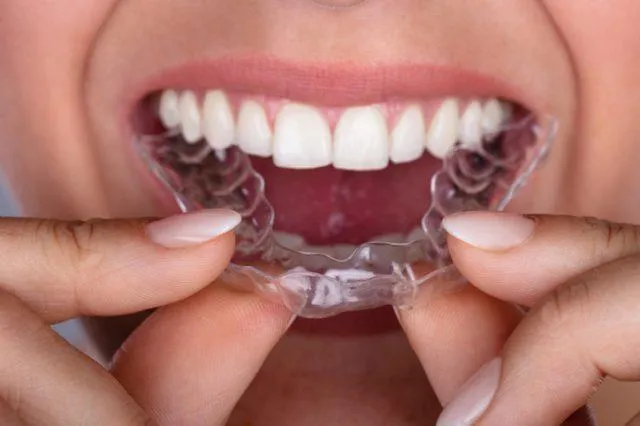
Invisalign aligners have revolutionized orthodontic treatment, offering a discreet and convenient way to straighten teeth. While they’re comfortable and easy to use, they do require some adjustments to your eating and drinking habits. To ensure a smooth treatment experience and maintain your oral health, here are some essential tips for eating and drinking with Invisalign. Understanding Invisalign Aligners Invisalign aligners are made of clear, BPA-free plastic that fits snugly over your teeth. They’re designed to be removable, which makes them incredibly convenient compared to traditional braces. However, because the aligners need to stay in for at least 20-22 hours a day for optimal results, you’ll need to plan your meals and snacks carefully. If you’re undergoing Invisalign treatment in Ellenbrook, your local dentist will provide you with detailed instructions to ensure you’re getting the most out of your aligners. Following these guidelines can make all the difference in your treatment journey. 1. Remove Your Aligners Before Eating and Drinking One of the most critical rules with Invisalign is to always remove your aligners before consuming anything other than water. Eating or drinking with aligners in can cause: Keep a storage case with you at all times to safely store your aligners while you eat or drink. Never wrap them in napkins or leave them out in the open, as they can be easily misplaced or damaged. 2. Stick to Water While Wearing Aligners Water is the only drink you should consume while wearing Invisalign. Beverages like coffee, tea, soda, or even sparkling water can: If you enjoy flavored drinks, make sure to remove your aligners and rinse your mouth with water before reinserting them. 3. Maintain Good Oral Hygiene Proper oral hygiene is essential during Invisalign treatment. After eating, always brush and floss before putting your aligners back in. This prevents food particles from getting trapped, which could lead to plaque buildup, tooth decay, or gum issues. If brushing isn’t possible immediately, rinse your mouth and your aligners with water to remove any food debris. Carry a travel-sized oral care kit with you to maintain your hygiene on the go. 4. Plan Your Meals and Snacks Since aligners need to be worn for the majority of the day, frequent snacking can disrupt your treatment schedule. To make the most of your time: If you’re looking for a dentist near Aveley to guide you through your Invisalign journey, they can provide additional tips and dietary recommendations tailored to your needs. 5. Avoid Sticky or Hard Foods Sticky and hard foods, such as caramel, gum, or tough nuts, can pose a risk to your teeth and aligners. Even though you’ll remove your aligners while eating, these types of food can stick to your teeth or cause damage, making it harder to clean effectively before reinserting your aligners. Instead, opt for soft, easy-to-chew foods that won’t leave residues behind. Healthy options like fruits, vegetables, and lean proteins are ideal for maintaining your oral and overall health. 6. Stay Hydrated Staying hydrated is always important, but it’s particularly crucial during Invisalign treatment. Saliva plays a significant role in maintaining oral health by washing away food particles and bacteria. Drinking plenty of water keeps your mouth hydrated and reduces the risk of bad breath or dry mouth. 7. Clean Your Aligners Regularly Your aligners need as much care as your teeth. Clean them at least twice a day using a soft toothbrush and a gentle, clear soap. Avoid using toothpaste, as it can scratch the aligners, making them more noticeable. Additionally, soak your aligners in a cleaning solution or Invisalign cleaning crystals weekly to keep them fresh and clear. This practice also helps eliminate bacteria and odors. 8. Be Mindful of Alcohol and Tobacco Alcohol and tobacco can significantly affect your Invisalign treatment. Alcoholic beverages can stain your aligners, while smoking can discolor them and your teeth. Both habits increase the risk of oral health issues, which can hinder your treatment progress. If possible, avoid these substances during your treatment period. Conclusion Eating and drinking with Invisalign requires a few adjustments, but with proper planning and care, it’s entirely manageable. By following these tips, you can ensure a comfortable experience and achieve the best results from your treatment. Remember to consult with your dentist if you have specific questions or concerns about your diet during treatment. Whether you’re undergoing Invisalign treatment in Ellenbrook or seeking a dentist near Aveley for personalized guidance, maintaining good habits and hygiene will set you up for a beautiful, healthy smile. Stick to the plan, and your Invisalign journey will be a success!

Dental Implants

Dental Implant Maintenance: The Importance of Regular Check-Ups

Dental implants are an excellent solution for replacing missing teeth, offering a durable and natural-looking restoration. However, like natural teeth, they require proper care and maintenance to ensure they remain in optimal condition. Regular check-ups play a vital role in preserving the health and functionality of dental implants. This article explores why maintenance is crucial and how routine dental visits can help you get the most out of your investment. Why Dental Implant Maintenance Matters Dental implants integrate with the jawbone, providing a stable foundation for prosthetic teeth. While implants are resistant to decay, the surrounding gums and supporting bone are still susceptible to issues like infection or bone loss. Without proper care, complications such as peri-implantitis—a condition similar to gum disease—can arise, jeopardizing the success of your implant. Regular check-ups allow your dentist to monitor your implants, catch potential problems early, and provide the necessary interventions to keep your implants healthy. The Role of Professional Check-Ups in Implant Health Professional dental check-ups go beyond what you can achieve with home care. During these visits, your dentist will: Maintaining Dental Implants at Home While professional care is essential, maintaining dental implants starts with a solid home-care routine. Here are some tips: Remember, even with excellent home care, professional cleanings are necessary to tackle the hard-to-reach areas. Addressing Emergencies with Dental Implants Implant-related emergencies, though rare, can occur. These may include: If you experience any of these issues, it’s essential to consult an emergency Ellenbrook dentist promptly. Immediate attention can prevent further complications and protect your investment. The Benefits of Choosing the Right Dentist When it comes to dental implants, selecting a qualified dentist is crucial. A skilled dentist not only ensures successful implant placement but also provides ongoing care to maintain them. Whether you’re new to the area or seeking expert care, finding a dentist near Ellenbrook with experience in implant maintenance is essential for long-term success. The Long-Term Impact of Regular Check-Ups Investing in dental implants is a commitment to your oral health and confidence. Regular dental visits help safeguard that investment by ensuring your implants function as intended for years to come. Moreover, check-ups promote overall oral health, as your dentist can detect and address other dental issues during these appointments. Conclusion Dental implants offer a reliable and long-lasting solution for missing teeth, but their success depends on consistent maintenance. Regular check-ups with a trusted professional for dental implant treatment in Ellenbrook are key to keeping your smile healthy and radiant. By combining professional care with diligent home hygiene, you can enjoy the full benefits of your dental implants for a lifetime. If you’re looking for expert dental care, whether for routine check-ups or emergencies, contact an experienced dentist near Ellenbrook today. Your smile deserves the best care possible!

Scroll to Top