Author name: admin-tejas

invisalign treatment

How Do I Know if Invisalign Is the Right Choice for My Smile?

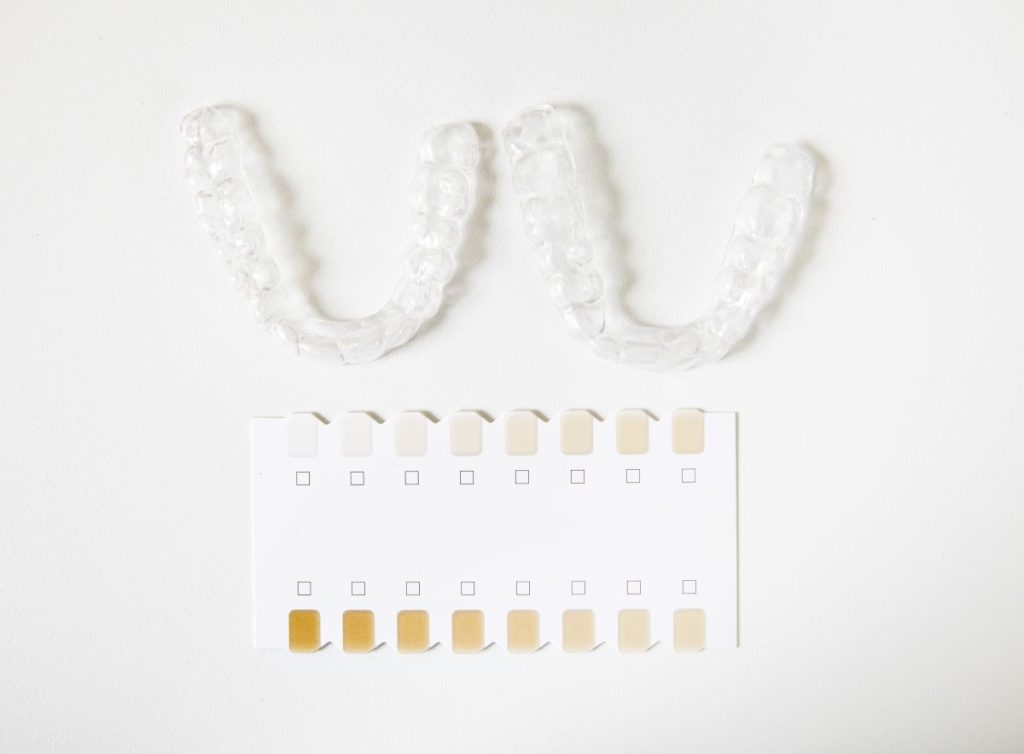
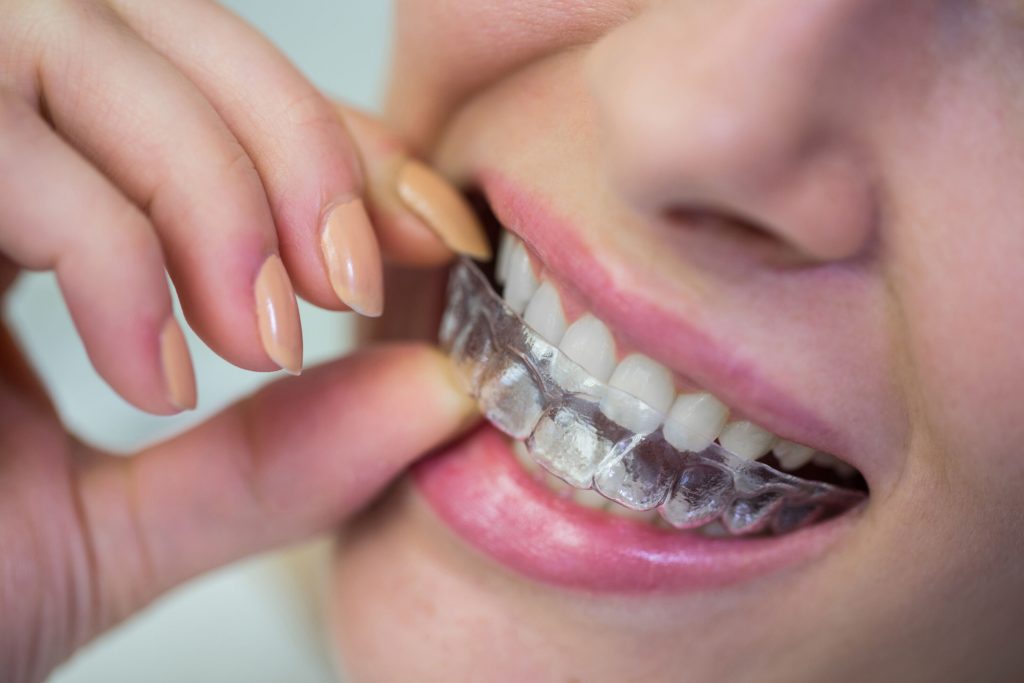
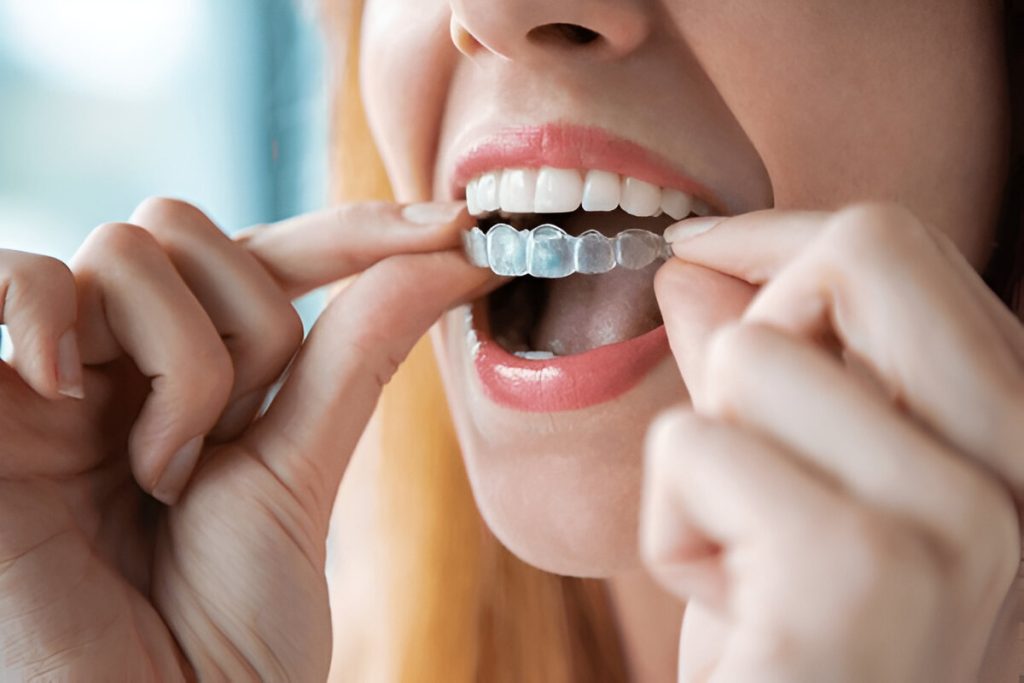
If you’ve ever looked in the mirror and wished for straighter teeth but hesitated at the thought of metal braces, you’re not alone. Many adults and teens today prefer a clear, comfortable, and discreet solution for improving their smiles. That’s where Invisalign Aveley comes in a modern alternative that can align your teeth without disrupting your lifestyle. In this post, we’ll break down what Invisalign is, how it works, who it’s best for, and how to decide whether it’s the right option for your unique smile. What Is Invisalign? Invisalign is an advanced orthodontic system that uses clear, removable aligners instead of traditional metal brackets and wires. Each aligner is custom-made to gradually move your teeth into the desired position. Unlike braces, Invisalign trays are nearly invisible and can be removed while eating, brushing, or for special occasions. This makes them an appealing choice for both teens and adults who want a subtle, convenient path to a better smile. At Aveley Dental, we have a trusted dentist in Aveley who will work with our experienced team to utilize digital 3D scans to formulate a custom treatment plan so you can see your future projected changes before we even begin!  Why Invisalign Matters A straight smile isn’t just about appearance it plays a big role in your oral health and self-confidence. Misaligned teeth can make cleaning harder, leading to gum problems or uneven wear. Invisalign helps correct these issues comfortably and effectively. Who Benefits Most from Invisalign? Whether you want cosmetic improvement or better oral health, Invisalign Aveley offers a balanced solution tailored to your needs. Key Questions to Ask Before Choosing Invisalign 1. How Does Invisalign Work? Invisalign uses a series of aligners that gently shift your teeth over time. You’ll wear each set for about two weeks before moving to the next, with checkups every 6–8 weeks to monitor progress. Each tray is designed based on precise 3D imaging, ensuring movement happens safely and predictably. 2. Am I a Good Candidate for Invisalign? Most patients with mild to moderate misalignment such as crowding, spacing, or slight overbites are great candidates. However, severe bite problems may still require traditional orthodontics. Your dentist in Aveley will perform an assessment and discuss whether Invisalign will deliver your desired results. 3. How Long Does Invisalign Treatment Take? The average treatment lasts 6–18 months, depending on your case. Many patients notice visible changes in their cases in a span of just a few months! Consistency is key wear your aligners for 20–22 hours per day for the best results. 4. Is Invisalign Painful? You may feel mild pressure or tightness when switching to a new set of aligners, but this is a normal sign that your teeth are moving as planned. Most patients find Invisalign far more comfortable than braces, with no wires or brackets to irritate the mouth. 5. How Much Does Invisalign Cost? Costs vary depending on the complexity of your treatment and duration. At Aveley Dental, we provide transparent pricing and flexible payment plans to make Invisalign affordable for every budget. Our friendly team will walk you through your options during your consultation. Common Misconceptions About Invisalign Let’s clear up a few myths we often hear from patients: Myth Truth Invisalign only works for small issues. Invisalign can fix most alignment cases, including crowding and bite problems. It’s just for teenagers. Adults love Invisalign for its discreet appearance and convenience. You can eat with aligners in. Always remove them before eating or drinking anything other than water. Results take years. Many patients achieve a straighter smile within 12 months or less. Tips for Getting the Most Out of Invisalign Here are some simple but effective ways to ensure your Invisalign treatment goes smoothly: FAQ: Invisalign Aveley 1. How noticeable are Invisalign aligners? They’re virtually invisible! Most people won’t even realize you’re wearing them. 2. Can I remove Invisalign anytime? Yes, but remember, they only work when worn consistently. Remove them only for meals, brushing, or short events. 3. How do I clean my aligners? Use a soft toothbrush, clear liquid soap, or Invisalign cleaning crystals. Avoid toothpaste it can scratch the trays. 4. Will I need retainers after Invisalign? Yes. Retainers help maintain your new smile and prevent teeth from shifting back. 5. Is Invisalign more expensive than braces? In many cases, costs are similar. The benefits comfort, appearance, and convenience often make Invisalign well worth it. Discover the Confidence of a Straighter Smile with Invisalign Aveley Choosing Invisalign Aveley can be life-changing offering a discreet, comfortable, and effective way to achieve the smile you’ve always wanted. Whether you’re an adult seeking subtle treatment or a teen looking for flexibility, Invisalign provides modern alignment without compromise. At Aveley Dental, our caring team and skilled dentist in Aveley will guide you through every step of your Invisalign journey from consultation to your final confident smile. Contact us today to schedule your Invisalign consultation, or visit our website https://www.aveleydental.com.au/ to learn more about our orthodontic and family dental care options. Read More: 10 Common Dental Problems in Kids and How a Kids Dentist Can Help
Tooth Extraction

What Actually Happens During a Tooth Extraction Procedure?

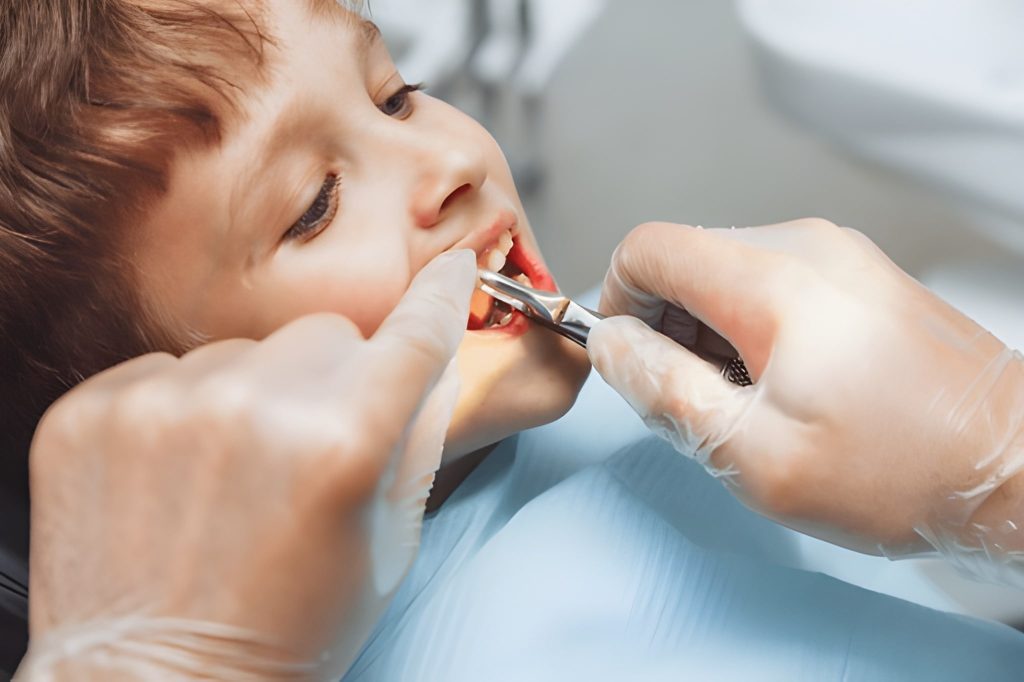
If the idea of getting a tooth pulled makes you uneasy, you’re not alone. Many people feel anxious before a dental extraction because they’re unsure what to expect. The good news is that modern dentistry has made the process far more comfortable and predictable than most imagine. In this guide, we’ll explain everything you need to know about tooth extractions in Aveley from preparation and procedure to recovery and aftercare. Whether you need a damaged tooth removed or wisdom teeth extracted, your trusted dentist in Aveley at Aveley Dental will ensure a safe, smooth, and stress-free experience. What Is a Tooth Extraction? A tooth extraction is a common dental procedure in which a dentist removes a tooth from its socket in the jawbone. While dentists always aim to preserve natural teeth, sometimes removal is necessary to protect your overall oral health. There are two main types of extractions: At Aveley Dental, our team ensures that your extraction is performed under local anesthesia or sedation for maximum comfort and minimal discomfort. Why Tooth Extractions Matter (and Who Needs Them) Tooth extractions are not just about removing a tooth they’re about restoring balance and preventing future dental issues. You may need an extraction if: Removing problematic teeth helps prevent infection, pain, and misalignment allowing you to maintain a healthy and confident smile. Key Things to Know About the Tooth Extraction Process Let’s break down what actually happens during tooth extractions in Aveley, step by step. 1. Initial Consultation and Diagnosis Your journey begins with an appointment at Aveley Dental, where your dentist in Aveley will examine your mouth and take digital X-rays. This helps determine the tooth’s position, root structure, and surrounding bone condition. The dentist will also discuss your medical history and any medications you’re taking to ensure a safe procedure. 2. Anesthesia and Preparation Before the extraction, local anesthesia is applied to numb the area completely. If you’re anxious, mild sedation options are available to help you feel relaxed and calm. You’ll remain awake but comfortable throughout the procedure. 3. Removing the Tooth Depending on the case: You may feel pressure, but not pain, as the dentist works carefully to preserve surrounding bone and tissue. 4. Cleaning and Stitching After the tooth is removed, your dentist will clean the socket thoroughly to remove any debris or infection risk. If necessary, dissolvable stitches are placed to promote faster healing. 5. Recovery and Aftercare A small piece of gauze is applied to control bleeding and help form a clot. Your dentist will give you aftercare instructions, which typically include: With proper care, most people recover within 7–10 days. Common Misconceptions About Tooth Extractions There are many myths about extractions that can make patients nervous. Let’s set the record straight. Myth Truth Extractions are extremely painful. With modern anesthesia and gentle techniques, you’ll feel little to no pain during the procedure. You can’t eat for several days afterward. You can eat soft foods within a day of your extraction. Extractions always lead to complications. Complications are rare when you follow your dentist’s aftercare instructions. Only wisdom teeth need to be removed. Any severely damaged or infected tooth may require extraction. Tips for a Smooth Recovery To ensure your healing process goes smoothly, follow these best practices: Your Aveley Dental team will provide detailed guidance based on your specific case. FAQs About Tooth Extractions in Aveley 1. How long does a tooth extraction take? Most extractions take between 20 and 40 minutes, depending on the tooth’s position and complexity. 2. Is the procedure painful? No. Local anesthesia ensures you don’t feel pain during the extraction. You may experience mild soreness afterward, which subsides within a few days. 3. Can I drive home after the procedure? If only local anesthesia was used, yes. If sedation was used, it’s best to have someone drive you home. 4. How do I prevent dry socket? Avoid smoking, using straws, or rinsing too forcefully during the first few days. These actions can dislodge the healing blood clot. 5. When can I return to work? Most patients return to normal activities within 1–2 days, depending on the extraction’s complexity. 6. Will I need a replacement for the missing tooth? In most cases, yes. Replacing the missing tooth with a dental implant or bridge helps maintain bite balance and prevent bone loss. Ask your dentist in Aveley for options. Restore Your Oral Health with Safe Tooth Extractions in Aveley Tooth extractions are often the first step toward better oral health and comfort. Understanding what happens during tooth extractions in Aveley helps you feel confident and prepared for the procedure. At Aveley Dental, our experienced team provides gentle, professional care in a calm environment. From diagnosis to aftercare, we ensure your comfort every step of the way. If you suspect you need an extraction or simply want expert advice, contact Aveley Dental today to schedule your consultation. Our friendly dentist in Aveley will guide you through your treatment options and help you achieve a healthy, pain-free smile. Call or visit https://www.aveleydental.com.au/ Aveley Dental to book your appointment. Read More: Mini Dental Implants: A Cost-Effective Solution for Missing Teeth?

Dental Implants

Mini Dental Implants: A Cost-Effective Solution for Missing Teeth?

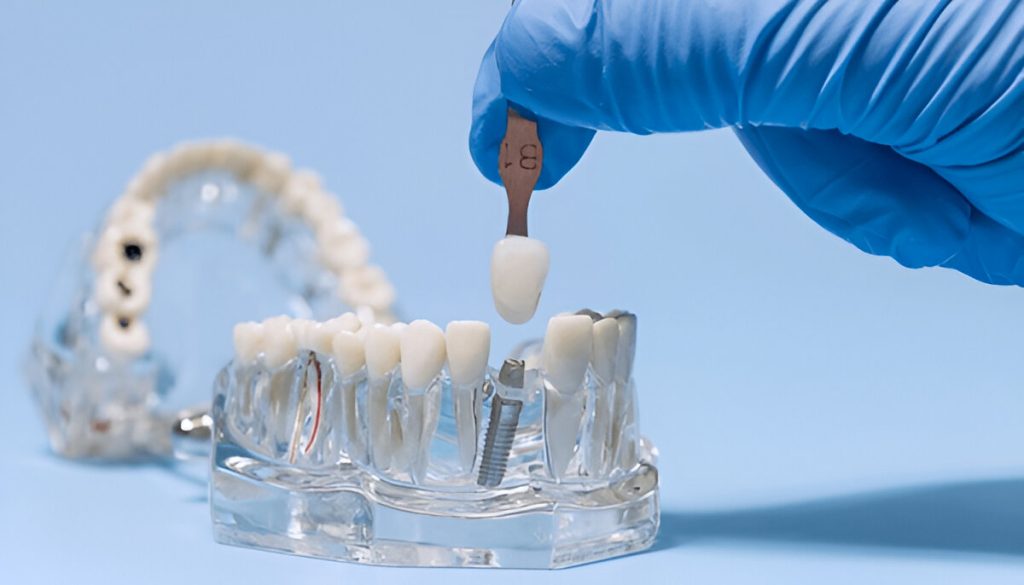
Missing teeth can make everyday life harder chewing becomes uncomfortable, your smile feels incomplete, and confidence often takes a hit. Traditional dental implants are one of the most reliable solutions, but many people hesitate because of the cost or complexity of treatment. That’s where mini dental implants come in. At Aveley Dental, we’re often asked if they are a practical alternative to conventional implants. This article will explain what they are, who they help, their benefits and drawbacks, and answer common questions so you can decide if dental implants in Aveley are right for you. What Are Mini Dental Implants? Mini dental implants are a smaller, less invasive version of traditional implants. While standard implants use a titanium screw about 3.5–6 mm in diameter, mini implants are usually under 3 mm. They work much the same way: In short, they provide stability for replacement teeth without the same level of surgical complexity as full implants. Why Mini Dental Implants Matter Mini implants matter because they give patients options. Not everyone can (or wants to) go through a full implant procedure. Common situations where mini implants can help include: In Aveley and beyond, these implants allow more people to regain confidence in their smile without undergoing extensive surgery. Key Questions About Mini Dental Implants 1. How do mini implants compare to traditional implants? Traditional implants are stronger and often last longer, but mini implants are quicker to place and require less bone support. For some patients, mini implants are a good “middle ground.” 2. How long do mini dental implants last? With good oral hygiene and regular checkups at your dentist in Aveley, mini implants can last several years sometimes even over a decade. They may not last as long as full implants, but they are durable when well cared for. 3. Are mini implants painful to get? Most patients report minimal discomfort. Because the procedure is less invasive, recovery is typically faster than with traditional implants. Local anesthesia is usually all that’s needed. 4. How much do mini dental implants cost in Aveley? Costs vary depending on how many teeth are being replaced and the clinic you choose. Generally, mini implants cost less than full implants, making them an attractive option for patients on a budget. 5. Can anyone get mini implants? Not always. Patients with very low bone density, active gum disease, or severe grinding issues may not be good candidates. A consultation with a trusted Aveley dentist is the best way to find out. Common Misconceptions About Mini Implants Tips and Best Practices for Mini Dental Implants FAQ: Mini Dental Implants in Aveley Q1. How soon can I eat after getting mini implants?Most patients can eat soft foods within 24–48 hours, gradually returning to normal foods as healing progresses. Q2. Do mini implants require bone grafting?Usually not. Their smaller size means they can be placed in areas with less bone, making them suitable for patients who want to avoid grafting. Q3. Can mini implants replace molars?They are better suited for front teeth or stabilizing dentures. For molars that take heavy chewing force, traditional implants may be recommended. Q4. Will insurance cover mini dental implants?Coverage varies. Some plans partially cover implants, while others classify them as elective. It’s best to check with your provider. Q5. How long is the procedure?Many mini implant placements can be completed in a single visit, with patients resuming normal activities quickly. Are Mini Dental Implants Right for You? Mini dental implants are a practical, affordable solution for many patients who want to restore their smile without the cost and recovery time of traditional implants. While they may not be perfect for everyone, they offer comfort, stability, and renewed confidence. At Aveley Dental, we’re here to guide you through your options for dental implants in Aveley from mini implants to full restorations. Ready to explore whether mini implants are right for you? Contact Aveley Dental today or visit our website https://www.aveleydental.com.au/ to book your consultation. Read More: 10 Common Dental Problems in Kids and How a Kids Dentist Can Help
Pediatric Dentistry

10 Common Dental Problems in Kids and How a Kids Dentist Can Help
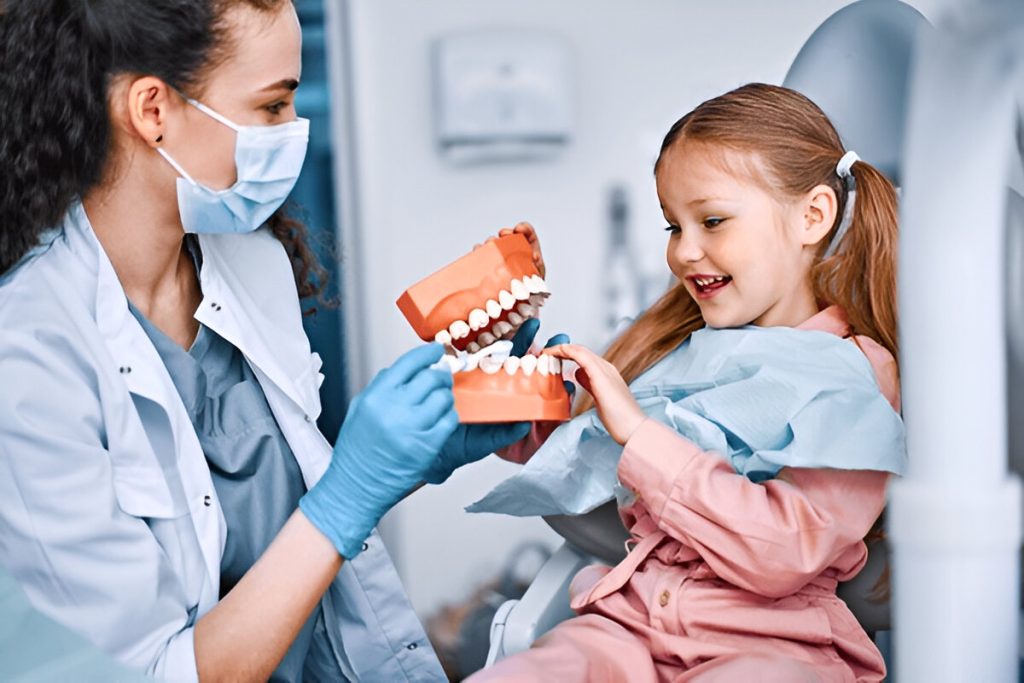
Every parent wants their child to grow up with a bright, healthy smile. But childhood often comes with dental challenges ranging from cavities to thumb-sucking habits. If left unaddressed, small issues can turn into bigger problems that affect your child’s comfort, confidence, and oral health. That’s why getting to a kids dentist in Aveley is so important. In this guide, we’ll explore the most common dental issues children face, why they happen, and how a trusted children’s dentist can help prevent and treat them. What Is a Kids Dentist in Aveley? A kids dentist, also known as a pediatric dentist, is a dental professional who specializes in treating infants, children, and teenagers. Unlike general dentists, they focus on the unique needs of growing smiles from baby teeth to the transition into permanent teeth. At Aveley Dental, our kids dentists create a safe, welcoming environment where children feel at ease. This helps build healthy habits early on and ensures little ones don’t develop dental anxiety later in life. Why It Matters and Who It Helps Visiting a children’s dentist is about much more than just fixing cavities. Here’s why it’s important: Who benefits most? Key Dental Problems Kids Face (and How a Kids Dentist in Aveley Can Help) 1. Cavities and Tooth Decay Sugary snacks, juice, and inconsistent brushing can lead to cavities the most common childhood dental issue. A kids dentist can provide fluoride treatments, sealants, and fillings to protect young teeth. 2. Thumb Sucking or Pacifier Use While normal in infants, these habits can cause misaligned teeth if they continue too long. A dentist can suggest gentle strategies to help your child stop. 3. Early Tooth Loss Sometimes baby teeth fall out too soon due to decay or injury. A pediatric dentist may recommend space maintainers so permanent teeth grow properly. 4. Gum Problems Kids can develop gingivitis (early gum disease) if they don’t brush well. Dentists teach correct brushing techniques and encourage healthy routines. 5. Dental Injuries Falls, sports, or playground accidents can chip or knock out teeth. A local dentist in Aveley can provide emergency care to save the tooth or repair damage. 6. Overcrowding and Alignment Issues As adult teeth come in, some kids experience crowding. A kids dentist will monitor jaw growth and may refer for orthodontics if needed. 7. Bad Breath (Halitosis) Often linked to poor oral hygiene or infections, bad breath can be addressed with proper cleaning routines and professional advice. 8. Teeth Grinding (Bruxism) Some children grind their teeth at night. Dentists can recommend mouthguards or behavior changes to protect enamel. 9. Stained Teeth Whether from food, medication, or poor cleaning, discoloration is common. Pediatric dentists provide safe, age-appropriate cleaning methods. 10. Anxiety About the Dentist Fear of dental visits can prevent care. A children’s dentist in Aveley uses kid-friendly language, calm approaches, and fun distractions to ease worries. Common Misconceptions About Kids’ Dental Care Tips for Parents: Best Practices for Healthy Smiles FAQ Section 1. When should my child first visit a kids dentist in Aveley? Ideally by age one, or when their first tooth appears. Early visits help prevent problems. 2. How often should kids see the dentist? Every six months is standard, but some children may need more frequent visits depending on their oral health. 3. What if my child is scared of the dentist? Children’s dentists are trained to make visits fun and stress-free using gentle language and engaging techniques. 4. Can baby teeth really get cavities? Yes! Even though they eventually fall out, cavities can cause pain, infection, and affect permanent teeth. 5. Is fluoride safe for kids? Yes, when used appropriately. Dentists use safe levels to strengthen enamel and prevent decay. Give Your Child the Best Start with a Kids Dentist in Aveley Children’s dental health sets the foundation for a lifetime of strong, confident smiles. By recognizing common issues early and visiting a kids dentist in Aveley, you can protect your child’s teeth and give them positive experiences at the dentist. At Aveley Dental, our friendly team is here to support families every step of the way. Whether it’s your child’s first check-up or treatment for a dental concern, we’ll make sure their smile stays healthy and bright. Ready to book your child’s appointment? Visit https://www.aveleydental.com.au/ or Contact Aveley Dental today to schedule a visit with our trusted children’s dentist in Aveley. Read More: Top Denture-Friendly Foods and a Guide to Making Mealtime Easier

custom mouth guards

How a Custom Fit Mouth Guard Can Improve Your Sleep Quality

The Importance of Quality Sleep We all know how vital a good night’s sleep is for our health and well-being. Poor sleep can lead to fatigue, irritability, and even long-term health issues. While many people look to lifestyle changes or sleep aids to improve rest, one solution is often overlooked—your dentist. At Aveley Dental, we understand that sometimes the key to better sleep lies in a custom solution: a custom-fit mouth guard. If you live in Ellenbrook or the surrounding areas, exploring options like custom mouth guards in Ellenbrook could be the first step toward more restful nights and healthier mornings. How a Custom Mouth Guard Works A mouth guard is a dental device designed to fit comfortably over your teeth, creating a protective barrier while you sleep. Unlike store-bought versions, which are often bulky and ill-fitting, a custom mouth guard is tailored specifically to your mouth, ensuring maximum comfort and effectiveness. At Aveley Dental, we use advanced dental techniques to create guards that address your unique needs, whether you’re dealing with teeth grinding (bruxism), jaw clenching, or sleep-related breathing issues. Here’s how a custom mouth guard can improve your sleep: The Process of Getting a Custom Fit At Aveley Dental, your comfort and care are our priority. When you visit a dentist in Ellenbrook for a custom mouth guard, the process is simple: This personalized approach ensures you receive a mouth guard that not only protects your teeth but also enhances your overall sleep quality. Why Choose Aveley Dental? As a trusted provider of sleep dentistry in Ellenbrook, Aveley Dental offers more than just dental check-ups. Our experienced team understands the link between oral health and sleep, and we’re committed to providing solutions that go beyond the basics. Whether you need a mouthguard for teeth grinding, a sleep dentistry consultation, or general dental care, our clinic is here to help. We pride ourselves on offering compassionate, patient-focused care in a friendly and welcoming environment. FAQs About Custom Mouth Guards 1. Are custom mouth guards really better than store-bought ones? Yes. Over-the-counter guards are often one-size-fits-all, which can make them uncomfortable and less effective. Custom mouth guards are designed specifically for your teeth and jaw, ensuring superior protection and comfort. 2. How long does a custom mouth guard last? With proper care, a custom mouth guard can last several years. We’ll provide guidance on maintenance during your visit to Aveley Dental. 3. How do I clean my mouth guard? Rinse it with cool water after each use and brush it gently with a soft toothbrush. Store it in a ventilated case to keep it dry and hygienic. 4. Can a mouth guard help with snoring? In many cases, yes. By repositioning the jaw to keep the airway open, some guards can reduce snoring and improve breathing during sleep. 5. Do I need to see a dentist in Ellenbrook for a mouth guard? Absolutely. Only a qualified dentist can create a mouth guard that is tailored to your unique needs and ensures lasting comfort and effectiveness. Sleep Better with Aveley Dental A good night’s sleep doesn’t just affect your energy levels—it impacts your overall health, mood, and quality of life. With a custom mouth guard from Aveley Dental, you can reduce teeth grinding, improve your breathing, and finally enjoy the deep, restful sleep you deserve. If you’re searching for custom mouth guards in Ellenbrook, or would like to explore sleep dentistry in Ellenbrook, our friendly team is here to help. Contact Aveley Dental today to book a consultation and take the first step toward healthier sleep and a brighter tomorrow.

Dentures Ellenbrook
dentures

Top Denture-Friendly Foods and a Guide to Making Mealtime Easier

For the majority of individuals, adapting to life with dentures feels like an enormous lifestyle change, particularly when it comes to eating. Selecting the appropriate foods to fit dentures goes beyond comfort; it encompasses nourishing one’s self, upholding good nutrition, and safeguarding oral health. Optimally, mealtimes can be made easier and more enjoyable without worry. This guide functions to help dentures in Ellenbrook residents who are considering or already wearing dentures and highlights effective strategies to streamline mealtimes. Gentle Foods and Soft Textured Foods Maintaining a good diet while wearing dentures is crucial. The goals here are achieving a balanced diet while also keeping the nutrition of the food soft, easy to chew, and easy to bite into. The best suggestions include: Strategies To Simplify Dinnertime With Dentures Mouth full of dentures does not necessarily mean a stressful meal. With a little thought and preparation, eating becomes far more pleasant than a tedious challenge. If the discomfort persists, then it is wise to consult your dentist in Ellenbrook at Aveley Dental to check if your dentures require a fitting adjustment. FAQs About Eating with Dentures Conclusion Having dentures does not mean you have to forgo the pleasure of eating. It is still possible to maintain a well-balanced and satisfying diet by opting for denture-friendly foods, modifying some preparation methods, and simplifying the eating process. Soft fruits, steamed vegetables, nourishing proteins, and nutrient-packed smoothies offer a variety of delicious choices. The friendly staff at Aveley Dental is ready to assist you with any concerns or discomfort you may have while eating with dentures in Ellenbrook. Book an appointment with your dentist in Ellenbrook and receive personalized recommendations and refinements so your dentures work with, not against, your health and lifestyle.

Custom mouth guard
General Dentistry

Is a Dentist-Made Mouth Guard Worth It Compared to Over-the-Counter Options?

When it comes to protecting your teeth, whether from grinding (bruxism), sports injuries, or sleep apnea, a mouth guard can be a game-changer. However, choosing between a dentist-made mouth guard and an over-the-counter (OTC) version often confuses many people. While OTC options may seem convenient and cost-effective initially, there’s much more to consider in terms of comfort, durability, and effectiveness. In this blog post, we’ll break down the key differences between custom-made mouth guards and store-bought options to help you make an informed decision. Understanding Over-the-Counter Mouth Guards Over-the-counter mouth guards are readily available at pharmacies, sports stores, and online. These are typically one-size-fits-all or “boil-and-bite” versions that you can mold at home by softening the guard in hot water and biting into it. While these mouth guards are budget-friendly and easily accessible, they come with several limitations. Their generic fit can lead to discomfort, and in many cases, they offer minimal protection due to improper alignment or loose fitting. These guards are often made from low-quality materials that may wear down quickly or fail to provide the necessary support for your teeth and jaw. The Advantages of a Dentist-Made Mouth Guard A custom-fit mouth guard in Ellenbrook is designed specifically for your teeth using precise dental impressions taken by your dentist. These guards are typically crafted from durable materials and tailored to address your unique dental structure and oral health concerns. The benefits of choosing a dentist-made mouth guard include: If you’re looking for enhanced dental protection and comfort, visiting a general dentistry clinic in Ellenbrook for a professionally made mouth guard is highly recommended. Cost Comparison: Dentist-Made vs. Store-Bought One of the main reasons people opt for OTC mouth guards is the cost. While dentist-made mouth guards can range from $200 to $600 or more, OTC options usually fall under $50. However, when you consider longevity, comfort, and protection, a custom-fitted mouth guard often provides more value over time. Additionally, many dental insurance plans cover part or all of the cost for a mouth guard prescribed for medical reasons, such as bruxism or sleep apnea. It’s worth checking with your insurance provider and consulting your local dentist for an estimate. Long-Term Oral Health Impacts Wearing an improperly fitted OTC mouth guard can lead to a range of oral health issues, including: On the other hand, a dentist-made mouth guard aligns with your dental structure and is designed to maintain your oral health over time. If you care about the long-term health of your teeth and jaw, a professionally designed solution is usually the smarter route. A Dental Clinic near Ellenbrook can assess your needs and guide you through the process of getting a custom mouth guard that suits your lifestyle and dental requirements. When Should You Choose a Dentist-Made Mouth Guard? Here are a few situations where opting for a dentist-made mouth guard is the better option: Frequently Asked Questions (FAQs) Q1: How long does a custom-made mouth guard last?A: With proper care, a dentist-made mouth guard can last anywhere from 3 to 5 years, significantly longer than most OTC options. Q2: Can children use custom mouth guards?A: Absolutely. Custom mouth guards are often recommended for children who play sports or grind their teeth. As their mouths grow, regular adjustments may be needed. Q3: Are custom mouth guards covered by insurance?A: Many insurance plans offer partial or full coverage for mouth guards when prescribed for medical reasons. Check with your provider for specifics. Q4: How do I clean a dentist-made mouth guard?A: Rinse it after every use, brush it gently with a toothbrush (no toothpaste), and store it in a ventilated container. Your dentist can also provide special cleaning solutions. Q5: What material is used in dentist-made mouth guards?A: They are typically made from durable, medical-grade thermoplastic materials that offer both comfort and protection. Final Thoughts: Is It Worth It? When you weigh the pros and cons, it’s clear that a dentist-made mouth guard offers superior protection, comfort, and longevity compared to over-the-counter versions. Although the upfront cost may be higher, the long-term benefits for your oral health make it a worthwhile investment. If you’re experiencing issues with your current mouth guard or are considering getting one for the first time, don’t settle for less. Ready to protect your smile with a custom-fit mouth guard? Visit our general dentistry clinic in Ellenbrook to get personalized care and expert recommendations. Book your appointment today with a trusted Dental Clinic near Ellenbrook and experience the difference a professionally made mouth guard can make for your comfort and oral health. Read more: What Are the Signs You Might Need a Custom Mouth Guard?

Pediatric Dentistry

Are Baby Teeth Really That Important? A Pediatric Dentist Explains

Many parents often ask, “Do baby teeth really matter if they’re just going to fall out anyway?” It’s a common question—and a valid one. After all, baby teeth are temporary. But here’s the truth: baby teeth play a critical role in a child’s development and long-term oral health. In this blog, a pediatric dentist dives into why baby teeth are far more important than many people realize, and what parents need to know to keep their child’s smile healthy from the start. The Role of Baby Teeth in Childhood Development Baby teeth, also called primary teeth, typically begin to emerge around six months of age and continue to come in until about age three. These teeth are vital for more than just chewing—they aid in speech development, guide the growth of permanent teeth, and help build a child’s self-esteem with a confident smile. Many parents who visit a children’s dentist in Ellenbrook are surprised to learn how much baby teeth impact adult oral health. Neglecting baby teeth can lead to infections, premature tooth loss, and even orthodontic issues later in life. Regular dental visits help detect problems early and set the foundation for a lifetime of healthy habits. Why Caring for Baby Teeth is Crucial Baby teeth are susceptible to decay just like adult teeth. In fact, early childhood cavities (also called “baby bottle tooth decay”) are one of the most common chronic diseases in children. This kind of decay can cause pain, infection, and difficulty eating or speaking. It may even affect a child’s ability to concentrate in school due to discomfort or embarrassment. It’s not uncommon for parents to seek Ellenbrook emergency dentistry when their child experiences sudden pain or injury related to baby teeth. But many of these emergencies are preventable with early and consistent dental care. Teaching kids proper brushing and flossing techniques, limiting sugary snacks and drinks, and scheduling routine checkups are essential steps in prevention. The Link Between Baby Teeth and Adult Teeth One of the lesser-known facts about baby teeth is their role in guiding permanent teeth into place. Each primary tooth holds space in the jaw for the adult tooth that will eventually replace it. If a baby tooth is lost too early—due to decay or trauma—the surrounding teeth may shift into that space, causing alignment issues and potentially leading to the need for braces. Parents who regularly visit an Ellenbrook dentist often find that their children require fewer orthodontic interventions later on. That’s because maintaining healthy baby teeth can minimize the risk of spacing problems and help permanent teeth come in properly aligned. Common Myths About Baby Teeth—Debunked! Myth #1: Baby teeth don’t need to be brushed.Truth: Baby teeth need just as much care as adult teeth. Start brushing as soon as the first tooth appears with a soft-bristled toothbrush and a smear of fluoride toothpaste. Myth #2: Cavities in baby teeth don’t matter.Truth: Cavities can lead to infections and pain, affecting a child’s overall health and development. Early dental care prevents these issues. Myth #3: Dental visits aren’t necessary until all baby teeth have come in.Truth: The Australian Dental Association recommends children see a dentist by their first birthday, or within six months of the first tooth appearing. Tips for Parents to Maintain Healthy Baby Teeth FAQs: Baby Teeth and Pediatric Dental Care Q1. At what age should I take my child to the dentist?A: Ideally, by the child’s first birthday or within six months of the first tooth coming in. Q2. What should I do if my child chips or knocks out a baby tooth?A: Contact your local Ellenbrook emergency dentistry clinic immediately. A dentist will assess whether urgent treatment is needed. Q3. Can cavities in baby teeth affect adult teeth?A: Yes. Cavities can spread infection to underlying permanent teeth or disrupt their proper development. Q4. Are dental X-rays safe for children?A: Yes. Pediatric dentists use low-radiation X-rays and only when necessary to evaluate the growth and condition of the teeth. Q5. How do I prepare my child for their first dental visit?A: Read children’s books about the dentist, role-play dental checkups at home, and stay positive to ease any anxiety. Conclusion: Don’t Underestimate the Importance of Baby Teeth Although temporary, baby teeth are essential for your child’s overall health, development, and confidence. Early and consistent dental care can prevent costly and painful issues down the road. Whether it’s your child’s first visit or a dental emergency, don’t wait until problems arise—proactive care makes all the difference. If you’re looking for a trusted Ellenbrook dentist who understands your child’s needs, we’re here to help. Our pediatric dental team offers gentle, friendly, and comprehensive care for kids of all ages. Schedule your child’s appointment today and give their smile the healthy start it deserves! Read more: What Are the Different Types of Dental Implants?

Dental Implants

What Are the Different Types of Dental Implants?

Dental implants have revolutionized the way we restore missing teeth, offering a long-term, natural-looking solution for individuals who have lost teeth due to injury, decay, or disease. Unlike dentures or bridges, dental implants provide unparalleled support and stability by fusing directly with the jawbone. But did you know that there are different types of dental implants available depending on your individual needs? In this blog, we’ll explore the main types of dental implants, their benefits, and who they are best suited for. Understanding Dental Implants Dental implants consist of three main components: the implant post (which acts like the tooth root), the abutment (which connects the implant to the crown), and the dental crown (the visible part that mimics a natural tooth). These components work together to restore full function and aesthetics to your smile. If you’re considering dental implants in Brabham, it’s essential to understand the various types available to determine the best option for your oral health and lifestyle. 1. Endosteal Implants Endosteal implants are the most commonly used type of dental implant. These implants are surgically inserted directly into the jawbone and serve as a sturdy base for one or more prosthetic teeth. Typically made of titanium, endosteal implants are ideal for patients with sufficient bone density and healthy gum tissue. Best for: Patients with healthy jawbones and those seeking a permanent solution to replace one or multiple teeth. Benefits: 2. Subperiosteal Implants Subperiosteal implants are an alternative to endosteal implants for patients who may not have enough healthy jawbone and are not candidates for bone grafting. Instead of being placed into the bone, subperiosteal implants rest on top of the jawbone but underneath the gum tissue. A metal frame is used to support the implant and hold the prosthetic teeth in place. Best for: Patients with inadequate jawbone height or volume who prefer not to undergo bone augmentation. Benefits: 3. Zygomatic Implants Zygomatic implants are the least common and most complex type. These implants are used when a patient lacks sufficient upper jawbone for traditional implants and bone grafting is not an option. Instead of being anchored in the jawbone, zygomatic implants are anchored in the cheekbone (zygoma). Best for: Patients with severe bone loss in the upper jaw Benefits: If you’re exploring these advanced options, working with a skilled dentist in Bullsbrook who has experience with zygomatic and other specialized implants is crucial for a successful outcome. 4. All-on-4 Dental Implants All-on-4 is a revolutionary dental implant technique that allows a full arch of teeth to be supported by just four implants. This option is ideal for individuals who are missing most or all of their teeth in either the upper or lower jaw. Best for: Patients who need full-arch restoration without multiple implants Benefits: 5. Mini Dental Implants Mini dental implants (MDIs) are smaller and narrower than traditional implants. They are often used in patients who do not have enough bone for conventional implants and don’t want to undergo bone grafting. MDIs are typically used to stabilize lower dentures and require less healing time. Best for: Patients with small teeth, limited bone structure, or denture stabilization Benefits: Choosing the Right Type of Dental Implant The ideal type of dental implant for you will depend on several factors, including: A professional dental consultation with a skilled implant dentist is necessary to determine the best treatment plan tailored to your unique situation. Frequently Asked Questions (FAQs) 1. Are dental implants safe?Yes, dental implants are a safe and well-established treatment with a high success rate when performed by experienced professionals. 2. How long do dental implants last?With proper care, dental implants can last 20 years or more—often a lifetime. 3. Is the dental implant procedure painful?The procedure is performed under local anesthesia or sedation, so most patients experience minimal discomfort. Some soreness is expected post-surgery, but it’s typically manageable. 4. Can I get dental implants if I have gum disease?Gum disease needs to be treated and managed before implant placement. Your dentist will evaluate your oral health to determine your eligibility. 5. How much do dental implants cost?Costs vary based on the type of implant and the complexity of your case. Your dentist will provide a detailed cost breakdown during your consultation. Final Thoughts Dental implants offer a highly effective solution for replacing missing teeth, improving both function and aesthetics. Whether you need a single tooth replacement or a full-mouth restoration, there is a dental implant option to suit your needs. Understanding the types of dental implants—from endosteal and subperiosteal to advanced solutions like zygomatic and All-on-4—can help you make an informed decision about your oral health. Ready to Transform Your Smile? If you’re ready to explore your options with dental implants, book your appointment today with our expert dental team. We’ll guide you through every step of the process, from consultation to aftercare, ensuring you receive the highest quality of care. Also read: What Are the Signs You Might Need a Custom Mouth Guard?

General Dentistry

What Are the Signs You Might Need a Custom Mouth Guard?

Mouth guards aren’t just for professional athletes or people with braces. These small, protective devices can make a significant difference in preserving your oral health, especially if you grind your teeth at night, suffer from jaw pain, or play contact sports. A custom mouth guard provides a tailored fit, better comfort, and superior protection compared to over-the-counter options. If you’re wondering whether it’s time to consider a custom mouth guard in Ellenbrook, this guide will walk you through the key signs to watch for and explain how this simple dental device can safeguard your teeth, gums, and jaw. 1. You Wake Up With Jaw Pain or Headaches One of the most common reasons for needing a custom mouth guard is bruxism—the involuntary grinding or clenching of teeth, especially during sleep. If you frequently wake up with jaw soreness, tightness, or unexplained headaches, this could be a sign that you grind your teeth at night. Over time, bruxism can cause severe enamel wear, tooth fractures, and even temporomandibular joint (TMJ) disorders. A custom mouth guard acts as a cushion between your upper and lower teeth, preventing them from grinding against each other and reducing pressure on your jaw joints. 2. You Notice Wear and Tear on Your Teeth Excessive tooth wear—such as flattened chewing surfaces, chipped enamel, or small cracks—could be another red flag. Even if you’re unaware that you grind your teeth, your dentist may notice signs of damage during a routine check-up. If left untreated, this kind of wear can lead to heightened tooth sensitivity and increase your risk of cavities or root canal treatments. A custom mouth guard Ellenbrook solution can be molded precisely to your teeth and bite, offering optimal protection while minimizing discomfort. 3. You Participate in Contact Sports or Recreational Activities Mouth guards aren’t just for nighttime use. If you play contact sports like football, hockey, boxing, or martial arts, wearing a mouth guard is essential to prevent dental injuries. Even non-contact activities such as skateboarding, mountain biking, or gymnastics carry a risk of falls and impacts that can damage your teeth or jaw. While store-bought guards are available, a custom-fit mouth guard offers a snugger fit and allows for better breathing and communication during physical activity—making it a better choice for athletes at all levels. 4. You Have TMJ Disorder or Jaw Clicking Temporomandibular joint (TMJ) disorders can cause pain, stiffness, clicking sounds, and difficulty opening your mouth. If you experience any of these symptoms, a custom mouth guard could help relieve pressure and align your jaw more comfortably while you sleep. In many cases, TMJ pain is worsened by clenching or grinding, so managing these habits with a mouth guard can be an effective part of your treatment plan. Your dentist in Bullsbrook can assess your symptoms and recommend whether a mouth guard or other therapy is right for you. 5. You Wear Braces or Have Dental Implants Orthodontic work, dental crowns, bridges, or implants need extra protection, especially if you’re prone to grinding or play sports. A custom mouth guard can be made to accommodate your dental work, offering both protection and comfort. Generic guards may not fit properly and can even shift your braces or irritate the gums. That’s why a professionally made mouth guard is the preferred option for people undergoing orthodontic treatment or who have invested in restorative dental care. 6. You Snore or Suffer From Mild Sleep Apnea Some custom mouth guards are designed to address sleep-related breathing disorders. These special devices help keep the airway open by repositioning the jaw or tongue slightly during sleep. While not suitable for all cases of sleep apnea, they can be highly effective for mild to moderate forms of the condition. If you or your partner notice loud snoring, choking, or gasping during sleep, talk to your dentist about whether a night guard or oral appliance therapy might help improve your sleep and reduce your symptoms. FAQs About Custom Mouth Guards Q: How is a custom mouth guard made?A: Your dentist will take an impression of your teeth to create a mold. This is sent to a dental lab where your mouth guard is fabricated for a perfect fit. Q: How long do custom mouth guards last?A: With proper care, a custom mouth guard can last anywhere from 1 to 5 years. However, it’s important to have it checked regularly for signs of wear or damage. Q: Can children get custom mouth guards?A: Yes! Custom guards are great for kids who play sports or grind their teeth. Since children’s mouths are still growing, they may need a new guard more frequently. Q: What’s the difference between a store-bought and a custom mouth guard?A: Store-bought guards are one-size-fits-all and often bulky or uncomfortable. Custom guards are specifically designed to fit your teeth, offering better comfort, protection, and effectiveness. Q: How do I clean my mouth guard?A: Rinse it after each use, brush it gently with a toothbrush, and store it in a ventilated case. Avoid exposing it to hot water or leaving it in direct sunlight. Conclusion If you’ve noticed any of the signs listed above, it may be time to explore your options for a professionally made mouth guard. Whether you’re dealing with teeth grinding, jaw pain, or need extra protection during sports, a custom mouth guard can be a game-changer for your oral health. Don’t wait until the damage is done—book your appointment today with our experienced dental team. We’re here to guide you through the process and create a mouth guard tailored to your specific needs. Protect your smile now—schedule a consultation with your trusted dentist! Also read: When to Consider a Denture Reline or Adjustment?

Scroll to Top