Pediatric Dentistry

Pediatric Dentistry

10 Common Dental Problems in Kids and How a Kids Dentist Can Help

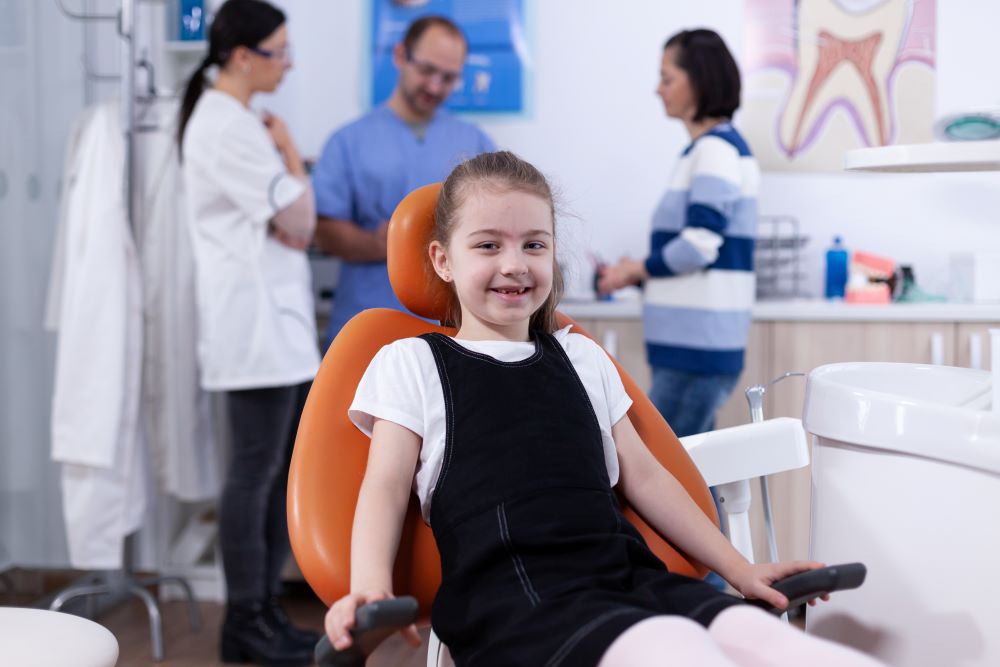
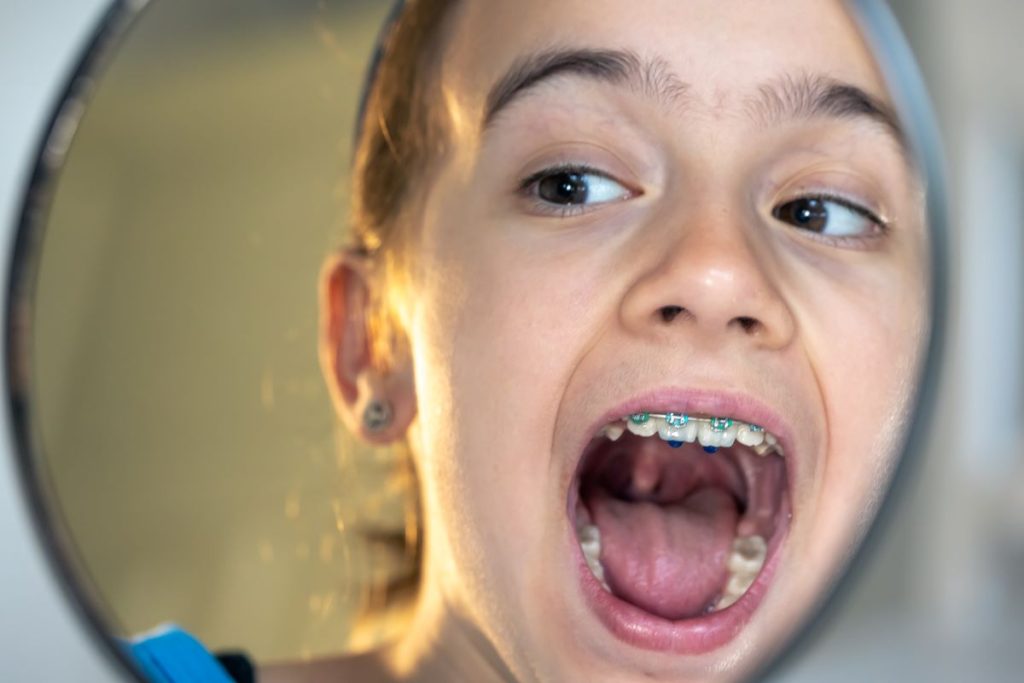
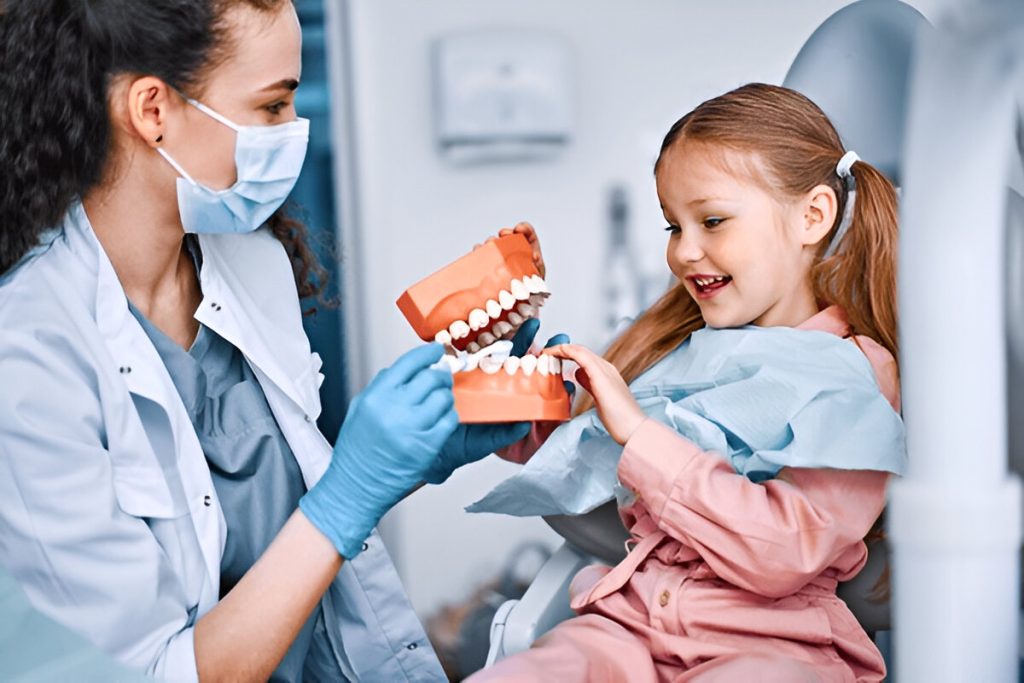
Every parent wants their child to grow up with a bright, healthy smile. But childhood often comes with dental challenges ranging from cavities to thumb-sucking habits. If left unaddressed, small issues can turn into bigger problems that affect your child’s comfort, confidence, and oral health. That’s why getting to a kids dentist in Aveley is so important. In this guide, we’ll explore the most common dental issues children face, why they happen, and how a trusted children’s dentist can help prevent and treat them. What Is a Kids Dentist in Aveley? A kids dentist, also known as a pediatric dentist, is a dental professional who specializes in treating infants, children, and teenagers. Unlike general dentists, they focus on the unique needs of growing smiles from baby teeth to the transition into permanent teeth. At Aveley Dental, our kids dentists create a safe, welcoming environment where children feel at ease. This helps build healthy habits early on and ensures little ones don’t develop dental anxiety later in life. Why It Matters and Who It Helps Visiting a children’s dentist is about much more than just fixing cavities. Here’s why it’s important: Who benefits most? Key Dental Problems Kids Face (and How a Kids Dentist in Aveley Can Help) 1. Cavities and Tooth Decay Sugary snacks, juice, and inconsistent brushing can lead to cavities the most common childhood dental issue. A kids dentist can provide fluoride treatments, sealants, and fillings to protect young teeth. 2. Thumb Sucking or Pacifier Use While normal in infants, these habits can cause misaligned teeth if they continue too long. A dentist can suggest gentle strategies to help your child stop. 3. Early Tooth Loss Sometimes baby teeth fall out too soon due to decay or injury. A pediatric dentist may recommend space maintainers so permanent teeth grow properly. 4. Gum Problems Kids can develop gingivitis (early gum disease) if they don’t brush well. Dentists teach correct brushing techniques and encourage healthy routines. 5. Dental Injuries Falls, sports, or playground accidents can chip or knock out teeth. A local dentist in Aveley can provide emergency care to save the tooth or repair damage. 6. Overcrowding and Alignment Issues As adult teeth come in, some kids experience crowding. A kids dentist will monitor jaw growth and may refer for orthodontics if needed. 7. Bad Breath (Halitosis) Often linked to poor oral hygiene or infections, bad breath can be addressed with proper cleaning routines and professional advice. 8. Teeth Grinding (Bruxism) Some children grind their teeth at night. Dentists can recommend mouthguards or behavior changes to protect enamel. 9. Stained Teeth Whether from food, medication, or poor cleaning, discoloration is common. Pediatric dentists provide safe, age-appropriate cleaning methods. 10. Anxiety About the Dentist Fear of dental visits can prevent care. A children’s dentist in Aveley uses kid-friendly language, calm approaches, and fun distractions to ease worries. Common Misconceptions About Kids’ Dental Care Tips for Parents: Best Practices for Healthy Smiles FAQ Section 1. When should my child first visit a kids dentist in Aveley? Ideally by age one, or when their first tooth appears. Early visits help prevent problems. 2. How often should kids see the dentist? Every six months is standard, but some children may need more frequent visits depending on their oral health. 3. What if my child is scared of the dentist? Children’s dentists are trained to make visits fun and stress-free using gentle language and engaging techniques. 4. Can baby teeth really get cavities? Yes! Even though they eventually fall out, cavities can cause pain, infection, and affect permanent teeth. 5. Is fluoride safe for kids? Yes, when used appropriately. Dentists use safe levels to strengthen enamel and prevent decay. Give Your Child the Best Start with a Kids Dentist in Aveley Children’s dental health sets the foundation for a lifetime of strong, confident smiles. By recognizing common issues early and visiting a kids dentist in Aveley, you can protect your child’s teeth and give them positive experiences at the dentist. At Aveley Dental, our friendly team is here to support families every step of the way. Whether it’s your child’s first check-up or treatment for a dental concern, we’ll make sure their smile stays healthy and bright. Ready to book your child’s appointment? Visit https://www.aveleydental.com.au/ or Contact Aveley Dental today to schedule a visit with our trusted children’s dentist in Aveley. Read More: Top Denture-Friendly Foods and a Guide to Making Mealtime Easier
Pediatric Dentistry

Are Baby Teeth Really That Important? A Pediatric Dentist Explains

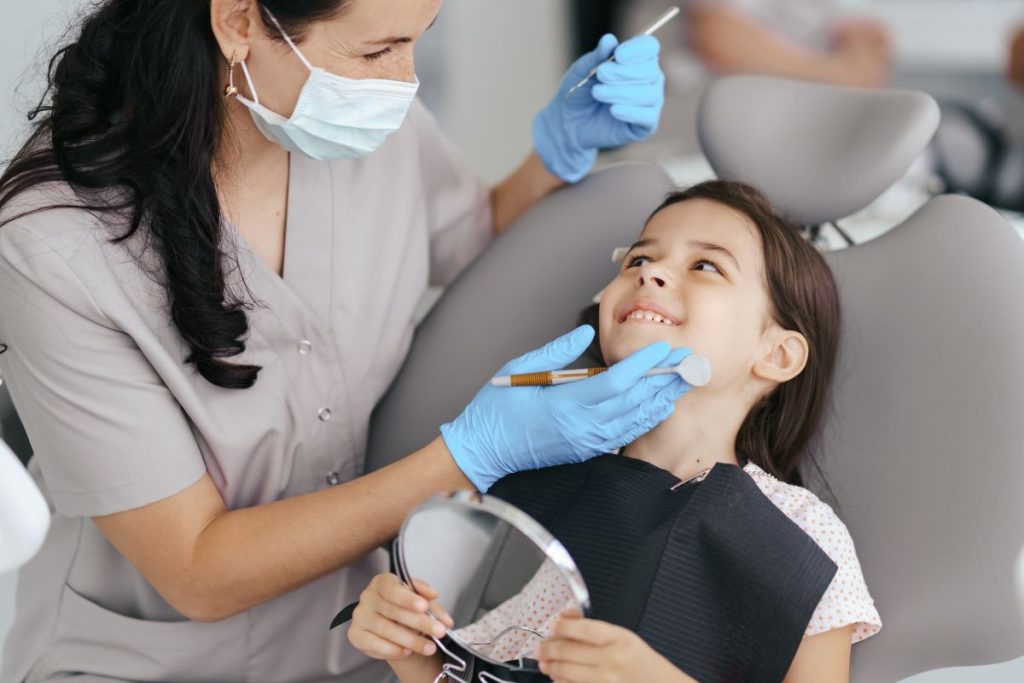
Many parents often ask, “Do baby teeth really matter if they’re just going to fall out anyway?” It’s a common question—and a valid one. After all, baby teeth are temporary. But here’s the truth: baby teeth play a critical role in a child’s development and long-term oral health. In this blog, a pediatric dentist dives into why baby teeth are far more important than many people realize, and what parents need to know to keep their child’s smile healthy from the start. The Role of Baby Teeth in Childhood Development Baby teeth, also called primary teeth, typically begin to emerge around six months of age and continue to come in until about age three. These teeth are vital for more than just chewing—they aid in speech development, guide the growth of permanent teeth, and help build a child’s self-esteem with a confident smile. Many parents who visit a children’s dentist in Ellenbrook are surprised to learn how much baby teeth impact adult oral health. Neglecting baby teeth can lead to infections, premature tooth loss, and even orthodontic issues later in life. Regular dental visits help detect problems early and set the foundation for a lifetime of healthy habits. Why Caring for Baby Teeth is Crucial Baby teeth are susceptible to decay just like adult teeth. In fact, early childhood cavities (also called “baby bottle tooth decay”) are one of the most common chronic diseases in children. This kind of decay can cause pain, infection, and difficulty eating or speaking. It may even affect a child’s ability to concentrate in school due to discomfort or embarrassment. It’s not uncommon for parents to seek Ellenbrook emergency dentistry when their child experiences sudden pain or injury related to baby teeth. But many of these emergencies are preventable with early and consistent dental care. Teaching kids proper brushing and flossing techniques, limiting sugary snacks and drinks, and scheduling routine checkups are essential steps in prevention. The Link Between Baby Teeth and Adult Teeth One of the lesser-known facts about baby teeth is their role in guiding permanent teeth into place. Each primary tooth holds space in the jaw for the adult tooth that will eventually replace it. If a baby tooth is lost too early—due to decay or trauma—the surrounding teeth may shift into that space, causing alignment issues and potentially leading to the need for braces. Parents who regularly visit an Ellenbrook dentist often find that their children require fewer orthodontic interventions later on. That’s because maintaining healthy baby teeth can minimize the risk of spacing problems and help permanent teeth come in properly aligned. Common Myths About Baby Teeth—Debunked! Myth #1: Baby teeth don’t need to be brushed.Truth: Baby teeth need just as much care as adult teeth. Start brushing as soon as the first tooth appears with a soft-bristled toothbrush and a smear of fluoride toothpaste. Myth #2: Cavities in baby teeth don’t matter.Truth: Cavities can lead to infections and pain, affecting a child’s overall health and development. Early dental care prevents these issues. Myth #3: Dental visits aren’t necessary until all baby teeth have come in.Truth: The Australian Dental Association recommends children see a dentist by their first birthday, or within six months of the first tooth appearing. Tips for Parents to Maintain Healthy Baby Teeth FAQs: Baby Teeth and Pediatric Dental Care Q1. At what age should I take my child to the dentist?A: Ideally, by the child’s first birthday or within six months of the first tooth coming in. Q2. What should I do if my child chips or knocks out a baby tooth?A: Contact your local Ellenbrook emergency dentistry clinic immediately. A dentist will assess whether urgent treatment is needed. Q3. Can cavities in baby teeth affect adult teeth?A: Yes. Cavities can spread infection to underlying permanent teeth or disrupt their proper development. Q4. Are dental X-rays safe for children?A: Yes. Pediatric dentists use low-radiation X-rays and only when necessary to evaluate the growth and condition of the teeth. Q5. How do I prepare my child for their first dental visit?A: Read children’s books about the dentist, role-play dental checkups at home, and stay positive to ease any anxiety. Conclusion: Don’t Underestimate the Importance of Baby Teeth Although temporary, baby teeth are essential for your child’s overall health, development, and confidence. Early and consistent dental care can prevent costly and painful issues down the road. Whether it’s your child’s first visit or a dental emergency, don’t wait until problems arise—proactive care makes all the difference. If you’re looking for a trusted Ellenbrook dentist who understands your child’s needs, we’re here to help. Our pediatric dental team offers gentle, friendly, and comprehensive care for kids of all ages. Schedule your child’s appointment today and give their smile the healthy start it deserves! Read more: What Are the Different Types of Dental Implants?

Fluoride for Kids: Is It Safe and Necessary?
Pediatric Dentistry

Fluoride for Kids: Is It Safe and Necessary?

Fluoride has long been a topic of discussion in pediatric dentistry. While some parents swear by its benefits, others have concerns about its safety. As a crucial mineral for strengthening teeth and preventing cavities, fluoride is widely recommended by dental professionals. But is it truly safe and necessary for children? In this article, we’ll explore the role of fluoride in kids’ dental health, its benefits, and potential concerns. What Is Fluoride and How Does It Work? Fluoride is a naturally occurring mineral found in water, soil, and certain foods. It plays a significant role in preventing tooth decay by strengthening tooth enamel and making it more resistant to acid attacks from bacteria and sugary foods. Fluoride can be applied directly to the teeth through toothpaste, mouth rinses, and professional treatments provided by a kids dentist in Ellenbrook. Many local water supplies also contain fluoride to help prevent cavities on a larger scale. The Benefits of Fluoride for Kids Fluoride is essential for maintaining strong and healthy teeth in children. Here are some of its key benefits: Is Fluoride Safe for Kids? The American Dental Association (ADA) and the World Health Organization (WHO) consider fluoride safe and effective when used in recommended amounts. However, excessive fluoride exposure can lead to a condition called fluorosis, which may cause mild discoloration of the teeth. To prevent fluorosis, it’s essential to: Sources of Fluoride for Children Children can receive fluoride from various sources, including: Should You Opt for Fluoride Treatments? While fluoride toothpaste and water are often enough for many children, professional fluoride treatments can provide extra protection. Dentists may recommend fluoride varnishes or gels, particularly for kids with a high risk of cavities. These treatments are quick, painless, and safe. Conclusion Fluoride is both safe and necessary for children when used appropriately. It helps prevent cavities, strengthens teeth, and ensures long-term oral health. Parents should ensure their children get the right amount of fluoride through toothpaste, drinking water, and professional dental treatments. If you have concerns about fluoride or your child’s dental health, Schedule a visit with our trusted pediatric dentist in Ellenbrook for expert, personalized care. Book an appointment today!

Scroll to Top