
Sedation Dentistry

Drive After Sedation Dentistry - Recovery Tips
Sedation Dentistry

Can You Drive After Sedation Dentistry? Recovery Tips You Should Know

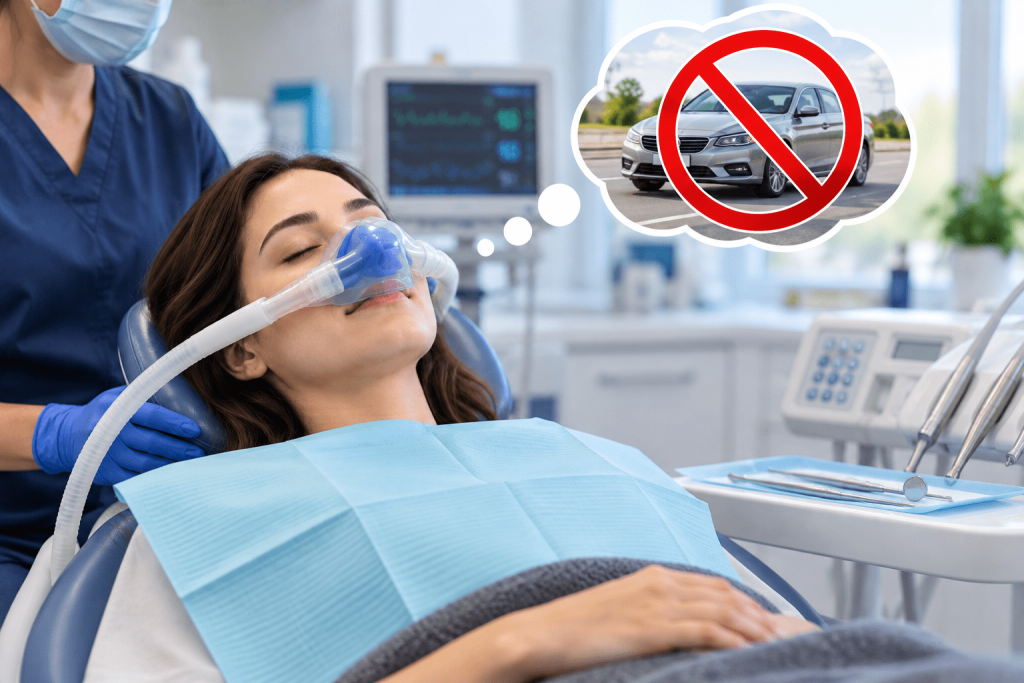
Dental sedation can make treatment more comfortable by helping patients feel calm and relaxed. However, the effects of sedation can continue after the dental appointment, even when we feel awake and able to communicate normally. For this reason, driving after dental sedation is generally not recommended until the effects of the medication have completely worn off and the dental team has confirmed that driving is safe. The appropriate recovery period depends on the sedation method, medication, dosage, treatment performed, and individual response. Understanding what to expect before arranging dental sedation can help us plan transportation, recovery time, and aftercare more safely. Can You Drive After Dental Sedation? In most cases, we should not drive immediately after dental sedation, particularly when oral or IV sedatives have been used. Sedation can temporarily affect alertness, concentration, coordination, reaction time, memory, and judgment. These abilities are essential for operating a vehicle safely. We may feel awake shortly after treatment while still experiencing residual effects from the medication. Feeling normal does not necessarily mean that our reflexes and decision-making abilities have fully returned to normal. The type of sedation used makes an important difference. Nitrous oxide sedation generally wears off much faster than oral or IV sedation, while deeper forms of sedation may require a longer period of supervision and recovery. Before leaving the dental practice, we should receive clear instructions about driving, transportation, eating, drinking, medications, physical activity, and other restrictions. When our dentist advises us not to drive, we should arrange another way to get home rather than relying on how alert we feel. How Long Should You Wait Before Driving After Sedation? There is no universal waiting period that applies to every patient or every form of dental sedation. The appropriate restriction depends on the medication used and the level of sedation achieved. 1. Nitrous Oxide Sedation Nitrous oxide, commonly called laughing gas, is inhaled through a small mask placed over the nose. It can produce a relaxed, calm feeling while allowing us to remain conscious and responsive. One advantage of nitrous oxide is that its effects generally decrease rapidly once the gas is stopped and we breathe normal oxygen. Dental professionals may provide oxygen at the end of treatment to help clear the nitrous oxide from the body. However, we should not automatically assume that we can drive after laughing gas. Our dentist should assess our condition and provide specific instructions based on the treatment and our response. If other sedating medications have also been used, the driving restrictions may be different. 2. Oral Sedation Oral sedation involves taking a prescribed sedative before or around the time of dental treatment. Depending on the medication and dosage, we may experience significant relaxation, sleepiness, impaired coordination, or reduced alertness. The effects of oral sedation can continue after we leave the practice. For this reason, patients receiving oral sedation commonly need a responsible adult to drive them home and remain available during the recovery period when instructed. We should never decide to drive simply because we feel more alert than expected. Sedative medications can continue affecting reaction time and judgment even after the strongest sensation of sleepiness has passed. 3. IV Sedation IV sedation delivers medication directly into a vein, allowing the dental team to adjust the level of sedation during treatment. Because IV sedation can produce significant relaxation and impaired alertness, additional post-treatment precautions are generally required. Patients receiving IV sedation should not drive themselves home. Transportation should be arranged before the appointment, and the dental practice will provide specific instructions regarding supervision and recovery. Why is Driving After Dental Sedation Unsafe? Driving requires continuous attention and rapid responses. Even a temporary reduction in these abilities can increase the risk of an accident. 1. Slower Reaction Times Sedation can slow the way we respond to unexpected events. A sudden stop by another vehicle, a pedestrian crossing the road, or an obstacle appearing ahead may require an immediate response. Even a small delay can make a significant difference when driving. We should therefore wait until the sedation has fully worn off and our dental professional has provided appropriate guidance. 2. Reduced Concentration After sedation, maintaining consistent attention may be more difficult. We may become distracted, tired, or less able to process multiple sources of information simultaneously. This is particularly important during busy traffic conditions, at intersections, on highways, and in unfamiliar areas. 3. Drowsiness and Fatigue Sleepiness is one of the most common concerns following sedative medication. We may initially feel comfortable and alert in the dental office but become tired later as the medication continues to affect us. Driving while drowsy can compromise attention and reaction time. Resting after treatment is often the safer choice. 4. Impaired Coordination Sedation can temporarily affect physical coordination and balance. If our coordination is impaired when walking, it may also affect the precise movements required to operate steering, pedals, indicators, and other vehicle controls. 5. Temporary Memory or Judgment Changes Some sedatives can affect short-term memory and decision-making. We may remember the dental appointment differently or have difficulty assessing situations accurately. Because safe driving depends on sound judgment, we should not drive until these effects have been resolved. What Should You Do After Dental Sedation? Planning our recovery before the appointment can make the post-treatment period easier and safer. The safest approach is to treat the recovery period seriously, even when we feel better sooner than expected. What Can You Expect During Sedation Dentistry Recovery? Recovery from sedation dentistry varies from one person to another. Depending on the medication and level of sedation, we may temporarily experience: The length and intensity of these effects can depend on the sedation method, medication used, dosage, duration of treatment, other medications, overall circumstances, and individual response. We should follow the personalized recovery instructions provided by the dental team rather than comparing our experience with another patient’s recovery. When Should You Contact a Dentist After Sedation? Most patients recover without serious problems when appropriate sedation protocols and aftercare instructions are

sedation-dentistry-pros-cons-faqs-blog-image
Sedation Dentistry

Is Sedation Dentistry Right for You? Pros, Cons, and FAQs

For many people, visiting the dentist can be a source of anxiety and fear. Whether it’s the sounds of dental instruments, the unfamiliar environment, or past traumatic experiences, dental anxiety is a common issue. Fortunately, sedation dentistry offers a solution that can help alleviate these fears and provide a more comfortable experience. But is sedation dentistry right for you? In this blog post, we will explore the pros and cons of sedation dentistry, answer frequently asked questions, and provide insights into whether it’s the right choice for your dental care needs. Understanding Sedation Dentistry Sedation dentistry involves the use of medication to help patients relax during dental procedures. It can be particularly beneficial for those with anxiety, a low pain threshold, or the need for extensive dental work. There are various types of sedation, including nitrous oxide (laughing gas), oral sedatives, and intravenous (IV) sedation, each with different effects and levels of sedation. Pros of Sedation Dentistry Anxiety Relief: One of the most significant advantages of sedation dentistry is its ability to alleviate anxiety. For patients who experience dental phobia, sedation can make visits to the Ellenbrook dentist much more manageable. Patients often feel calm and relaxed, allowing for a more positive dental experience. Cons of Sedation Dentistry Is Sedation Dentistry Right for You? If you’re considering sedation dentistry, here are some factors to consider: FAQs About Sedation Dentistry Q: Is sedation dentistry safe?A: Yes, sedation dentistry is generally safe when administered by a qualified dental professional. Your emergency dentist in Ellenbrook will evaluate your medical history and discuss any potential risks before proceeding with sedation. Q: How long does the sedation last?A: The duration of sedation depends on the type used. Nitrous oxide wears off quickly, while oral or IV sedation may take several hours for the effects to diminish fully. Q: Will I be unconscious during the procedure?A: Most forms of sedation allow you to remain awake and responsive, but you may not remember the details of the procedure afterward. General anesthesia, on the other hand, induces unconsciousness. Q: Can I eat before sedation?A: It’s typically recommended to avoid eating for several hours before your appointment. Your dentist will provide specific instructions based on the type of sedation being used. Q: How do I prepare for a sedation dentistry appointment?A: Follow your dentist’s pre-procedure instructions, arrange for someone to accompany you, and ensure you have transportation home after your appointment. Conclusion Sedation dentistry can be a valuable tool for those who experience anxiety or discomfort during dental procedures. With its various benefits, it provides a way to ensure a more positive dental experience. However, it’s essential to weigh the pros and cons and discuss your options with your Ellenbrook dentist to determine if sedation dentistry is the right choice for you. If you’re in need of dental services, whether it’s routine care or emergency treatment, consider reaching out to a local provider. Sedation dentistry can make all the difference in your dental journey, allowing you to receive the care you need without the stress and anxiety often associated with dental visits. Don’t hesitate to ask about your options during your next appointment! Also Read: The Role of Sedation Dentistry in Cosmetic Dentistry

sedation dentistry blog
Sedation Dentistry

The Role of Sedation Dentistry in Cosmetic Dentistry

When considering enhancing your smile, it’s essential to understand the role of sedation dentistry in Ellenbrook. Finding a qualified cosmetic dentist in Ellenbrook can make all the difference for those in Ellenbrook. Many patients experience anxiety or discomfort during dental procedures, making sedation dentistry a vital component in cosmetic dentistry. Understanding Sedation Dentistry Sedation dentistry involves using medicine to help you relax during long dental procedures. It is particularly beneficial for those who have a low pain threshold or experience dental anxiety. Sedation can range from mild relaxation to deep sedation, depending on several factors like the patient’s needs and the complexity of the procedure. Why Choose Sedation Dentistry in Ellenbrook? Choosing sedation dentistry in Ellenbrook offers several advantages. Firstly, it ensures that patients are comfortable and relaxed, making the dental experience more pleasant. This is particularly important for those undergoing extensive cosmetic procedures in Ellenbrook, which can be time-consuming and sometimes uncomfortable. Secondly, a cosmetic dentist in Ellenbrook who offers sedation dentistry can perform multiple procedures in a single visit. This is highly convenient for patients who want to minimize the number of dental appointments they need to schedule. It also allows the dentist to work more efficiently, leading to better results. Procedures Enhanced by Sedation Dentistry Several cosmetic dental procedures in Ellenbrook can benefit from sedation dentistry. For instance, teeth whitening, dental veneers, and dental implants in Ellenbrook can all be performed more comfortably with sedation. This is especially true for more invasive procedures like dental implants, where the process can be lengthy and involve some discomfort. A cosmetic dentist in Ellenbrook can provide various levels of sedation, from minimal sedation, where the patient is awake but relaxed, to general anaesthesia, where the patient is completely unconscious. The type of sedation used by a cosmetic dentist in Ellenbrook depends on the patient’s anxiety level and the complexity of the procedure. The Patient Experience Patients who opt for sedation dentistry in Ellenbrook often report a more positive experience. The use of sedation helps alleviate fears and anxieties associated with dental visits. For many, this means overcoming the hesitation to seek cosmetic dental treatments in Aveley & Ellebrook, leading to improved dental health and enhanced aesthetics. Safety and Training When considering sedation dentistry, it is crucial to choose a cosmetic dentist in Ellenbrook who is well-trained in sedation techniques. Proper training ensures that the dentist can administer sedation safely and effectively, minimizing risks and ensuring a smooth procedure. Patients should feel confident that their dentist is qualified and experienced in providing sedation dentistry. Conclusion Sedation Dentistry in Ellenbrook significantly enhances the patient experience by reducing anxiety and discomfort during cosmetic procedures. By choosing a skilled cosmetic dentist in Ellenbrook who offers sedation, patients can achieve their desired smile transformations more comfortably and efficiently, ensuring a positive and stress-free dental journey. If you’re one of those who have dental fears, talk to our cosmetic dentist in Ellenbrook about sedation dentistry options. We will make your dental experience match your needs and provide a comfortable, anxiety-free visit every time. Also Read: Restoring Smiles: Understanding the Benefits of Dental Implants

Scroll to Top