
Dental Crowns vs. Fillings: Which Is the Better Choice?
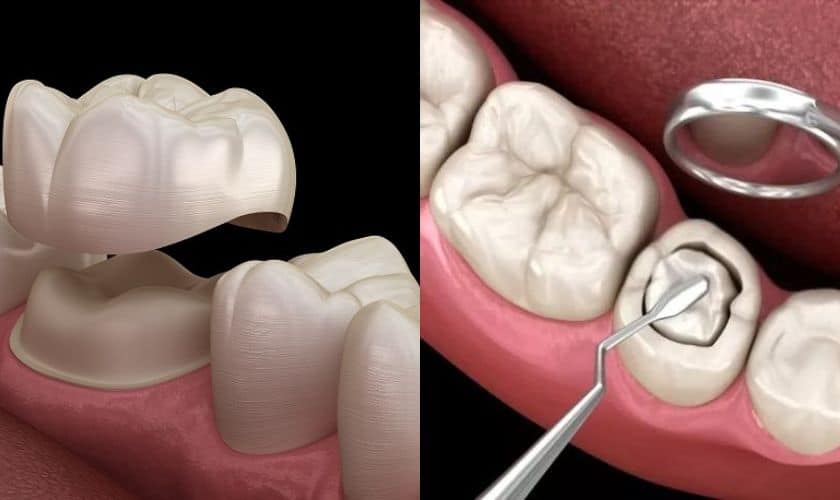
When it comes to dental restorations, patients often find themselves weighing their options between dental crowns and fillings. Both are designed to restore the function and appearance of damaged teeth, but they serve different purposes and are used in different situations. In this blog post, we’ll explore the key differences between dental crowns and fillings, helping you decide which option might be the best choice for your dental needs. Understanding Dental Crowns and Fillings What Are Dental Crowns? Dental crowns are custom-made caps placed over damaged or weakened teeth. They encase the entire tooth, providing strength and protection. Crowns are often recommended for teeth that have undergone significant decay, fractures, or root canal treatments. They can be made from various materials, including porcelain, metal, or a combination of both, depending on the specific needs and aesthetic goals of the patient. What Are Fillings? Dental fillings are materials used to restore teeth that have cavities or minor decay. Fillings are placed directly into the cavity to fill the void left by the decay, restoring the tooth’s shape and function. Common materials used for fillings include composite resin, amalgam, and glass ionomer. Fillings are typically used for smaller areas of decay and are designed to be less invasive than crowns. When to Choose Dental Crowns There are several situations where dental crowns might be the preferred option: If you’re considering getting dental crowns in Ellenbrook, consult with a qualified dentist to evaluate your specific needs and determine the best treatment plan. When to Choose Fillings Fillings may be the better choice in the following scenarios: If you’re looking for an affordable Ellenbrook dentist, they can help assess whether a filling is suitable for your dental needs. Pros and Cons of Dental Crowns Pros Cons Pros and Cons of Fillings Pros d Fillings are a less invasive option, preserving more of the natural tooth structure.Cost-Effective: They are generally more affordable than crowns, making them accessible for patients with minor decay.Quick Procedure: The filling process is usually completed in one visit, allowing for immediate restoration. Cons Limited Lifespan: Fillings may need to be replaced every few years, especially if they wear down or crack.Not Suitable for Severe Damage: Fillings cannot adequately support teeth with extensive decay or damage. Making the Right Choice When deciding between dental crowns and fillings, consider the following factors: If you’re still unsure which option is best for you, consider consulting with a professional specializing in implant dentistry in Ellenbrook. They can provide insights into the most suitable solutions based on your individual needs. Conclusion Both dental crowns and fillings have their unique benefits and drawbacks. Choosing between the two ultimately depends on the specific condition of your teeth, your budget, and your long-term dental goals. Whether you require a crown for significant damage or a filling for minor decay, working with a qualified dentist ensures you receive the best treatment for your needs. If you’re interested in exploring your options for dental restorations, don’t hesitate to reach out to your local Ellenbrook dentist. They can help guide you toward the most appropriate solution, ensuring a healthy and beautiful smile for years to come. Also Read: Exploring the Pros and Cons of Dental Veneers: A Comprehensive Guide