
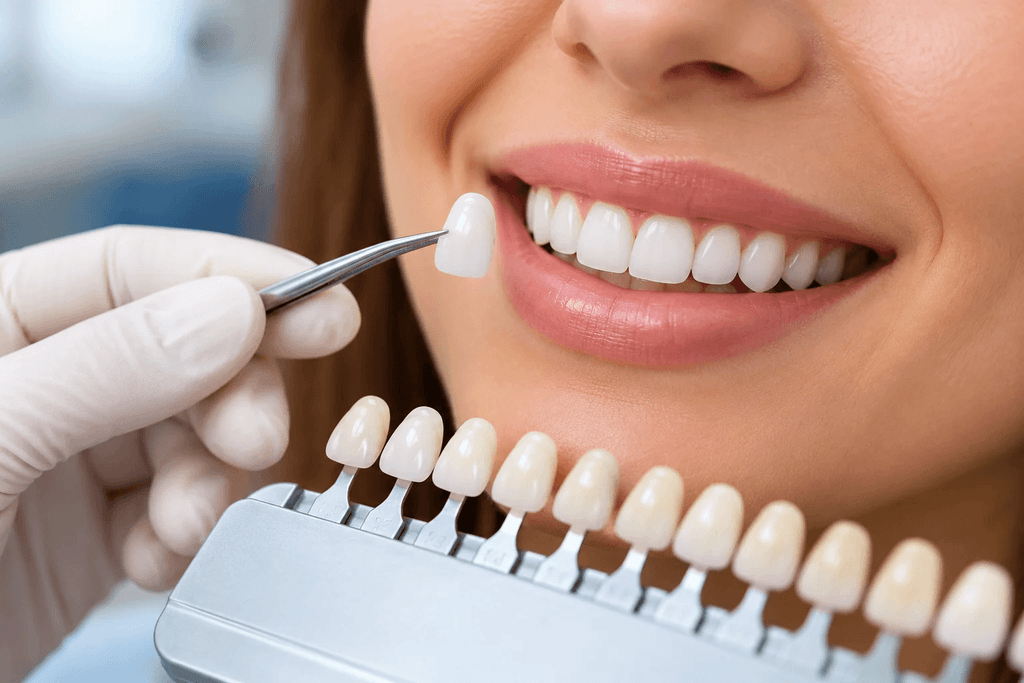
How Long Do Dental Veneers Last? Lifespan, Maintenance, and Replacement
Dental veneers are a popular cosmetic dentistry treatment that improves the appearance of teeth affected by discoloration, chips, uneven edges, small gaps, or irregular shapes. These thin coverings are bonded to the front surfaces of teeth to create a more balanced and natural-looking smile. Patients considering this treatment often want to understand how long dental veneers last and what factors influence their durability. The lifespan of dental veneers depends on the material, oral hygiene, bite alignment, and lifestyle habits. Porcelain veneers typically last 10 to 15 years or longer, while composite veneers often last 5 to 7 years. At Aveley Dental, we help patients understand proper veneer maintenance, recognize signs of damage, and explore suitable options for dental veneer treatments in Ellenbrook to maintain a healthy, attractive smile for longer. What Are Dental Veneers? Dental veneers are thin, custom-made coverings that fit over the front surfaces of selected teeth. They are designed to improve the appearance of teeth while preserving as much natural tooth structure as possible, depending on the type of veneer and the clinical requirements. Veneers can address several cosmetic concerns, including persistent tooth discoloration that does not respond well to whitening, worn or chipped edges, minor gaps between teeth, uneven tooth shapes, and small differences in tooth size. They can also help create a more consistent appearance across the visible front teeth. Before recommending veneers, we consider the condition of the teeth and gums, the patient’s bite, existing dental restorations, and their desired outcome. This assessment helps determine whether veneers are suitable or whether alternatives such as teeth whitening, dental bonding, or orthodontic treatment may better meet the patient’s needs. Types of Dental Veneers The two common types of dental veneers are porcelain veneers and composite veneers. Although both can improve the appearance of teeth, they differ in material, application, maintenance requirements, and expected lifespan. 1. Porcelain Veneers Porcelain veneers are custom-fabricated from dental ceramic to match the colour, shape, and proportions of natural teeth. Their translucent appearance can closely resemble natural enamel, making them a popular choice for patients seeking a refined smile transformation. One of the main advantages of porcelain is its resistance to staining. Compared with composite resin, porcelain generally maintains its colour more effectively when exposed to common staining substances such as coffee, tea, and certain foods. It is also durable when correctly designed, bonded, and maintained. Porcelain veneers usually require careful treatment planning and may involve removing a small amount of enamel to create space for the restoration. Because this preparation can be irreversible, we recommend discussing the long-term implications before proceeding. 2. Composite Veneers Composite veneers use tooth coloured resin that can be applied directly to the teeth and shaped by a dentist. Depending on the case, this approach may allow treatment to be completed in a single appointment without the laboratory fabrication required for conventional porcelain veneers. Composite resin can improve tooth colour, repair minor chips, and refine uneven edges. It may also be easier to repair if small areas become damaged. However, composite veneers are generally more susceptible to staining, surface wear, and chipping than porcelain. Regular professional polishing and good oral hygiene can help maintain their appearance. Patients should also understand that composite veneers may need more frequent repairs or replacement over time. Interesting Read: Porcelain vs. Composite Veneers: Which Option Is Right for You? How Long Do Dental Veneers Last? Dental veneers typically last between 5 and 15 years or longer, depending on the material and how well they are maintained. Porcelain veneers commonly last around 10 to 15 years or more, while composite veneers often last approximately 5 to 7 years. These estimates are not fixed expiration dates. Some veneers remain functional and attractive beyond their typical lifespan, while others may require earlier repair or replacement because of damage, gum changes, bonding problems, or excessive bite pressure. Several factors influence veneer longevity, including: A veneer does not necessarily need replacement simply because it has reached a particular age. Its condition, fit, appearance, and the health of the underlying tooth are more important considerations. How Long Do Porcelain Veneers Last? Porcelain veneers commonly last 10 to 15 years, and some may remain in good condition for 20 years or longer. Their longevity depends on the quality of the ceramic, the bonding process, the patient’s oral health, and the forces placed on the teeth. Porcelain is strong under normal biting conditions, but it is not indestructible. A hard impact, persistent teeth grinding, or biting on very hard objects can cause a veneer to chip or fracture. Damage to the underlying tooth or deterioration around the veneer margins may also affect its long-term success. Professional placement is particularly important. The dentist must evaluate the tooth structure, prepare the surface appropriately, ensure accurate fitting, and check that the veneer does not experience excessive pressure when the patient bites. After placement, maintaining healthy gums and cleaning around the veneer margins help protect the surrounding teeth. Routine examinations allow the dentist to monitor the bonding, check for chips, and assess whether the veneer continues to fit properly. How Long Do Composite Veneers Last? Composite veneers often last approximately 5 to 7 years, although they may last longer or require earlier repairs depending on individual circumstances. Their lifespan is influenced by the resin material, the extent of treatment, bite pressure, and daily habits. Composite resin can gradually lose its original polish, develop surface stains, or experience small chips. Unlike some damage to porcelain, minor composite imperfections may be repairable without replacing the entire restoration. Professional polishing can help restore surface smoothness and improve appearance. If the veneer has developed more extensive damage, repeated repairs may become less practical, making replacement a better option. Patients choosing composite veneers should consider both the initial treatment cost and the possibility of future maintenance. Although composite treatment may be less expensive initially, the overall long-term cost depends on how frequently repairs, polishing, or replacement are needed. What Factors Affect the Lifespan of Dental Veneers? Understanding the