
Author name: admin-tejas

Same Day Emergency Tooth Extraction
Emergency Dental Care

Can Emergency Dentists Pull a Tooth the Same Day?

Severe tooth pain, a broken tooth, or a dental infection can make it hard to eat, sleep, and do everyday activities. In some situations, waiting several days for dental treatment may not be the best option. This is when emergency dental care becomes important. But can emergency dentists pull a tooth the same day? Yes, emergency dentists can perform same-day tooth extraction when the condition requires it and the tooth cannot be saved through other treatments. However, the decision depends on the severity of the dental problem, the condition of the affected tooth, and the results of a professional examination. At Aveley Dental, patients with urgent dental concerns can get professional guidance on their treatment options. Whether you have severe tooth pain, a damaged tooth, or signs of infection, timely dental assessment can help prevent complications and protect your oral health. Can Emergency Dentists Pull a Tooth the Same Day? Yes, an emergency dentist may be able to remove a damaged, infected, or severely decayed tooth during your first appointment. A same-day emergency tooth extraction is often possible when the dentist determines that removing the affected tooth is the most appropriate treatment. Before recommending extraction, the dentist will examine your teeth and gums, review your symptoms, and may take dental X-rays to assess the tooth roots and surrounding structures. Common situations where same-day extraction may be recommended include: However, not every dental emergency requires extraction. Treatments such as root canal therapy, dental crowns, or other restorative procedures may help preserve natural teeth. Your dentist will recommend an appropriate treatment based on your individual condition. When Do You Need an Emergency Tooth Extraction? Not every toothache requires immediate removal. However, certain dental conditions may require urgent attention to relieve pain, manage infection, and prevent further damage. Here are some situations where an emergency dental extraction may be considered. 1. Severe or Persistent Toothache A severe toothache that continues despite pain relief may indicate deep decay, nerve damage, or an infection inside the tooth. If the damage is extensive and the tooth cannot be restored, extraction may be recommended. 2. Extensive Tooth Decay Untreated cavities can gradually destroy the tooth structure. When decay reaches a point where fillings, crowns, or root canal treatment cannot restore the tooth, removing it may be necessary to protect surrounding oral tissues. 3. Broken or Severely Damaged Teeth Accidents, sports injuries, or biting hard objects can cause teeth to crack or break. If the damage extends below the gumline or affects the tooth root, an emergency dentist may recommend extraction after evaluating the injury. 4. Advanced Gum Disease Severe periodontal disease can damage the gums, ligaments, and bone supporting your teeth. When a tooth becomes extremely loose and cannot be stabilised, removal may be considered to protect your overall oral health. 5. Dental Abscess or Infection A dental abscess is a collection of pus caused by a bacterial infection. It can cause swelling, intense pain, and tenderness around the affected tooth. Depending on the condition, treatment may involve drainage, root canal therapy, or extraction. Facial swelling, fever, or difficulty swallowing can indicate a spreading infection and require urgent medical or dental attention. Difficulty breathing or swallowing warrants immediate emergency medical care. Also Read: 5 Common Dental Emergencies and How an Emergency Dentist Can Help What Happens During a Same-Day Emergency Tooth Extraction? If your dentist determines that extraction is necessary, the procedure generally involves several steps. Understanding what happens during treatment can help reduce anxiety and prepare you for your appointment. 1. Initial Dental Examination The dentist will begin by asking about your symptoms, when the pain started, and whether you have experienced swelling, bleeding, or dental trauma. They will examine the affected tooth and surrounding gums to identify the underlying problem. 2. Dental X-Rays and Diagnosis Dental X-rays may be taken to examine the tooth roots, surrounding bone, and any signs of infection. These images help the dentist determine the complexity of the extraction and whether additional treatment is needed. 3. Administration of Local Anaesthesia Before removing the tooth, the dentist will administer local anaesthesia to numb the affected area. This helps minimize discomfort during the procedure while allowing you to remain awake. 4. Tooth Removal Procedure Once the area is numb, the dentist carefully loosens and removes the affected tooth. The approach depends on the condition and position of the tooth. A simple extraction may be sufficient for a visible tooth, while a more complicated case may require a surgical procedure. 5. Post-Extraction Care After removing the tooth, the dentist will provide instructions to control bleeding and support healing. Gauze may be placed over the extraction site, and you will receive guidance about eating, oral hygiene, medication, and recovery. Simple vs Surgical Emergency Dental Extraction The type of extraction depends on how accessible the tooth is and how much damage has occurred. Simple Tooth Extraction A simple extraction is performed when the affected tooth is visible above the gumline and can be removed without surgery. It is commonly recommended for: The dentist uses specialised instruments to loosen and remove the tooth carefully. Surgical Tooth Extraction A surgical extraction may be necessary when a tooth is broken below the gumline, has complicated roots, or cannot be removed using a simple technique. This procedure may involve making a small incision in the gum tissue to access the affected tooth. In some cases, the dentist may need to divide the tooth into smaller sections before removal. Your dentist will explain the recommended approach based on your examination and X-ray results. How Long Does Same-Day Tooth Extraction Take? The duration of a same-day tooth extraction depends on the tooth’s location, condition, root structure, and complexity of the procedure. A straightforward extraction may take approximately 20–40 minutes, while more complicated surgical extractions can take longer. These estimates do not necessarily include the initial examination, X-rays, and preparation. Several factors can influence treatment time: Your dentist can provide a more accurate estimate after examining your tooth. Is Emergency Tooth Extraction
Invisalign Treatment Pain and Discomfort in the First Few Days
invisalign treatment

Is Invisalign Treatment Painful? What to Expect During the First Few Days

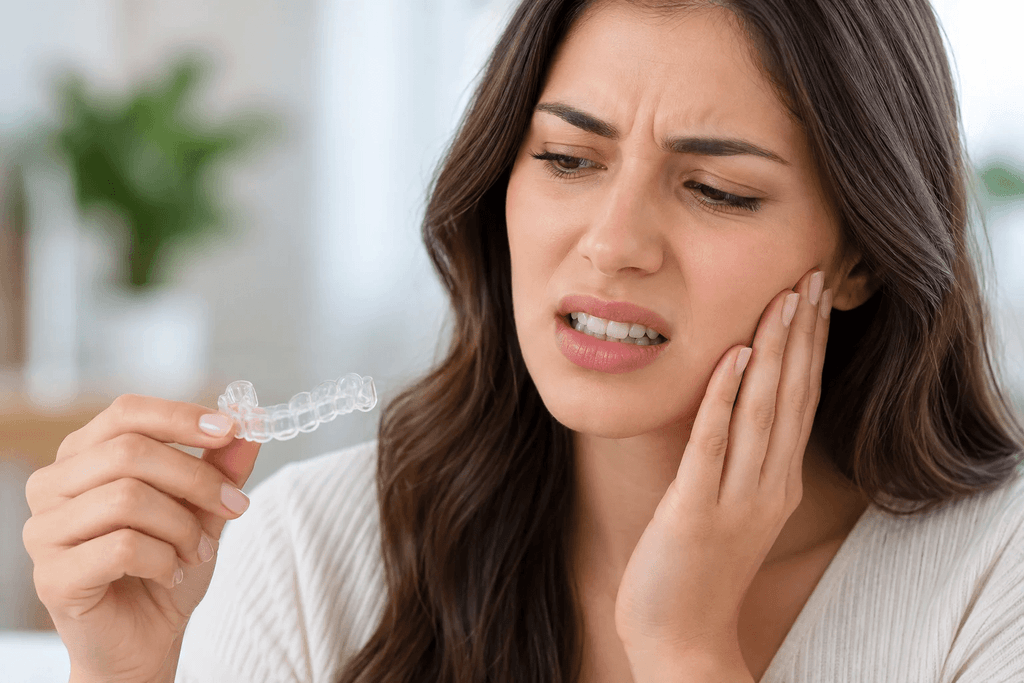
Invisalign treatment is a discreet way to straighten teeth using clear, removable aligners, but many patients ask, Is Invisalign painful? During the first few days, you may experience mild pressure, tooth tenderness, or temporary discomfort as your teeth begin to adjust to the aligners. These sensations are common and often improve within a few days as your mouth adapts to the treatment. At Aveley Dental, we help patients understand what to expect throughout their Invisalign journey. Whether you are considering treatment for a straighter smile or a complete smile makeover, knowing how to manage Invisalign discomfort can make the adjustment easier. If you are searching for an Invisalign dentist in Ellenbrook or considering Invisalign options near Brabham and Aveley, this guide explains the causes of Invisalign pain, practical ways to relieve discomfort, and when to seek professional dental advice. Is Invisalign Treatment Painful? The answer to whether Invisalign is painful is that most patients experience pressure or mild tenderness rather than significant pain. Invisalign aligners work by applying carefully planned forces to the teeth, encouraging gradual movement over time. This process can make the teeth feel sensitive, especially during the initial adjustment period. Understanding Pressure Versus Pain When you first insert your aligners, you may notice a tight sensation across your teeth. This pressure indicates that the aligners are applying force to guide your teeth towards their planned positions. Some patients describe the feeling as mild soreness, while others notice tenderness when biting or chewing. Does Invisalign hurt? It can cause temporary discomfort, but the experience is different for everyone. The sensation often becomes less noticeable as your mouth adapts to wearing the aligners. Why Does Invisalign Cause Tenderness? Tooth movement involves changes in the tissues and supporting structures around the teeth. As aligners apply pressure, the body responds to these forces, which can result in temporary sensitivity. This is a normal part of many orthodontic treatments. The intensity of Invisalign treatment pain depends on several factors, including: Mild discomfort is generally manageable. However, severe, sharp, or persistent pain should not be ignored. Contact your dentist if the pain is unusual, worsens, or prevents you from wearing your aligners as instructor. Interesting Read: How Do I Know if Invisalign Is the Right Choice for My Smile? What to Expect During the First Few Days of Invisalign Treatment The first week of Invisalign treatment is usually an adjustment period. Understanding the changes you may notice each day can help you prepare and establish a comfortable routine. Day 1: Getting Used to Your New Aligners On the first day, your aligners may feel tight as they fit over your teeth. You might notice pressure around particular teeth, especially those scheduled to move during the current stage of treatment. Speaking may also feel slightly different while your tongue adjusts to the presence of the aligners. Some patients experience minor irritation along the cheeks, lips, or tongue. This may happen while the mouth becomes accustomed to the aligner edges. To make the first day easier, we recommend following your dentist’s fitting instructions carefully. Insert and remove the aligners as demonstrated, keep them clean, and wear them for the prescribed amount of time. Avoid repeatedly removing them simply because they feel unfamiliar, as consistent wear is important for treatment progress. Drinking cool water may also help you feel more comfortable. If an aligner appears cracked, distorted, or unable to seat properly, contact your dental practice rather than attempting to modify it yourself. Days 2–3: When Invisalign Discomfort May Be Most Noticeable During the second and third days, tenderness may become more noticeable when biting or chewing. Your teeth may feel sensitive to pressure, making some foods less comfortable to eat. This does not necessarily mean that something is wrong with your Invisalign treatment. The discomfort occurs because the teeth and surrounding tissues are responding to the forces applied by the aligners. You may also notice that some teeth feel more sensitive than others, depending on the planned movements. To manage this stage, choose softer foods such as scrambled eggs, yoghurt, mashed vegetables, oatmeal, and soup that has cooled to a comfortable temperature. Remove your aligners before eating, as instructed, and brush your teeth before reinserting them. If the soreness interferes with your usual activities, ask your dentist or pharmacist whether an appropriate pain relief option is suitable for you. Do not take medication without considering your individual health circumstances or the advice of a qualified professional. Days 4–7: Gradually Adjusting to Invisalign By days four to seven, many patients find that the initial pressure and tenderness have started to settle. The aligners may feel more familiar, speaking can become easier, and everyday activities often require less conscious adjustment. The exact adjustment period varies. Some people feel comfortable within a few days, while others experience mild tenderness for longer. The duration can also differ whenever a new set of aligners is introduced. Continue wearing your aligners according to your dentist’s instructions, maintain good oral hygiene, and monitor how your teeth feel. If discomfort continues without improvement or becomes more intense, arrange a dental assessment to check the fit and your treatment progress. What Causes Invisalign Aligner Discomfort? Several factors can contribute to Invisalign alien discomfort, and understanding them can help you distinguish expected tenderness from problems that need attention. 1. Pressure as Teeth Gradually Move The main cause of Invisalign discomfort is the controlled pressure used to guide teeth towards their planned positions. Each aligner is designed to make specific adjustments, and your teeth need time to respond. Temporary tenderness is therefore common when beginning treatment or progressing to the next stage. 2. Switching to a New Set of Aligners Each new set of aligners is designed to continue the movement planned for your teeth. As a result, you may experience renewed pressure or sensitivity after changing aligners. This sensation generally settles as you adjust to the new set. Follow the change schedule provided by your dentist. Changing aligners earlier than instructed may affect treatment

How Long Do Dental Veneers Last
Dental Veneers

How Long Do Dental Veneers Last? Lifespan, Maintenance, and Replacement

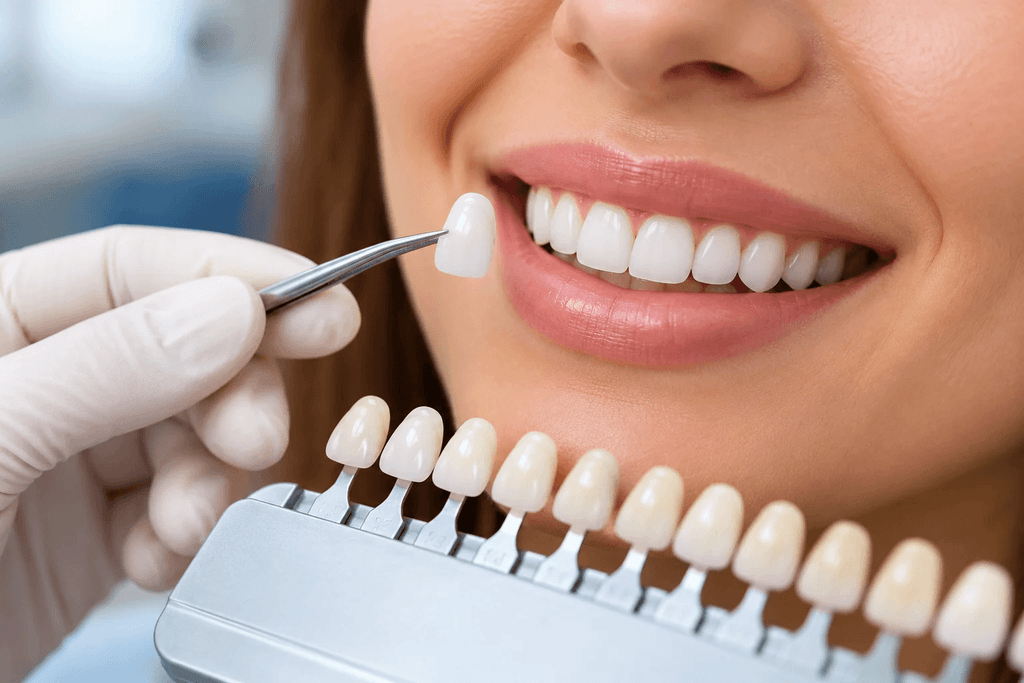
Dental veneers are a popular cosmetic dentistry treatment that improves the appearance of teeth affected by discoloration, chips, uneven edges, small gaps, or irregular shapes. These thin coverings are bonded to the front surfaces of teeth to create a more balanced and natural-looking smile. Patients considering this treatment often want to understand how long dental veneers last and what factors influence their durability. The lifespan of dental veneers depends on the material, oral hygiene, bite alignment, and lifestyle habits. Porcelain veneers typically last 10 to 15 years or longer, while composite veneers often last 5 to 7 years. At Aveley Dental, we help patients understand proper veneer maintenance, recognize signs of damage, and explore suitable options for dental veneer treatments in Ellenbrook to maintain a healthy, attractive smile for longer. What Are Dental Veneers? Dental veneers are thin, custom-made coverings that fit over the front surfaces of selected teeth. They are designed to improve the appearance of teeth while preserving as much natural tooth structure as possible, depending on the type of veneer and the clinical requirements. Veneers can address several cosmetic concerns, including persistent tooth discoloration that does not respond well to whitening, worn or chipped edges, minor gaps between teeth, uneven tooth shapes, and small differences in tooth size. They can also help create a more consistent appearance across the visible front teeth. Before recommending veneers, we consider the condition of the teeth and gums, the patient’s bite, existing dental restorations, and their desired outcome. This assessment helps determine whether veneers are suitable or whether alternatives such as teeth whitening, dental bonding, or orthodontic treatment may better meet the patient’s needs. Types of Dental Veneers The two common types of dental veneers are porcelain veneers and composite veneers. Although both can improve the appearance of teeth, they differ in material, application, maintenance requirements, and expected lifespan. 1. Porcelain Veneers Porcelain veneers are custom-fabricated from dental ceramic to match the colour, shape, and proportions of natural teeth. Their translucent appearance can closely resemble natural enamel, making them a popular choice for patients seeking a refined smile transformation. One of the main advantages of porcelain is its resistance to staining. Compared with composite resin, porcelain generally maintains its colour more effectively when exposed to common staining substances such as coffee, tea, and certain foods. It is also durable when correctly designed, bonded, and maintained. Porcelain veneers usually require careful treatment planning and may involve removing a small amount of enamel to create space for the restoration. Because this preparation can be irreversible, we recommend discussing the long-term implications before proceeding. 2. Composite Veneers Composite veneers use tooth coloured resin that can be applied directly to the teeth and shaped by a dentist. Depending on the case, this approach may allow treatment to be completed in a single appointment without the laboratory fabrication required for conventional porcelain veneers. Composite resin can improve tooth colour, repair minor chips, and refine uneven edges. It may also be easier to repair if small areas become damaged. However, composite veneers are generally more susceptible to staining, surface wear, and chipping than porcelain. Regular professional polishing and good oral hygiene can help maintain their appearance. Patients should also understand that composite veneers may need more frequent repairs or replacement over time. Interesting Read: Porcelain vs. Composite Veneers: Which Option Is Right for You? How Long Do Dental Veneers Last? Dental veneers typically last between 5 and 15 years or longer, depending on the material and how well they are maintained. Porcelain veneers commonly last around 10 to 15 years or more, while composite veneers often last approximately 5 to 7 years. These estimates are not fixed expiration dates. Some veneers remain functional and attractive beyond their typical lifespan, while others may require earlier repair or replacement because of damage, gum changes, bonding problems, or excessive bite pressure. Several factors influence veneer longevity, including: A veneer does not necessarily need replacement simply because it has reached a particular age. Its condition, fit, appearance, and the health of the underlying tooth are more important considerations. How Long Do Porcelain Veneers Last? Porcelain veneers commonly last 10 to 15 years, and some may remain in good condition for 20 years or longer. Their longevity depends on the quality of the ceramic, the bonding process, the patient’s oral health, and the forces placed on the teeth. Porcelain is strong under normal biting conditions, but it is not indestructible. A hard impact, persistent teeth grinding, or biting on very hard objects can cause a veneer to chip or fracture. Damage to the underlying tooth or deterioration around the veneer margins may also affect its long-term success. Professional placement is particularly important. The dentist must evaluate the tooth structure, prepare the surface appropriately, ensure accurate fitting, and check that the veneer does not experience excessive pressure when the patient bites. After placement, maintaining healthy gums and cleaning around the veneer margins help protect the surrounding teeth. Routine examinations allow the dentist to monitor the bonding, check for chips, and assess whether the veneer continues to fit properly. How Long Do Composite Veneers Last? Composite veneers often last approximately 5 to 7 years, although they may last longer or require earlier repairs depending on individual circumstances. Their lifespan is influenced by the resin material, the extent of treatment, bite pressure, and daily habits. Composite resin can gradually lose its original polish, develop surface stains, or experience small chips. Unlike some damage to porcelain, minor composite imperfections may be repairable without replacing the entire restoration. Professional polishing can help restore surface smoothness and improve appearance. If the veneer has developed more extensive damage, repeated repairs may become less practical, making replacement a better option. Patients choosing composite veneers should consider both the initial treatment cost and the possibility of future maintenance. Although composite treatment may be less expensive initially, the overall long-term cost depends on how frequently repairs, polishing, or replacement are needed. What Factors Affect the Lifespan of Dental Veneers? Understanding the

Custom Fit Mouthguards for Kids
custom mouth guards

Custom Fit Mouthguards for Kids: Why Proper Protection Matters

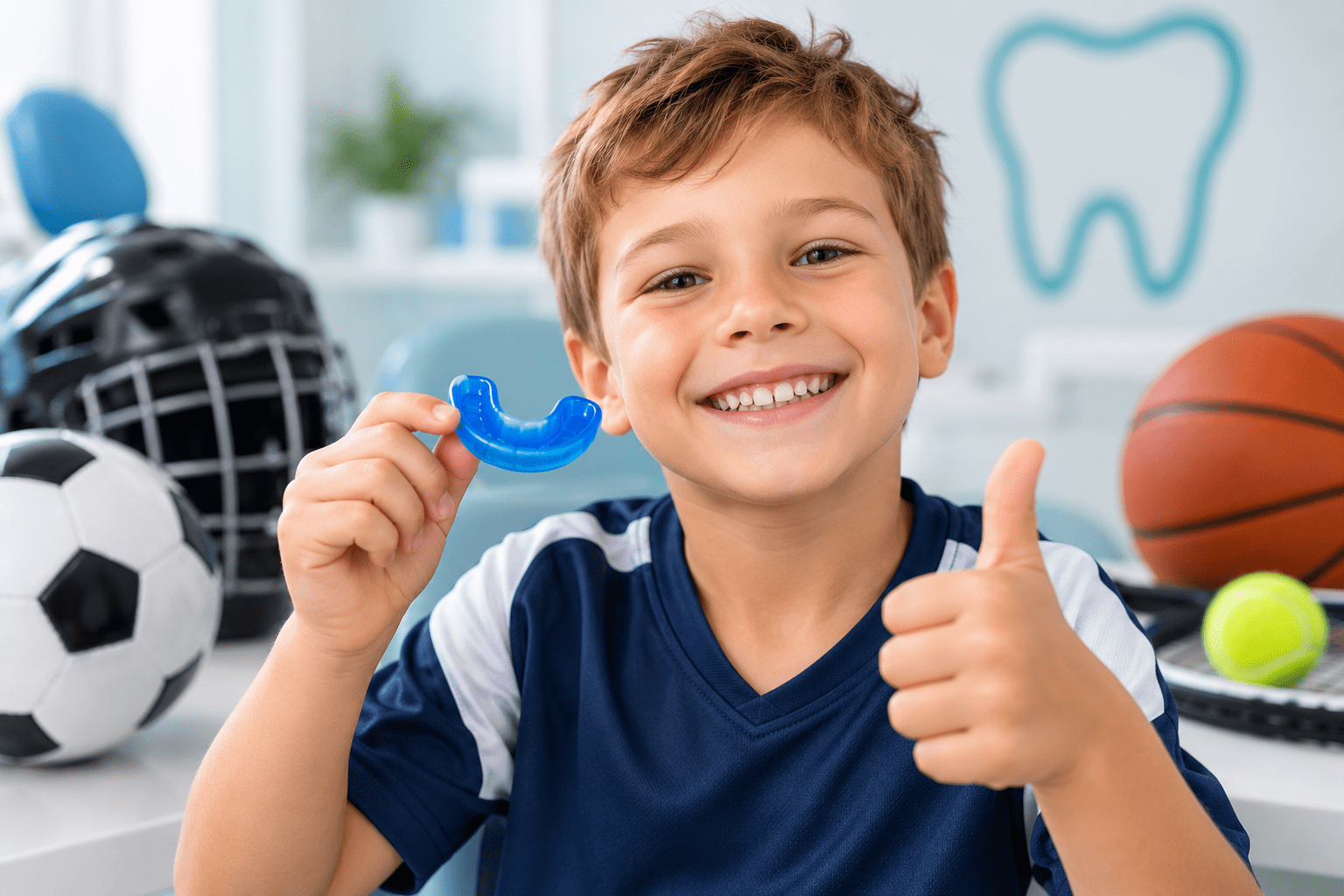
Children are naturally active, and sports provide valuable opportunities to build confidence, coordination, fitness, teamwork, and healthy habits. However, many sporting activities also involve running, jumping, physical contact, falls, or accidental collisions that can put a child’s teeth and mouth at risk. A single impact can result in a chipped tooth, dental fracture, soft tissue injury, or even a knocked-out permanent tooth. For families focused on protecting children’s teeth during sports, a properly fitted mouthguard is an important part of preventive dental care. Custom fit mouthguards for kids are designed around a child’s individual teeth and mouth, helping provide a more secure and comfortable fit than generic alternatives. At Aveley Dental, we can assess your child’s dental development and discuss suitable mouthguard options based on their sporting activities and individual needs. Why Do Kids Need Mouthguards During Sports? Sports-related dental injuries can happen unexpectedly, even when children are experienced and careful. Contact sports present an obvious risk, but accidental falls, collisions with another player, sports equipment, or hard surfaces can also cause significant injuries. A mouthguard creates a protective layer between the teeth and surrounding structures. While no mouthguard can eliminate the possibility of injury, appropriate protection can help cushion impacts involving the teeth, gums, lips, cheeks, and jaw. Children may experience chipped, cracked, loosened, displaced, or knocked-out teeth following a sporting accident. Injuries to baby teeth can also require professional assessment because developing permanent teeth are positioned beneath them. For this reason, kids’ dental protection should be considered an important part of a child’s sporting equipment. Using suitable custom mouthguards for children is particularly important when they participate regularly in activities involving contact, collision, falls, or fast-moving equipment. Which Sports May Require a Mouthguard? A mouthguard may be appropriate for many sports and physical activities, including: The need for protection is not determined solely by whether a sport is classified as a contact sport. Children can sustain dental injuries during training sessions, recreational activities, and competitive games. We recommend discussing your child’s sporting routine with a dental professional to determine whether a mouthguard is appropriate. What Are Custom Fit Mouthguards for Kids? A custom mouthguard is a protective dental appliance made specifically for an individual child’s mouth. Rather than relying on a standard shape intended to fit a wide range of users, a custom appliance is designed using an impression or digital scan of the child’s teeth. This individualised approach allows the mouthguard to be created around the child’s dental anatomy. A properly designed custom fit mouth guard can sit more securely over the teeth and may be more comfortable during physical activity. Custom mouthguards for kids are especially useful when children participate in sport regularly or have specific dental considerations that need to be taken into account. A personalised mouth guard can also be assessed as the child’s teeth and jaw develop, helping parents identify when an existing appliance may need adjustment or replacement. Because children grow and their dentition changes, mouthguard fitting is not necessarily a one-time consideration. Regular dental reviews allow us to monitor whether the appliance continues to provide an appropriate fit. Custom Mouthguards vs. Store-Bought Mouthguards Not all mouthguards provide the same level of fit or individualisation. Store-bought options can be convenient, but they are generally designed according to standard shapes and sizes rather than the specific characteristics of one child’s mouth. Feature Custom-Fit Mouthguard Store-Bought Mouthguard Fit Professionally customised Generic fit Comfort Designed around the child’s mouth May feel bulky or uncomfortable Retention More secure when properly fitted May move during activity Speech Generally easier to speak with Can interfere with speech Protection Designed around individual dental anatomy Varies according to product Growing Teeth Can be professionally monitored May become unsuitable as teeth change Why Fit Matters for Children A child’s mouth does not remain the same throughout childhood. Teeth erupt, baby teeth are lost, permanent teeth develop, jaws grow, and orthodontic treatment may alter the position of the teeth. This means a mouthguard that fitted well several months or years ago may eventually become uncomfortable, loose, tight, or unsuitable. Parents should look for changes in retention, comfort, appearance, and the child’s ability to speak or breathe comfortably while wearing the appliance. Regular dental appointments provide an opportunity for us to assess the mouthguard alongside the child’s developing teeth and determine whether a replacement or adjustment is needed. Benefits of Custom Fit Mouthguards for Kids Custom-fit mouthguards offer children a secure, comfortable fit while helping protect developing teeth, gums, and soft tissues during sports, making consistent protection easier. 1. Better Fit and Comfort Comfort is one of the most important factors influencing whether a child will consistently wear a mouthguard. A poorly fitting appliance may feel bulky, uncomfortable, or distracting, which can encourage a child to remove it during sport. Kids custom mouthguards are created around the child’s individual dental anatomy. This can provide a more natural fit and make the appliance easier to tolerate during extended sporting activities. 2. Secure During Physical Activity A mouthguard needs to remain in an appropriate position while a child is moving, running, speaking, and participating in sport. A secure fit can reduce unnecessary movement and the distraction associated with repeatedly repositioning the appliance. For children involved in regular physical activity, retention is an important consideration when selecting pediatric mouthguards. 3. Easier Breathing and Speaking Children need to communicate with teammates, coaches, officials, and parents during sporting activities. They also need to breathe comfortably while exercising. A professionally fitted appliance can be less cumbersome than an unsuitable generic mouthguard. While individual experiences vary, an appropriately fitted children’s mouthguard can make speaking and breathing more manageable during activity. 4. Protection for Developing Teeth Children’s teeth and jaws are continually developing. Permanent teeth may erupt at different stages, while baby teeth are gradually replaced. This changing dental environment makes professional assessment valuable. Custom dental mouthguards can be reviewed as the child’s mouth develops, allowing the appliance to be replaced when changes in dental anatomy make the existing mouthguard

Drive After Sedation Dentistry - Recovery Tips
Sedation Dentistry

Can You Drive After Sedation Dentistry? Recovery Tips You Should Know

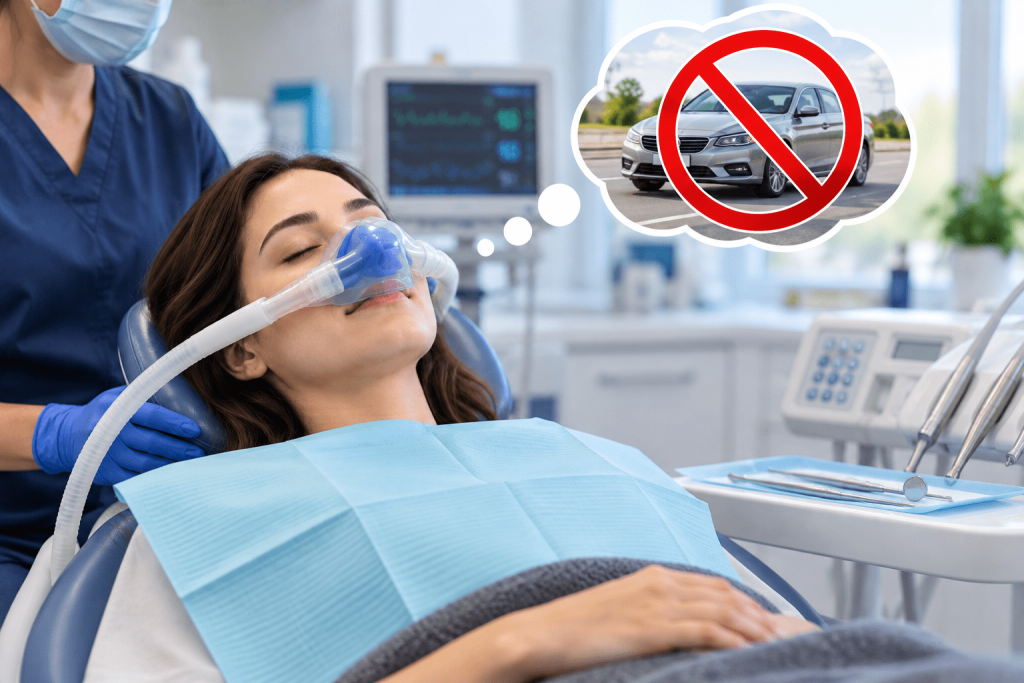
Dental sedation can make treatment more comfortable by helping patients feel calm and relaxed. However, the effects of sedation can continue after the dental appointment, even when we feel awake and able to communicate normally. For this reason, driving after dental sedation is generally not recommended until the effects of the medication have completely worn off and the dental team has confirmed that driving is safe. The appropriate recovery period depends on the sedation method, medication, dosage, treatment performed, and individual response. Understanding what to expect before arranging dental sedation can help us plan transportation, recovery time, and aftercare more safely. Can You Drive After Dental Sedation? In most cases, we should not drive immediately after dental sedation, particularly when oral or IV sedatives have been used. Sedation can temporarily affect alertness, concentration, coordination, reaction time, memory, and judgment. These abilities are essential for operating a vehicle safely. We may feel awake shortly after treatment while still experiencing residual effects from the medication. Feeling normal does not necessarily mean that our reflexes and decision-making abilities have fully returned to normal. The type of sedation used makes an important difference. Nitrous oxide sedation generally wears off much faster than oral or IV sedation, while deeper forms of sedation may require a longer period of supervision and recovery. Before leaving the dental practice, we should receive clear instructions about driving, transportation, eating, drinking, medications, physical activity, and other restrictions. When our dentist advises us not to drive, we should arrange another way to get home rather than relying on how alert we feel. How Long Should You Wait Before Driving After Sedation? There is no universal waiting period that applies to every patient or every form of dental sedation. The appropriate restriction depends on the medication used and the level of sedation achieved. 1. Nitrous Oxide Sedation Nitrous oxide, commonly called laughing gas, is inhaled through a small mask placed over the nose. It can produce a relaxed, calm feeling while allowing us to remain conscious and responsive. One advantage of nitrous oxide is that its effects generally decrease rapidly once the gas is stopped and we breathe normal oxygen. Dental professionals may provide oxygen at the end of treatment to help clear the nitrous oxide from the body. However, we should not automatically assume that we can drive after laughing gas. Our dentist should assess our condition and provide specific instructions based on the treatment and our response. If other sedating medications have also been used, the driving restrictions may be different. 2. Oral Sedation Oral sedation involves taking a prescribed sedative before or around the time of dental treatment. Depending on the medication and dosage, we may experience significant relaxation, sleepiness, impaired coordination, or reduced alertness. The effects of oral sedation can continue after we leave the practice. For this reason, patients receiving oral sedation commonly need a responsible adult to drive them home and remain available during the recovery period when instructed. We should never decide to drive simply because we feel more alert than expected. Sedative medications can continue affecting reaction time and judgment even after the strongest sensation of sleepiness has passed. 3. IV Sedation IV sedation delivers medication directly into a vein, allowing the dental team to adjust the level of sedation during treatment. Because IV sedation can produce significant relaxation and impaired alertness, additional post-treatment precautions are generally required. Patients receiving IV sedation should not drive themselves home. Transportation should be arranged before the appointment, and the dental practice will provide specific instructions regarding supervision and recovery. Why is Driving After Dental Sedation Unsafe? Driving requires continuous attention and rapid responses. Even a temporary reduction in these abilities can increase the risk of an accident. 1. Slower Reaction Times Sedation can slow the way we respond to unexpected events. A sudden stop by another vehicle, a pedestrian crossing the road, or an obstacle appearing ahead may require an immediate response. Even a small delay can make a significant difference when driving. We should therefore wait until the sedation has fully worn off and our dental professional has provided appropriate guidance. 2. Reduced Concentration After sedation, maintaining consistent attention may be more difficult. We may become distracted, tired, or less able to process multiple sources of information simultaneously. This is particularly important during busy traffic conditions, at intersections, on highways, and in unfamiliar areas. 3. Drowsiness and Fatigue Sleepiness is one of the most common concerns following sedative medication. We may initially feel comfortable and alert in the dental office but become tired later as the medication continues to affect us. Driving while drowsy can compromise attention and reaction time. Resting after treatment is often the safer choice. 4. Impaired Coordination Sedation can temporarily affect physical coordination and balance. If our coordination is impaired when walking, it may also affect the precise movements required to operate steering, pedals, indicators, and other vehicle controls. 5. Temporary Memory or Judgment Changes Some sedatives can affect short-term memory and decision-making. We may remember the dental appointment differently or have difficulty assessing situations accurately. Because safe driving depends on sound judgment, we should not drive until these effects have been resolved. What Should You Do After Dental Sedation? Planning our recovery before the appointment can make the post-treatment period easier and safer. The safest approach is to treat the recovery period seriously, even when we feel better sooner than expected. What Can You Expect During Sedation Dentistry Recovery? Recovery from sedation dentistry varies from one person to another. Depending on the medication and level of sedation, we may temporarily experience: The length and intensity of these effects can depend on the sedation method, medication used, dosage, duration of treatment, other medications, overall circumstances, and individual response. We should follow the personalized recovery instructions provided by the dental team rather than comparing our experience with another patient’s recovery. When Should You Contact a Dentist After Sedation? Most patients recover without serious problems when appropriate sedation protocols and aftercare instructions are

Teeth Cleaning vs Teeth Whitening in Aveley
Teeth Cleaning

Teeth Cleaning vs Teeth Whitening: What’s the Difference and Which Do You Need?

A healthy, radiant smile is more than just a cosmetic asset, it reflects your overall oral health and confidence. Many patients often confuse teeth cleaning with teeth whitening, assuming they deliver the same results. In reality, these treatments serve entirely different purposes. Understanding the distinction helps you make informed decisions about your dental care. Whether you’re considering dental cleaning or exploring a teeth whitening treatment in Aveley, this comprehensive guide explains everything you need to know to choose the right solution. Why is Dental Cleaning or Whitening Important? Maintaining oral health goes beyond brushing and flossing. Professional dental treatments play a critical role in preserving both the function and appearance of your teeth. Dental cleaning focuses on removing harmful buildup that can lead to gum disease, cavities, and bad breath. On the other hand, teeth whitening enhances the appearance of your smile by eliminating stains and discoloration. Neglecting regular cleaning can lead to serious oral health issues, while ignoring cosmetic concerns may impact self-confidence. Combining both treatments ensures a smile that is both healthy and visually appealing. What is Professional Teeth Cleaning? Professional teeth cleaning is a preventive dental procedure performed by skilled hygienists or dentists. It involves: Even with proper brushing, plaque can harden into tartar, which requires professional tools to remove. This is why visiting a dentist for teeth cleaning in Ellenbrook or a nearby clinic is essential. Benefits of Dental Cleaning Regular dental cleaning Aveley services offer multiple advantages: For patients seeking affordability, there are options for cheap dental cleaning in Aveley without compromising quality care. Who Needs Dental Cleaning? Dental cleaning is not optional—it is necessary for everyone. Routine visits to a professional ensure long-term dental health and prevent costly treatments in the future. What is Teeth Whitening Treatment? Teeth whitening treatment is a professional cosmetic dental procedure that enhances the appearance of your smile by lightening the natural color of your teeth. It is specifically designed to remove stains and discoloration caused by lifestyle habits, aging, and dietary factors, helping restore a cleaner and more youthful look. How Teeth Whitening Works Teeth whitening is a cosmetic procedure designed to lighten the shade of your teeth. It uses safe, dentist-approved whitening solutions to gently break down stains and restore a brighter smile. There are two main types: Choosing a professional teeth whitening treatment in Aveley ensures safety, precision, and superior results. Benefits of Teeth Whitening Teeth whitening provides immediate aesthetic improvements: It is one of the most popular cosmetic dental treatments due to its quick and noticeable results. Who Should Consider Whitening? Teeth whitening is ideal for: Key Differences Between Teeth Cleaning and Teeth Whitening Purpose Oral health Cosmetic enhancement Removes Plaque & tartar Stains & discoloration Frequency Every 6 months As needed Cost Lower Higher Understanding these differences helps patients choose the right treatment based on their needs. Teeth Cleaning vs Whitening: Which Do You Need? Choosing between the two depends entirely on your dental condition: In many cases, dentists recommend cleaning first, followed by whitening. This ensures that stains are treated on a clean surface, delivering better and longer-lasting results. Patients visiting a dentist often receive personalized recommendations based on their oral health assessment. Cost Comparison When comparing dental costs, prices vary by clinic, treatment type, and individual needs. Cleaning focuses on prevention and long-term savings, while teeth whitening is a cosmetic option to enhance your smile. Dental Cleaning Cost Dental cleaning is generally affordable and widely accessible. Many clinics offer: If you’re searching for cheap dental cleaning in Aveley, you’ll find several clinics offering quality care at competitive prices. Teeth Whitening Cost Teeth whitening costs vary depending on the method: The investment is worthwhile for those seeking noticeable cosmetic improvements. Why Choose a Professional Aveley Dentist? Selecting the right dental provider is crucial for achieving safe and effective results. A trusted Aveley Dentist offers: Dental clinics in Aveley are dedicated to providing high-quality care that improves both oral health and the appearance of your smile. Why Trust Our Dental Experts in Aveley? Our team brings years of hands-on experience in dental care, performing hundreds of successful cleaning and whitening procedures. We employ certified dentists and hygienists trained in modern dental techniques. Our whitening systems are clinically approved and safe. We are a recognized dental provider serving the Aveley and Ellenbrook community, known for consistent, high-quality care. We prioritize transparency and patient satisfaction: Step-by-Step Teeth Cleaning & Whitening Process Both treatments follow structured procedures to ensure safety, comfort, and effective results. Here’s what you can expect during each process: Cleaning Process Whitening Process Each step is designed to deliver safe, effective, and long-lasting results. Common Myths About Teeth Whitening & Cleaning Conclusion Understanding the difference between teeth cleaning and teeth whitening is essential for maintaining both oral health and aesthetic appeal. While cleaning ensures your teeth remain healthy and free from harmful buildup, whitening enhances the brightness of your smile and boosts your confidence. For the best results, consult a professional who can guide you through the right treatment plan. Whether you need dental cleaning or a reliable teeth whitening treatment in Aveley, choosing expert care guarantees long-term benefits. Ready to achieve a healthier, brighter smile? Book your appointment today with a trusted Aveley Dentist and experience professional care from the experts. Whether you need cheap dental cleaning in Aveley or advanced whitening solutions, our team is here to help you smile with confidence. Contact us now and take the first step toward your perfect smile! Frequently Asked Questions 1. How often should I get a dental cleaning? We recommend professional dental cleaning every 6 months to remove plaque and tartar that brushing cannot eliminate. Patients with gum issues may need more frequent visits. Regular checkups with a teeth cleaning dentist in Ellenbrook help maintain oral health and prevent serious dental problems. 2. Do teeth whitening last forever? Teeth whitening results are not permanent and typically last 6 months to 2 years. Lifestyle habits like smoking or consuming coffee can reduce longevity. Regular

Dental Scale Clean vs Regular Cleaning
Dental Scale and Clean

Dental Scale and Clean vs Regular Cleaning: What’s the Difference?

If you’ve ever been told you need a “scale and clean” instead of a regular dental cleaning, you’re not alone in feeling confused. Many patients assume all cleanings are the same after all, they’re all meant to keep teeth clean, right? In reality, there are important differences, and understanding them can help you protect your oral health more effectively. Knowing when a dental scale and clean in Ellenbrook is needed versus a routine clean can prevent bigger dental problems down the line. In this article, we’ll clearly explain the difference between these two types of cleanings, who needs them, and why timing matters. We’ll also share practical tips from the perspective of a trusted Ellenbrook dental clinic, so you can make confident, informed decisions about your care. What Is Dental Scale and Clean in Ellenbrook? A dental scale and clean in Ellenbrook is a professional dental procedure designed to remove plaque and hardened tartar (calculus) from teeth and along the gumline. Scaling targets buildup that brushing and flossing can’t remove, especially below the gums. This treatment typically includes: A scale and clean is often recommended when there are early signs of gum disease or when plaque has hardened into tartar over time. Why the Difference Between Cleanings Matters Not all mouths need the same level of care. Understanding the difference between a regular cleaning and a scale and clean helps ensure you receive the right treatment at the right time. This matters because: Patients who visit an experienced Ellenbrook dental clinic regularly are more likely to catch these issues early, when treatment is simpler and more comfortable. Key Differences Between a Regular Cleaning and a Scale and Clean 1. What Is a Regular Dental Cleaning? A regular cleaning sometimes called a “routine clean” is typically performed during a six-month checkup for patients with healthy gums. It focuses on: This type of cleaning is ideal for patients who maintain consistent oral hygiene and show no signs of gum disease. 2. What Makes a Scale and Clean Different? A scale and clean is more thorough and targeted. It’s used when plaque has hardened into tartar or when gums show signs of inflammation. Key differences include: For example, a patient who hasn’t had a cleaning in several years may have buildup that requires scaling before a routine clean is effective. 3. Does a Scale and Clean Take Longer? Yes, in many cases. A scale and clean may take more time than a regular cleaning, especially if buildup is significant or multiple areas are affected. Some patients may need: Your dentist will explain what’s needed based on your oral health. 4. Is a Scale and Clean Painful? Most patients experience mild discomfort at most, especially if gums are sensitive or inflamed. Dentists may use numbing gel or local anesthetic if needed. Many patients actually feel relief afterward, as inflamed gums begin to heal once tartar is removed. Common Misconceptions About Scale and Cleanings Myth: A scale and clean means my teeth are in bad shapeTruth: It often means buildup has accumulated not that damage is severe. Myth: Brushing harder can replace scalingTruth: Hardened tartar can only be removed professionally. Myth: If my gums don’t hurt, I don’t need scalingTruth: Gum disease is often painless in early stages. Myth: A scale and clean is the same as deep surgeryTruth: It’s a non-surgical, preventive treatment. When Is a Dental Scale and Clean Recommended? Your dentist may recommend a dental scale and clean in Ellenbrook if you experience: These signs often indicate gingivitis, which is reversible when treated early. Tips to Reduce the Need for Frequent Scaling While some people are naturally more prone to tartar buildup, good habits can make a big difference. Helpful tips include: Consistent care at home and visits to a trusted Ellenbrook dental clinic help keep your gums healthy and cleanings simple. Frequently Asked Questions (FAQ) How often do I need a scale and clean? It depends on your oral health. Some patients need it once, while others benefit from periodic scaling. Can I choose a regular clean instead? Your dentist recommends treatment based on your needs. Skipping scaling can allow gum disease to progress. Is scaling safe for my teeth? Yes. It removes harmful buildup and helps protect teeth and gums. What Happens If I Don’t Get My Teeth Scaled and Cleaned? Tartar buildup can worsen, leading to gum disease, bone loss, and potential tooth loss. Does insurance cover scale and clean treatments? Coverage varies by provider. Your dental clinic can help explain your options. Choosing the Right Cleaning for Long-Term Oral Health Understanding the difference between a regular cleaning and a dental scale and clean in Ellenbrook empowers you to take better care of your oral health. While routine cleanings support prevention, scaling addresses problems that brushing alone can’t fix. Both play an important role in keeping your smile healthy and comfortable. At Aveley Dental, we believe in clear communication and personalized care. Whether you’re due for a routine visit or have been advised to schedule a scale and clean, our team is here to guide you every step of the way. If you’re looking for a reliable Ellenbrook dental clinic, visit our website https://www.aveleydental.com.au/ to learn more or contact us to book an appointment. Taking action today can help protect your smile for years to come. Read More: Cosmetic Dentistry Treatments for Crooked Teeth: Best Options Explained

Dental Implants

Dental Implant for Seniors: Safety, Benefits, and Alternatives

Losing one or more teeth can be challenging at any age, but for seniors, it often affects more than just appearance. Eating comfortably, speaking clearly, and feeling confident in social situations all depend on having a healthy, functional smile. Many older adults wonder whether dental implants are still an option for them or if age makes treatment risky or unnecessary. If you’re exploring a dental implant in Aveley, this guide is designed to give you clear, honest answers. We’ll explain what dental implants are, why they’re commonly recommended for seniors, what safety factors matter most, and what alternatives exist. The goal is to help you make an informed, comfortable decision without technical jargon or sales pressure. What Is a Dental Implant in Aveley? A dental implant in Aveley is a modern tooth replacement solution that mimics the structure of a natural tooth. Instead of sitting on top of the gums, a dental implant is placed into the jawbone, where it acts as an artificial tooth root. In simple terms, a dental implant has three main parts: Dental implants are designed to be long-lasting and stable. For seniors, this often means fewer adjustments, better chewing ability, and a more natural feel compared to traditional dentures. Why Dental Implants Matter for Seniors Improved Quality of Life As we age, bone loss in the jaw becomes more common, especially after tooth loss. Dental implants help stimulate the jawbone, which can slow or prevent further bone deterioration. This support is something removable dentures cannot provide. Who Benefits Most from Dental Implants? Dental implants can be especially helpful for seniors who: Many patients visiting an Aveley dentist are surprised to learn that age alone is rarely a barrier. Overall health, bone quality, and oral hygiene matter far more than the number on your birthday cake. Key Things Seniors Should Know About Dental Implants 1. Are Dental Implants Safe for Seniors? Yes, dental implants are generally safe for seniors. The procedure has been used successfully for decades and is considered a routine treatment in modern dentistry. Before recommending treatment, your dentist will review: With proper planning and care, implant success rates remain high even for older adults. 2. How Long Does the Dental Implant Process Take? The implant process happens in stages and usually takes several months: While this timeline may seem long, it allows the implant to become strong and stable key for long-term comfort. 3. Is the Procedure Painful? Most seniors report that implant surgery is more comfortable than expected. Local anaesthesia is used, and mild soreness afterward is usually manageable with standard pain relief. Compared to ongoing discomfort from ill-fitting dentures, many patients find implants far easier in the long run. 4. How Long Do Dental Implants Last? With good oral hygiene and regular dental check-ups, dental implants can last 15–25 years or longer. For seniors, this often means a lifetime solution rather than something that needs frequent replacement. Common Misconceptions About Dental Implants for Seniors Myth: I’m too old for dental implants.Truth: Age is not a deciding factor. Health and bone condition matter far more. Myth: Dentures are always the better option for seniors.Truth: Dentures work for some people, but implants often provide better stability and comfort. Myth: Implants require constant maintenance.Truth: Dental implants are cared for like natural teeth brushing, flossing, and regular dental visits. Myth: Implants are unsafe if I have medical conditions.Truth: Many conditions can be managed with proper planning and coordination with your healthcare provider. Dental Implant Alternatives for Seniors While dental implants are an excellent option, they’re not the only solution. A trusted Aveley dentist will discuss alternatives, including: Each option has pros and cons related to comfort, cost, longevity, and maintenance. Tips for Seniors Considering Dental Implants If you’re thinking about a dental implant in Aveley, these tips can help: These steps improve outcomes and reduce complications. Frequently Asked Questions (FAQ) Are dental implants better than dentures for seniors? For many seniors, yes. Implants are more stable, feel more natural, and help preserve jawbone health. Can seniors with osteoporosis get dental implants? In many cases, yes. Your dentist will assess bone quality and may recommend additional treatments if needed. How much maintenance do dental implants require? Daily brushing, flossing, and routine dental visits similar to caring for natural teeth. How soon can I eat normally after implant treatment? Soft foods are recommended initially, but most patients return to normal eating once healing is complete. Will my dental implant look natural? Yes. Crowns are custom-made to match your natural teeth in shape and colour. Is a Dental Implant in Aveley Right for You? For many seniors, dental implants offer a safe, reliable, and confidence-boosting solution to tooth loss. They improve comfort, support oral health, and restore the ability to eat and smile with ease. While alternatives exist, a dental implant in Aveley is often considered the closest replacement to a natural tooth. If you’re ready to explore your options, the team at Aveley Dental is here to help. Contact us today to book a consultation, or visit our website https://www.aveleydental.com.au/ to learn more about dental implants and senior-friendly care tailored to your needs. Read More: Complete Wisdom Teeth Removal Recovery Guide: Timeline, Tips & What to Expect

Cosmetic Dentistry

Cosmetic Dentistry Treatments for Crooked Teeth: Best Options Explained

Crooked teeth are incredibly common, but that doesn’t make them any less frustrating. Many adults feel self-conscious about their smile or notice that misalignment causes difficulty chewing, cleaning, or even speaking. The good news? Modern dental care has never offered more comfortable, discreet, and effective ways to straighten teeth. If you’ve been searching for cosmetic dentistry near Ellenbrook, this guide breaks down the best treatment options in simple, easy-to-understand language. In this article, you’ll learn what cosmetic dentistry is, why straightening crooked teeth matters, the most popular treatments, common myths, and practical tips to help you choose the right path forward. Let’s get started. What Is Cosmetic Dentistry? The purpose of cosmetic dentistry is to improve how teeth, gums, and smiles look.While general dentistry handles oral health basics like fillings and cleanings, cosmetic treatments target visual improvements such as: When it comes to crooked teeth, cosmetic dentistry offers several solutions ranging from subtle aligners to more dramatic smile makeovers. Even though these treatments enhance appearance, many also improve function making everyday tasks like chewing or speaking easier. Why Straightening Crooked Teeth Matters Crooked teeth can affect more than your confidence. They may lead to oral health challenges, discomfort, or long-term wear and tear. Many patients who visit an Ellenbrook dentist for alignment concerns mention issues like: 1. Difficulty Cleaning Teeth Overlapping or rotated teeth create hard-to-reach spots where plaque builds up. 2. Uneven Wear on Enamel Crooked teeth may grind or rub against each other. 3. Jaw Tension or Discomfort Misalignment can contribute to bite problems or jaw strain. 4. Lower Confidence or Hesitation to Smile A straighter smile often boosts self-esteem and comfort in social situations. Cosmetic dentistry offers solutions for all of these concerns customised to your age, lifestyle, and goals. Key Treatment Options for Crooked Teeth Below, you’ll find the most common cosmetic dentistry treatments, with clear explanations, examples, and when each option works best. 1. Clear Aligners (Invisalign & Similar Systems) Clear aligners are transparent trays that gradually shift your teeth into better alignment. They are: Best for:Adults or teens wanting a discreet, flexible treatment that fits a busy lifestyle. Real-world example:A teacher at Aveley Dental chose clear aligners because she wanted to correct crowding without noticeable braces while teaching. Within months, her smile changed without anyone knowing she was in treatment. 2. Ceramic or Traditional Braces These remain one of the most reliable ways to fix crooked teeth especially severe cases. Ceramic braces use tooth-coloured brackets for a more subtle look.Metal braces are more visible but often more affordable and effective for complex alignment issues. Best for:Patients needing precise movement or corrections clear aligners can’t achieve. 3. Veneers Porcelain and composite veneers are thin shells made from porcelain or composite that are placed over the front of a tooth. They create the appearance of a straighter, more uniform smile. Important note:Veneers don’t move teeth they mask crookedness. Best for:Mild cosmetic issues such as small gaps, slightly crooked teeth, or uneven shapes. Example scenario:A young professional with a big job interview coming up wanted fast aesthetic improvements. Veneers provided immediate enhancement. 4. Dental Bonding Bonding uses a tooth-coloured resin to reshape teeth. This is a quick, cost-effective solution for minor alignment or spacing concerns. Best for:Small imperfections like chipped edges, slight crowding, or minor rotation. 5. Dental Contouring This involves gently reshaping the enamel to improve alignment. It’s subtle but effective when used alongside bonding or veneers. Best for:Patients with minor roughness, uneven edges, or slight overlapping. Common Misconceptions About Straightening Crooked Teeth Let’s clear up some confusion because myths often stop people from seeking the care they need. Myth: Cosmetic dentistry is only about looks. Truth: Many cosmetic treatments also improve function and health. Myth: Braces are only for kids. Truth: Adults are now one of the fastest-growing groups seeking aligners and braces. Myth: Clear aligners can fix everything. Truth: They work well for many cases, but severe misalignment may require braces. Myth: Straightening teeth takes years. Truth: Modern systems can noticeably improve your smile in months. Tips and Best Practices Before Choosing a Treatment Here are helpful insights to guide your decision: Frequently Asked Questions (FAQ) 1. What is the best cosmetic treatment for crooked teeth? It depends on your case. Clear aligners and braces correct alignment; veneers and bonding improve appearance for mild issues. 2. How long does treatment usually take? Anywhere from a few months to two years. Mild cases treated with cosmetic dentistry near Ellenbrook may finish faster. 3. Are clear aligners as effective as braces? Yes, for mild to moderate alignment. Severe misalignment sometimes needs braces. 4. Do treatments hurt? You may feel slight pressure during adjustments or aligner changes, but most discomfort is temporary. 5. Are veneers permanent? With regular maintenance, a porcelain veneer has a lifespan of 10 to 15 years. 6. Is cosmetic dentistry safe? Yes, when done by a qualified Ellenbrook dentist using professional-grade materials and proper planning. Your Path to a Straighter, More Confident Smile Crooked teeth don’t have to hold you back. Whether you choose aligners, braces, veneers, or bonding, today’s treatments make achieving a beautifully aligned smile easier and more comfortable than ever before. If you’re looking for an Ellenbrook cosmetic dentistry provider, please contact Aveley Dental and one of their cosmetic dentists will help you find the best option for your needs, desires, lifestyle and finances.  To take the next step, visit our website https://www.aveleydental.com.au/ and contact us your new smile is closer than you think. Read More: How Do I Know if Invisalign Is the Right Choice for My Smile?

wisdom-teeth-removal-dental-procedure
Wisdom Teeth Removal

Complete Wisdom Teeth Removal Recovery Guide: Timeline, Tips & What to Expect

Recovering from wisdom teeth removal in Ellenbrook can feel a little overwhelming, especially if it’s your first time having oral surgery. Many patients worry about pain, swelling, eating restrictions, or how long they’ll need to take off work or school. This guide created by Aveley Dental explains everything in simple, beginner-friendly language so you know exactly what to expect during recovery. We’ll walk through timelines, pain levels, diet recommendations, myths, FAQs, and practical advice from experienced dental professionals. What Is Wisdom Teeth Removal? Wisdom teeth removal is a common dental procedure that involves taking out the third molars located at the very back of your mouth. These teeth usually erupt between ages 17 and 25 and often cause crowding, gum infections, or alignment issues. At Aveley Dental, dentists routinely monitor your wisdom teeth through X-rays and recommend removal only when necessary prioritizing comfort, safety, and long-term oral health. Why Wisdom Teeth Removal Matters & Who It Helps Wisdom teeth can create problems if they grow at the wrong angle, remain stuck under the gums, or put pressure on nearby teeth.People who benefit most from early removal include those who experience: A dentist near Ellenbrook, such as the team at Aveley Dental, can help determine the right time for removal through routine checkups and imaging. Key Questions & Things to Know About Wisdom Teeth Removal 1. How Long Does Recovery Take? Most patients begin feeling better within 7–10 days. At Aveley Dental, your dentist will give you a personalised recovery plan based on your procedure. Typical healing timeline: 2. What Can You Eat After Surgery? Stick to soft, easy foods such as: Your dentist at Aveley Dental will advise when you can safely reintroduce firmer foods. 3. What Does the Procedure Feel Like? Depending on your case, you may receive local anesthesia, sedation, or general anesthesia. Most patients feel pressure but no pain during the procedure. 4. How Do You Prevent Dry Socket? Dry socket can happen if the protective blood clot dissolves too early. Avoid: 5. When Should You Call Your Dentist? Contact Aveley Dental if you notice: Common Myths About Wisdom Teeth Removal Myth: Everyone must remove their wisdom teeth.Truth: Removal is only recommended when risks or symptoms are present. Myth: Recovery is unbearably painful.Truth: With medication and proper care, most patients recover comfortably. Myth: You can eat normally the next day.Truth: Soft foods are necessary for proper healing. Myth: You shouldn’t brush for days.Truth: Brush gently just avoid the extraction area for the first 24 hours. Tips for a Smooth Recovery (Recommended by Aveley Dental) FAQs About Wisdom Teeth Removal in Ellenbrook 1. Do wisdom teeth always need to be removed? Not always your dentist at Aveley Dental will only recommend removal when necessary. 2. How long before I can go back to work or school? Most patients need 2–3 days, depending on the complexity of the extraction. 3. Can wisdom teeth grow back after removal? No, once removed, they do not grow back. 4. When can I brush my teeth again? After the first 24 hours, you can brush normally but avoid the extraction area. 5. Is swelling normal? Yes, it usually peaks at Day 2 and decreases each day after. 6. Can I drive home after the procedure? If sedation was used, arrange transportation. Local anesthesia alone usually allows you to drive sooner. Your Recovery Support Starts Here Wisdom teeth removal is a safe and routine procedure that helps prevent infections, crowding, and long-term dental issues. With the right guidance, recovery is smoother and less stressful. If you’re considering wisdom teeth removal in Ellenbrook, the caring team at Aveley Dental is here to support every step of your healing journey. For expert care and personalised advice, visit our website https://www.aveleydental.com.au/ and contact us today. Read More: What Actually Happens During a Tooth Extraction Procedure

Scroll to Top