
Dental Implants

Dental Implants

Dental Implant for Seniors: Safety, Benefits, and Alternatives

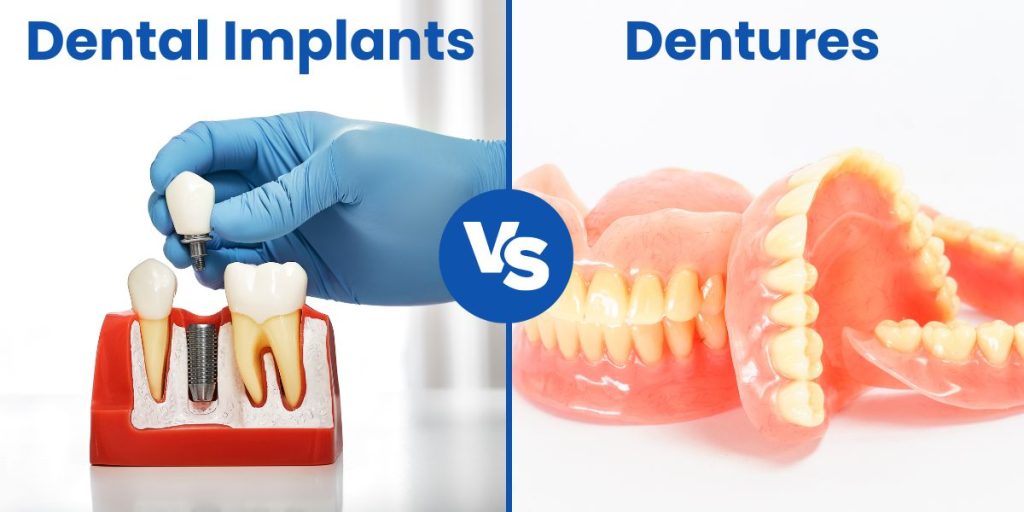
Losing one or more teeth can be challenging at any age, but for seniors, it often affects more than just appearance. Eating comfortably, speaking clearly, and feeling confident in social situations all depend on having a healthy, functional smile. Many older adults wonder whether dental implants are still an option for them or if age makes treatment risky or unnecessary. If you’re exploring a dental implant in Aveley, this guide is designed to give you clear, honest answers. We’ll explain what dental implants are, why they’re commonly recommended for seniors, what safety factors matter most, and what alternatives exist. The goal is to help you make an informed, comfortable decision without technical jargon or sales pressure. What Is a Dental Implant in Aveley? A dental implant in Aveley is a modern tooth replacement solution that mimics the structure of a natural tooth. Instead of sitting on top of the gums, a dental implant is placed into the jawbone, where it acts as an artificial tooth root. In simple terms, a dental implant has three main parts: Dental implants are designed to be long-lasting and stable. For seniors, this often means fewer adjustments, better chewing ability, and a more natural feel compared to traditional dentures. Why Dental Implants Matter for Seniors Improved Quality of Life As we age, bone loss in the jaw becomes more common, especially after tooth loss. Dental implants help stimulate the jawbone, which can slow or prevent further bone deterioration. This support is something removable dentures cannot provide. Who Benefits Most from Dental Implants? Dental implants can be especially helpful for seniors who: Many patients visiting an Aveley dentist are surprised to learn that age alone is rarely a barrier. Overall health, bone quality, and oral hygiene matter far more than the number on your birthday cake. Key Things Seniors Should Know About Dental Implants 1. Are Dental Implants Safe for Seniors? Yes, dental implants are generally safe for seniors. The procedure has been used successfully for decades and is considered a routine treatment in modern dentistry. Before recommending treatment, your dentist will review: With proper planning and care, implant success rates remain high even for older adults. 2. How Long Does the Dental Implant Process Take? The implant process happens in stages and usually takes several months: While this timeline may seem long, it allows the implant to become strong and stable key for long-term comfort. 3. Is the Procedure Painful? Most seniors report that implant surgery is more comfortable than expected. Local anaesthesia is used, and mild soreness afterward is usually manageable with standard pain relief. Compared to ongoing discomfort from ill-fitting dentures, many patients find implants far easier in the long run. 4. How Long Do Dental Implants Last? With good oral hygiene and regular dental check-ups, dental implants can last 15–25 years or longer. For seniors, this often means a lifetime solution rather than something that needs frequent replacement. Common Misconceptions About Dental Implants for Seniors Myth: I’m too old for dental implants.Truth: Age is not a deciding factor. Health and bone condition matter far more. Myth: Dentures are always the better option for seniors.Truth: Dentures work for some people, but implants often provide better stability and comfort. Myth: Implants require constant maintenance.Truth: Dental implants are cared for like natural teeth brushing, flossing, and regular dental visits. Myth: Implants are unsafe if I have medical conditions.Truth: Many conditions can be managed with proper planning and coordination with your healthcare provider. Dental Implant Alternatives for Seniors While dental implants are an excellent option, they’re not the only solution. A trusted Aveley dentist will discuss alternatives, including: Each option has pros and cons related to comfort, cost, longevity, and maintenance. Tips for Seniors Considering Dental Implants If you’re thinking about a dental implant in Aveley, these tips can help: These steps improve outcomes and reduce complications. Frequently Asked Questions (FAQ) Are dental implants better than dentures for seniors? For many seniors, yes. Implants are more stable, feel more natural, and help preserve jawbone health. Can seniors with osteoporosis get dental implants? In many cases, yes. Your dentist will assess bone quality and may recommend additional treatments if needed. How much maintenance do dental implants require? Daily brushing, flossing, and routine dental visits similar to caring for natural teeth. How soon can I eat normally after implant treatment? Soft foods are recommended initially, but most patients return to normal eating once healing is complete. Will my dental implant look natural? Yes. Crowns are custom-made to match your natural teeth in shape and colour. Is a Dental Implant in Aveley Right for You? For many seniors, dental implants offer a safe, reliable, and confidence-boosting solution to tooth loss. They improve comfort, support oral health, and restore the ability to eat and smile with ease. While alternatives exist, a dental implant in Aveley is often considered the closest replacement to a natural tooth. If you’re ready to explore your options, the team at Aveley Dental is here to help. Contact us today to book a consultation, or visit our website https://www.aveleydental.com.au/ to learn more about dental implants and senior-friendly care tailored to your needs. Read More: Complete Wisdom Teeth Removal Recovery Guide: Timeline, Tips & What to Expect
Dental Implants

Mini Dental Implants: A Cost-Effective Solution for Missing Teeth?

Missing teeth can make everyday life harder chewing becomes uncomfortable, your smile feels incomplete, and confidence often takes a hit. Traditional dental implants are one of the most reliable solutions, but many people hesitate because of the cost or complexity of treatment. That’s where mini dental implants come in. At Aveley Dental, we’re often asked if they are a practical alternative to conventional implants. This article will explain what they are, who they help, their benefits and drawbacks, and answer common questions so you can decide if dental implants in Aveley are right for you. What Are Mini Dental Implants? Mini dental implants are a smaller, less invasive version of traditional implants. While standard implants use a titanium screw about 3.5–6 mm in diameter, mini implants are usually under 3 mm. They work much the same way: In short, they provide stability for replacement teeth without the same level of surgical complexity as full implants. Why Mini Dental Implants Matter Mini implants matter because they give patients options. Not everyone can (or wants to) go through a full implant procedure. Common situations where mini implants can help include: In Aveley and beyond, these implants allow more people to regain confidence in their smile without undergoing extensive surgery. Key Questions About Mini Dental Implants 1. How do mini implants compare to traditional implants? Traditional implants are stronger and often last longer, but mini implants are quicker to place and require less bone support. For some patients, mini implants are a good “middle ground.” 2. How long do mini dental implants last? With good oral hygiene and regular checkups at your dentist in Aveley, mini implants can last several years sometimes even over a decade. They may not last as long as full implants, but they are durable when well cared for. 3. Are mini implants painful to get? Most patients report minimal discomfort. Because the procedure is less invasive, recovery is typically faster than with traditional implants. Local anesthesia is usually all that’s needed. 4. How much do mini dental implants cost in Aveley? Costs vary depending on how many teeth are being replaced and the clinic you choose. Generally, mini implants cost less than full implants, making them an attractive option for patients on a budget. 5. Can anyone get mini implants? Not always. Patients with very low bone density, active gum disease, or severe grinding issues may not be good candidates. A consultation with a trusted Aveley dentist is the best way to find out. Common Misconceptions About Mini Implants Tips and Best Practices for Mini Dental Implants FAQ: Mini Dental Implants in Aveley Q1. How soon can I eat after getting mini implants?Most patients can eat soft foods within 24–48 hours, gradually returning to normal foods as healing progresses. Q2. Do mini implants require bone grafting?Usually not. Their smaller size means they can be placed in areas with less bone, making them suitable for patients who want to avoid grafting. Q3. Can mini implants replace molars?They are better suited for front teeth or stabilizing dentures. For molars that take heavy chewing force, traditional implants may be recommended. Q4. Will insurance cover mini dental implants?Coverage varies. Some plans partially cover implants, while others classify them as elective. It’s best to check with your provider. Q5. How long is the procedure?Many mini implant placements can be completed in a single visit, with patients resuming normal activities quickly. Are Mini Dental Implants Right for You? Mini dental implants are a practical, affordable solution for many patients who want to restore their smile without the cost and recovery time of traditional implants. While they may not be perfect for everyone, they offer comfort, stability, and renewed confidence. At Aveley Dental, we’re here to guide you through your options for dental implants in Aveley from mini implants to full restorations. Ready to explore whether mini implants are right for you? Contact Aveley Dental today or visit our website https://www.aveleydental.com.au/ to book your consultation. Read More: 10 Common Dental Problems in Kids and How a Kids Dentist Can Help

Dental Implants

What Are the Different Types of Dental Implants?

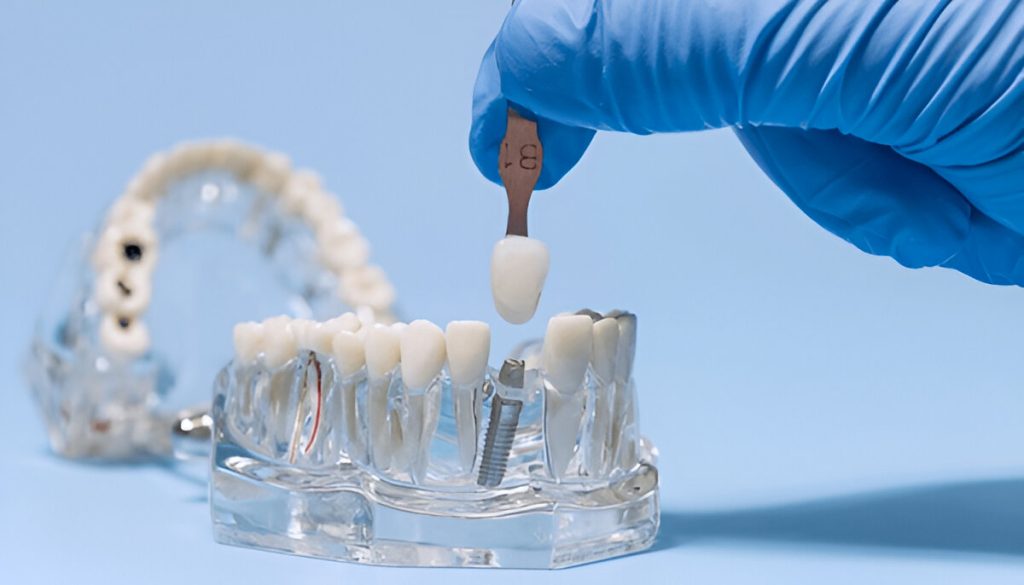
Dental implants have revolutionized the way we restore missing teeth, offering a long-term, natural-looking solution for individuals who have lost teeth due to injury, decay, or disease. Unlike dentures or bridges, dental implants provide unparalleled support and stability by fusing directly with the jawbone. But did you know that there are different types of dental implants available depending on your individual needs? In this blog, we’ll explore the main types of dental implants, their benefits, and who they are best suited for. Understanding Dental Implants Dental implants consist of three main components: the implant post (which acts like the tooth root), the abutment (which connects the implant to the crown), and the dental crown (the visible part that mimics a natural tooth). These components work together to restore full function and aesthetics to your smile. If you’re considering dental implants in Brabham, it’s essential to understand the various types available to determine the best option for your oral health and lifestyle. 1. Endosteal Implants Endosteal implants are the most commonly used type of dental implant. These implants are surgically inserted directly into the jawbone and serve as a sturdy base for one or more prosthetic teeth. Typically made of titanium, endosteal implants are ideal for patients with sufficient bone density and healthy gum tissue. Best for: Patients with healthy jawbones and those seeking a permanent solution to replace one or multiple teeth. Benefits: 2. Subperiosteal Implants Subperiosteal implants are an alternative to endosteal implants for patients who may not have enough healthy jawbone and are not candidates for bone grafting. Instead of being placed into the bone, subperiosteal implants rest on top of the jawbone but underneath the gum tissue. A metal frame is used to support the implant and hold the prosthetic teeth in place. Best for: Patients with inadequate jawbone height or volume who prefer not to undergo bone augmentation. Benefits: 3. Zygomatic Implants Zygomatic implants are the least common and most complex type. These implants are used when a patient lacks sufficient upper jawbone for traditional implants and bone grafting is not an option. Instead of being anchored in the jawbone, zygomatic implants are anchored in the cheekbone (zygoma). Best for: Patients with severe bone loss in the upper jaw Benefits: If you’re exploring these advanced options, working with a skilled dentist in Bullsbrook who has experience with zygomatic and other specialized implants is crucial for a successful outcome. 4. All-on-4 Dental Implants All-on-4 is a revolutionary dental implant technique that allows a full arch of teeth to be supported by just four implants. This option is ideal for individuals who are missing most or all of their teeth in either the upper or lower jaw. Best for: Patients who need full-arch restoration without multiple implants Benefits: 5. Mini Dental Implants Mini dental implants (MDIs) are smaller and narrower than traditional implants. They are often used in patients who do not have enough bone for conventional implants and don’t want to undergo bone grafting. MDIs are typically used to stabilize lower dentures and require less healing time. Best for: Patients with small teeth, limited bone structure, or denture stabilization Benefits: Choosing the Right Type of Dental Implant The ideal type of dental implant for you will depend on several factors, including: A professional dental consultation with a skilled implant dentist is necessary to determine the best treatment plan tailored to your unique situation. Frequently Asked Questions (FAQs) 1. Are dental implants safe?Yes, dental implants are a safe and well-established treatment with a high success rate when performed by experienced professionals. 2. How long do dental implants last?With proper care, dental implants can last 20 years or more—often a lifetime. 3. Is the dental implant procedure painful?The procedure is performed under local anesthesia or sedation, so most patients experience minimal discomfort. Some soreness is expected post-surgery, but it’s typically manageable. 4. Can I get dental implants if I have gum disease?Gum disease needs to be treated and managed before implant placement. Your dentist will evaluate your oral health to determine your eligibility. 5. How much do dental implants cost?Costs vary based on the type of implant and the complexity of your case. Your dentist will provide a detailed cost breakdown during your consultation. Final Thoughts Dental implants offer a highly effective solution for replacing missing teeth, improving both function and aesthetics. Whether you need a single tooth replacement or a full-mouth restoration, there is a dental implant option to suit your needs. Understanding the types of dental implants—from endosteal and subperiosteal to advanced solutions like zygomatic and All-on-4—can help you make an informed decision about your oral health. Ready to Transform Your Smile? If you’re ready to explore your options with dental implants, book your appointment today with our expert dental team. We’ll guide you through every step of the process, from consultation to aftercare, ensuring you receive the highest quality of care. Also read: What Are the Signs You Might Need a Custom Mouth Guard?

Dental Implants

Am I a Candidate for Dental Implants? Key Factors to Consider

Dental implants are a revolutionary solution for replacing missing teeth, offering a natural look and long-term durability. If you’re wondering, “Am I a candidate for dental implants?” there are several key factors to consider. From oral health to lifestyle choices, understanding the requirements can help determine if this treatment is right for you. In this blog, we’ll explore the essential criteria for dental implants, their benefits, and why visiting an implant dentist in Ellenbrook is the first step toward restoring your smile. What Are Dental Implants? Dental implants are artificial tooth roots, typically made from titanium, that are surgically placed into the jawbone. They provide a stable foundation for replacement teeth such as crowns, bridges, or dentures. Unlike traditional dentures or bridges, implants integrate with the bone through a process called osseointegration, ensuring long-lasting support and improved oral function. Key Factors to Determine Candidacy for Dental Implants 1. Overall Oral Health A strong and healthy mouth is crucial for successful implant placement. You may be a suitable candidate if you: Before implant surgery, your dentist in Ellenbrook will assess your oral health and may recommend treatments like deep cleaning or fillings to improve your chances of success. 2. Sufficient Jawbone Density A strong jawbone is necessary to support the implant securely. If you have experienced bone loss due to missing teeth or gum disease, your dentist might suggest: Your implant dentist in Ellenbrook will use X-rays or 3D imaging to evaluate your bone structure and recommend the best course of action. 3. General Health and Medical Conditions Certain health conditions and medications can impact your ability to receive implants. Ideal candidates should: Discuss your medical history with your dentist in Ellenbrook to ensure implants are a safe option for you. 4. Age Considerations While there is no upper age limit for dental implants, candidates should have fully developed jawbones. This means: 5. Commitment to Post-Surgical Care Successful implants require proper aftercare, including: When Dental Implants May Not Be Suitable While implants are a great solution for many, they may not be ideal for those who: If you experience a dental emergency in Ellenbrook, such as a knocked-out tooth or severe infection, seeking prompt care can improve your eligibility for future implants. Benefits of Dental Implants Choosing dental implants offers numerous advantages, including: 1. Natural Look and Feel Implants closely resemble real teeth in appearance and function, allowing you to smile with confidence. 2. Long-Term Durability With proper care, implants can last a lifetime, making them a cost-effective solution. 3. Improved Oral Health Unlike traditional bridges, implants do not rely on neighboring teeth for support, preserving natural tooth structure. 4. Better Comfort and Functionality Implants allow you to eat, speak, and chew without discomfort, unlike removable dentures. 5. Jawbone Preservation By stimulating the jawbone, implants prevent bone loss and maintain facial structure. Next Steps: Consulting an Implant Dentist in Ellenbrook If you’re considering dental implants, the first step is scheduling a consultation with an implant dentist in Ellenbrook. They will: Conclusion Dental implants are an excellent option for restoring missing teeth, but they require careful evaluation and proper care. If you have concerns about your candidacy or need emergency dental care, don’t hesitate to reach out to a dentist in Ellenbrook for expert advice. Are you ready to transform your smile? Contact an implant dentist in Ellenbrook today to explore your options!

Dental Implants

Dental Implant Maintenance: The Importance of Regular Check-Ups

Dental implants are an excellent solution for replacing missing teeth, offering a durable and natural-looking restoration. However, like natural teeth, they require proper care and maintenance to ensure they remain in optimal condition. Regular check-ups play a vital role in preserving the health and functionality of dental implants. This article explores why maintenance is crucial and how routine dental visits can help you get the most out of your investment. Why Dental Implant Maintenance Matters Dental implants integrate with the jawbone, providing a stable foundation for prosthetic teeth. While implants are resistant to decay, the surrounding gums and supporting bone are still susceptible to issues like infection or bone loss. Without proper care, complications such as peri-implantitis—a condition similar to gum disease—can arise, jeopardizing the success of your implant. Regular check-ups allow your dentist to monitor your implants, catch potential problems early, and provide the necessary interventions to keep your implants healthy. The Role of Professional Check-Ups in Implant Health Professional dental check-ups go beyond what you can achieve with home care. During these visits, your dentist will: Maintaining Dental Implants at Home While professional care is essential, maintaining dental implants starts with a solid home-care routine. Here are some tips: Remember, even with excellent home care, professional cleanings are necessary to tackle the hard-to-reach areas. Addressing Emergencies with Dental Implants Implant-related emergencies, though rare, can occur. These may include: If you experience any of these issues, it’s essential to consult an emergency Ellenbrook dentist promptly. Immediate attention can prevent further complications and protect your investment. The Benefits of Choosing the Right Dentist When it comes to dental implants, selecting a qualified dentist is crucial. A skilled dentist not only ensures successful implant placement but also provides ongoing care to maintain them. Whether you’re new to the area or seeking expert care, finding a dentist near Ellenbrook with experience in implant maintenance is essential for long-term success. The Long-Term Impact of Regular Check-Ups Investing in dental implants is a commitment to your oral health and confidence. Regular dental visits help safeguard that investment by ensuring your implants function as intended for years to come. Moreover, check-ups promote overall oral health, as your dentist can detect and address other dental issues during these appointments. Conclusion Dental implants offer a reliable and long-lasting solution for missing teeth, but their success depends on consistent maintenance. Regular check-ups with a trusted professional for dental implant treatment in Ellenbrook are key to keeping your smile healthy and radiant. By combining professional care with diligent home hygiene, you can enjoy the full benefits of your dental implants for a lifetime. If you’re looking for expert dental care, whether for routine check-ups or emergencies, contact an experienced dentist near Ellenbrook today. Your smile deserves the best care possible!

dental-crowns-vs-fillings.jpg
Dental Implants, Uncategorized

Dental Crowns vs. Fillings: Which Is the Better Choice?

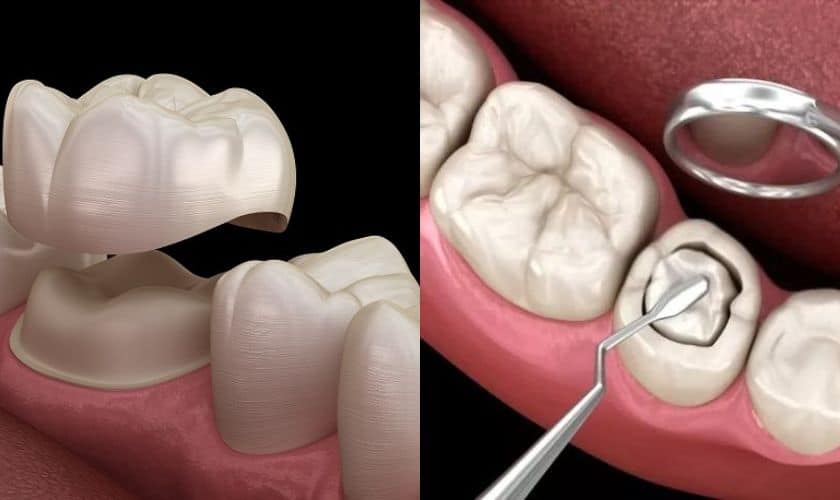
When it comes to dental restorations, patients often find themselves weighing their options between dental crowns and fillings. Both are designed to restore the function and appearance of damaged teeth, but they serve different purposes and are used in different situations. In this blog post, we’ll explore the key differences between dental crowns and fillings, helping you decide which option might be the best choice for your dental needs. Understanding Dental Crowns and Fillings What Are Dental Crowns? Dental crowns are custom-made caps placed over damaged or weakened teeth. They encase the entire tooth, providing strength and protection. Crowns are often recommended for teeth that have undergone significant decay, fractures, or root canal treatments. They can be made from various materials, including porcelain, metal, or a combination of both, depending on the specific needs and aesthetic goals of the patient. What Are Fillings? Dental fillings are materials used to restore teeth that have cavities or minor decay. Fillings are placed directly into the cavity to fill the void left by the decay, restoring the tooth’s shape and function. Common materials used for fillings include composite resin, amalgam, and glass ionomer. Fillings are typically used for smaller areas of decay and are designed to be less invasive than crowns. When to Choose Dental Crowns There are several situations where dental crowns might be the preferred option: If you’re considering getting dental crowns in Ellenbrook, consult with a qualified dentist to evaluate your specific needs and determine the best treatment plan. When to Choose Fillings Fillings may be the better choice in the following scenarios: If you’re looking for an affordable Ellenbrook dentist, they can help assess whether a filling is suitable for your dental needs. Pros and Cons of Dental Crowns Pros Cons Pros and Cons of Fillings Pros d Fillings are a less invasive option, preserving more of the natural tooth structure.Cost-Effective: They are generally more affordable than crowns, making them accessible for patients with minor decay.Quick Procedure: The filling process is usually completed in one visit, allowing for immediate restoration. Cons Limited Lifespan: Fillings may need to be replaced every few years, especially if they wear down or crack.Not Suitable for Severe Damage: Fillings cannot adequately support teeth with extensive decay or damage. Making the Right Choice When deciding between dental crowns and fillings, consider the following factors: If you’re still unsure which option is best for you, consider consulting with a professional specializing in implant dentistry in Ellenbrook. They can provide insights into the most suitable solutions based on your individual needs. Conclusion Both dental crowns and fillings have their unique benefits and drawbacks. Choosing between the two ultimately depends on the specific condition of your teeth, your budget, and your long-term dental goals. Whether you require a crown for significant damage or a filling for minor decay, working with a qualified dentist ensures you receive the best treatment for your needs. If you’re interested in exploring your options for dental restorations, don’t hesitate to reach out to your local Ellenbrook dentist. They can help guide you toward the most appropriate solution, ensuring a healthy and beautiful smile for years to come. Also Read: Exploring the Pros and Cons of Dental Veneers: A Comprehensive Guide

benefits of dental implants blog
Dental Implants

Restoring Smiles: Understanding the Benefits of Dental Implants

A radiant smile can boost your confidence and leave a lasting impression. Dental implants in Ellenbrook are revolutionizing smiles and have transformed the lives of many individuals, offering them a second chance at a complete and beautiful smile. At Aveley Dental Centre, we believe in the power of dental implants to restore not just teeth but confidence and quality of life. In this blog, our Cosmetic Dentist near Ellenbrook will delve into the power and perfection of dental implants, exploring their benefits and how dental implants in Aveley & Ellenbrook can restore your smile to its full glory. What are Dental Implants? Dental implants are posts made from titanium and surgically inserted into the jawbone to serve as artificial tooth roots. Unlike traditional dentures or dental bridges, dental implants in Ellenbrook provide a permanent solution for missing teeth. Once the implant integrates with the jawbone, it forms a stable foundation for a crown, bridge, or denture, resulting in a natural-looking and fully functional smile. Benefits of Dental Implants: #1 Improved Aesthetics Dental implants mimic the look and feel of natural teeth, enhancing your smile’s appearance and boosting self-confidence. With careful customization by our skilled team at Ellenbrook, dental implants blend seamlessly with your existing teeth, restoring a beautiful and harmonious smile. #2 Enhanced Functionality Unlike removable dentures, dental implants allow for more comfortable chewing and speaking, enabling you to enjoy your favourite foods and engage in social activities with confidence. Say goodbye to discomfort or embarrassment caused by slipping dentures, and embrace the freedom that comes with securely anchored teeth. #3 Preservation of Jawbone Health When a tooth is lost, the jawbone surrounding the tooth may begin to deteriorate due to lack of stimulation. Dental implants stimulate bone growth and prevent bone loss, preserving facial structure and preventing premature ageing. With proper care, dental implants in Ellenbrook can last a lifetime, providing long-term support for your oral health. #4 Convenience and Durability Dental implants eliminate the need for denture adhesives or special cleaning routines associated with traditional dentures. They are easy to maintain and durable, offering a permanent solution for missing teeth that requires minimal adjustments over time. With regular check-ups at Aveley Dental Centre, your dental implants can withstand the test of time and continue to deliver exceptional results. #5 Improved Oral Health Unlike dental bridges, which require adjacent teeth to be filed down for support, dental implants preserve the integrity of adjacent teeth. This means that your natural teeth remain untouched, promoting better long-term oral health and reducing the risk of future dental complications. Conclusion Dental implants at Aveley Dental Centre offer several benefits for patients in Aveley, Ellenbrook and beyond. Whether you’re missing one tooth or several, dental implants provide a reliable and aesthetically pleasing solution that restores function, enhances appearance, and promotes overall well-being. Schedule a consultation with our experienced team to discover how dental implants can transform your smile and restore your confidence today. Also Read: Getting Fit Again: When is it Safe to Resume Workouts After Wisdom Teeth Removal?

Scroll to Top