
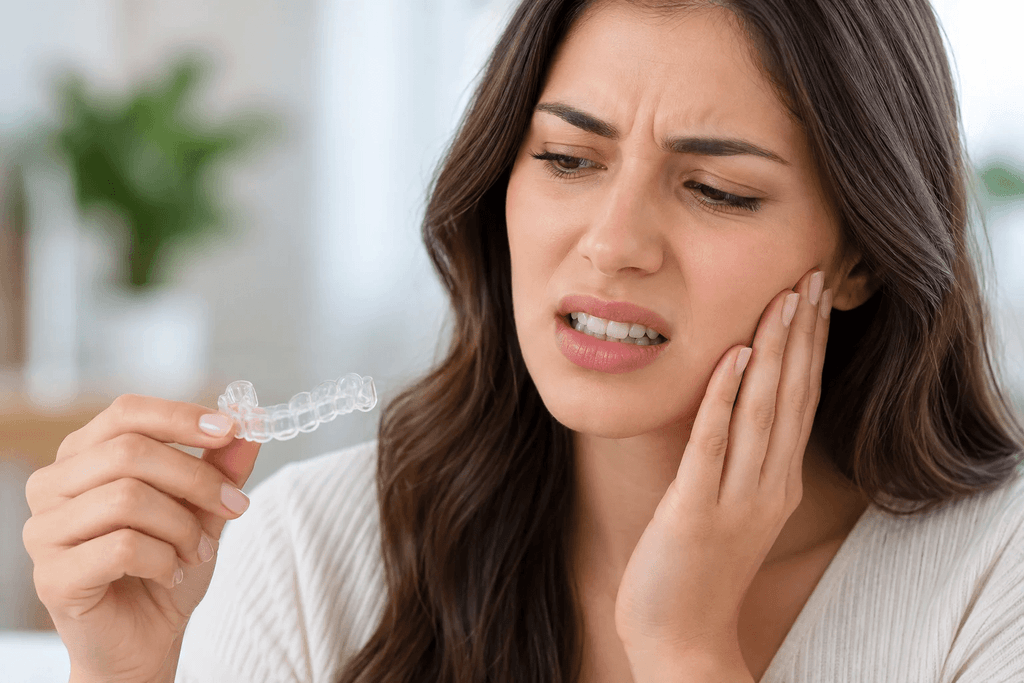
Is Invisalign Treatment Painful? What to Expect During the First Few Days
Invisalign treatment is a discreet way to straighten teeth using clear, removable aligners, but many patients ask, Is Invisalign painful? During the first few days, you may experience mild pressure, tooth tenderness, or temporary discomfort as your teeth begin to adjust to the aligners. These sensations are common and often improve within a few days as your mouth adapts to the treatment. At Aveley Dental, we help patients understand what to expect throughout their Invisalign journey. Whether you are considering treatment for a straighter smile or a complete smile makeover, knowing how to manage Invisalign discomfort can make the adjustment easier. If you are searching for an Invisalign dentist in Ellenbrook or considering Invisalign options near Brabham and Aveley, this guide explains the causes of Invisalign pain, practical ways to relieve discomfort, and when to seek professional dental advice. Is Invisalign Treatment Painful? The answer to whether Invisalign is painful is that most patients experience pressure or mild tenderness rather than significant pain. Invisalign aligners work by applying carefully planned forces to the teeth, encouraging gradual movement over time. This process can make the teeth feel sensitive, especially during the initial adjustment period. Understanding Pressure Versus Pain When you first insert your aligners, you may notice a tight sensation across your teeth. This pressure indicates that the aligners are applying force to guide your teeth towards their planned positions. Some patients describe the feeling as mild soreness, while others notice tenderness when biting or chewing. Does Invisalign hurt? It can cause temporary discomfort, but the experience is different for everyone. The sensation often becomes less noticeable as your mouth adapts to wearing the aligners. Why Does Invisalign Cause Tenderness? Tooth movement involves changes in the tissues and supporting structures around the teeth. As aligners apply pressure, the body responds to these forces, which can result in temporary sensitivity. This is a normal part of many orthodontic treatments. The intensity of Invisalign treatment pain depends on several factors, including: Mild discomfort is generally manageable. However, severe, sharp, or persistent pain should not be ignored. Contact your dentist if the pain is unusual, worsens, or prevents you from wearing your aligners as instructor. Interesting Read: How Do I Know if Invisalign Is the Right Choice for My Smile? What to Expect During the First Few Days of Invisalign Treatment The first week of Invisalign treatment is usually an adjustment period. Understanding the changes you may notice each day can help you prepare and establish a comfortable routine. Day 1: Getting Used to Your New Aligners On the first day, your aligners may feel tight as they fit over your teeth. You might notice pressure around particular teeth, especially those scheduled to move during the current stage of treatment. Speaking may also feel slightly different while your tongue adjusts to the presence of the aligners. Some patients experience minor irritation along the cheeks, lips, or tongue. This may happen while the mouth becomes accustomed to the aligner edges. To make the first day easier, we recommend following your dentist’s fitting instructions carefully. Insert and remove the aligners as demonstrated, keep them clean, and wear them for the prescribed amount of time. Avoid repeatedly removing them simply because they feel unfamiliar, as consistent wear is important for treatment progress. Drinking cool water may also help you feel more comfortable. If an aligner appears cracked, distorted, or unable to seat properly, contact your dental practice rather than attempting to modify it yourself. Days 2–3: When Invisalign Discomfort May Be Most Noticeable During the second and third days, tenderness may become more noticeable when biting or chewing. Your teeth may feel sensitive to pressure, making some foods less comfortable to eat. This does not necessarily mean that something is wrong with your Invisalign treatment. The discomfort occurs because the teeth and surrounding tissues are responding to the forces applied by the aligners. You may also notice that some teeth feel more sensitive than others, depending on the planned movements. To manage this stage, choose softer foods such as scrambled eggs, yoghurt, mashed vegetables, oatmeal, and soup that has cooled to a comfortable temperature. Remove your aligners before eating, as instructed, and brush your teeth before reinserting them. If the soreness interferes with your usual activities, ask your dentist or pharmacist whether an appropriate pain relief option is suitable for you. Do not take medication without considering your individual health circumstances or the advice of a qualified professional. Days 4–7: Gradually Adjusting to Invisalign By days four to seven, many patients find that the initial pressure and tenderness have started to settle. The aligners may feel more familiar, speaking can become easier, and everyday activities often require less conscious adjustment. The exact adjustment period varies. Some people feel comfortable within a few days, while others experience mild tenderness for longer. The duration can also differ whenever a new set of aligners is introduced. Continue wearing your aligners according to your dentist’s instructions, maintain good oral hygiene, and monitor how your teeth feel. If discomfort continues without improvement or becomes more intense, arrange a dental assessment to check the fit and your treatment progress. What Causes Invisalign Aligner Discomfort? Several factors can contribute to Invisalign alien discomfort, and understanding them can help you distinguish expected tenderness from problems that need attention. 1. Pressure as Teeth Gradually Move The main cause of Invisalign discomfort is the controlled pressure used to guide teeth towards their planned positions. Each aligner is designed to make specific adjustments, and your teeth need time to respond. Temporary tenderness is therefore common when beginning treatment or progressing to the next stage. 2. Switching to a New Set of Aligners Each new set of aligners is designed to continue the movement planned for your teeth. As a result, you may experience renewed pressure or sensitivity after changing aligners. This sensation generally settles as you adjust to the new set. Follow the change schedule provided by your dentist. Changing aligners earlier than instructed may affect treatment

