
Missing teeth can make everyday life harder chewing becomes uncomfortable, your smile feels incomplete, and confidence often takes a hit. Traditional dental implants are one of the most reliable solutions, but many people hesitate because of the cost or complexity of treatment.
That’s where mini dental implants come in. At Aveley Dental, we’re often asked if they are a practical alternative to conventional implants. This article will explain what they are, who they help, their benefits and drawbacks, and answer common questions so you can decide if dental implants in Aveley are right for you.
What Are Mini Dental Implants?
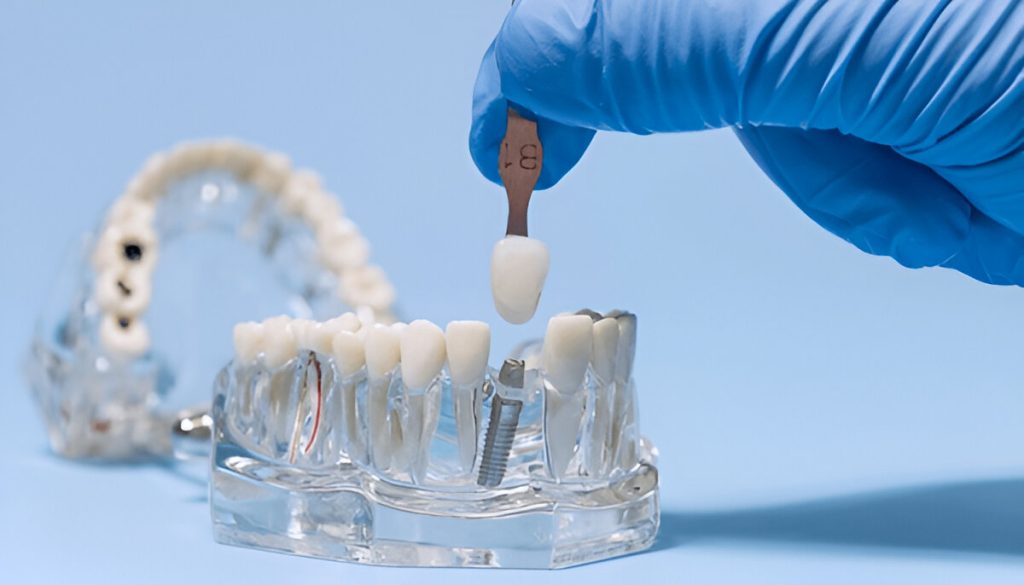
Mini dental implants are a smaller, less invasive version of traditional implants. While standard implants use a titanium screw about 3.5–6 mm in diameter, mini implants are usually under 3 mm.
They work much the same way:
- A titanium post is gently inserted into the jawbone.
- It acts as an artificial root, holding a crown, bridge, or denture in place.
- The smaller size often means less surgery and a shorter recovery time.
In short, they provide stability for replacement teeth without the same level of surgical complexity as full implants.
Why Mini Dental Implants Matter
Mini implants matter because they give patients options. Not everyone can (or wants to) go through a full implant procedure. Common situations where mini implants can help include:
- Patients with less bone density who may not be candidates for standard implants.
- Older adults seeking a faster, less invasive tooth replacement.
- People with loose dentures who want more stability.
- Budget-conscious patients who need a cost-effective option.
In Aveley and beyond, these implants allow more people to regain confidence in their smile without undergoing extensive surgery.
Key Questions About Mini Dental Implants
1. How do mini implants compare to traditional implants?
Traditional implants are stronger and often last longer, but mini implants are quicker to place and require less bone support. For some patients, mini implants are a good “middle ground.”
2. How long do mini dental implants last?
With good oral hygiene and regular checkups at your dentist in Aveley, mini implants can last several years sometimes even over a decade. They may not last as long as full implants, but they are durable when well cared for.
3. Are mini implants painful to get?
Most patients report minimal discomfort. Because the procedure is less invasive, recovery is typically faster than with traditional implants. Local anesthesia is usually all that’s needed.
4. How much do mini dental implants cost in Aveley?
Costs vary depending on how many teeth are being replaced and the clinic you choose. Generally, mini implants cost less than full implants, making them an attractive option for patients on a budget.
5. Can anyone get mini implants?
Not always. Patients with very low bone density, active gum disease, or severe grinding issues may not be good candidates. A consultation with a trusted Aveley dentist is the best way to find out.
Common Misconceptions About Mini Implants
- Myth: Mini implants are only temporary.
Truth: With proper care, mini implants can last for many years, though they may not match the lifespan of traditional implants. - Myth: They’re weaker and likely to fail.
Truth: Mini implants are strong and reliable, especially for supporting dentures and replacing smaller teeth. - Myth: They don’t look natural.
Truth: Mini implants are fitted with custom crowns or prosthetics that blend naturally with surrounding teeth.
Tips and Best Practices for Mini Dental Implants
- Schedule a consultation with a dentist in Aveley to check bone density and gum health.
- Maintain excellent oral hygiene brush, floss, and use antibacterial mouthwash.
- Avoid habits that stress implants (e.g., chewing ice, nail biting).
- Visit Aveley Dental for routine checkups to monitor implant stability.
- Ask about aftercare instructions and stick to soft foods during initial healing.
FAQ: Mini Dental Implants in Aveley
Q1. How soon can I eat after getting mini implants?
Most patients can eat soft foods within 24–48 hours, gradually returning to normal foods as healing progresses.
Q2. Do mini implants require bone grafting?
Usually not. Their smaller size means they can be placed in areas with less bone, making them suitable for patients who want to avoid grafting.
Q3. Can mini implants replace molars?
They are better suited for front teeth or stabilizing dentures. For molars that take heavy chewing force, traditional implants may be recommended.
Q4. Will insurance cover mini dental implants?
Coverage varies. Some plans partially cover implants, while others classify them as elective. It’s best to check with your provider.
Q5. How long is the procedure?
Many mini implant placements can be completed in a single visit, with patients resuming normal activities quickly.
Are Mini Dental Implants Right for You?
Mini dental implants are a practical, affordable solution for many patients who want to restore their smile without the cost and recovery time of traditional implants. While they may not be perfect for everyone, they offer comfort, stability, and renewed confidence.
At Aveley Dental, we’re here to guide you through your options for dental implants in Aveley from mini implants to full restorations.
Ready to explore whether mini implants are right for you? Contact Aveley Dental today or visit our website https://www.aveleydental.com.au/ to book your consultation.
Read More: 10 Common Dental Problems in Kids and How a Kids Dentist Can Help