
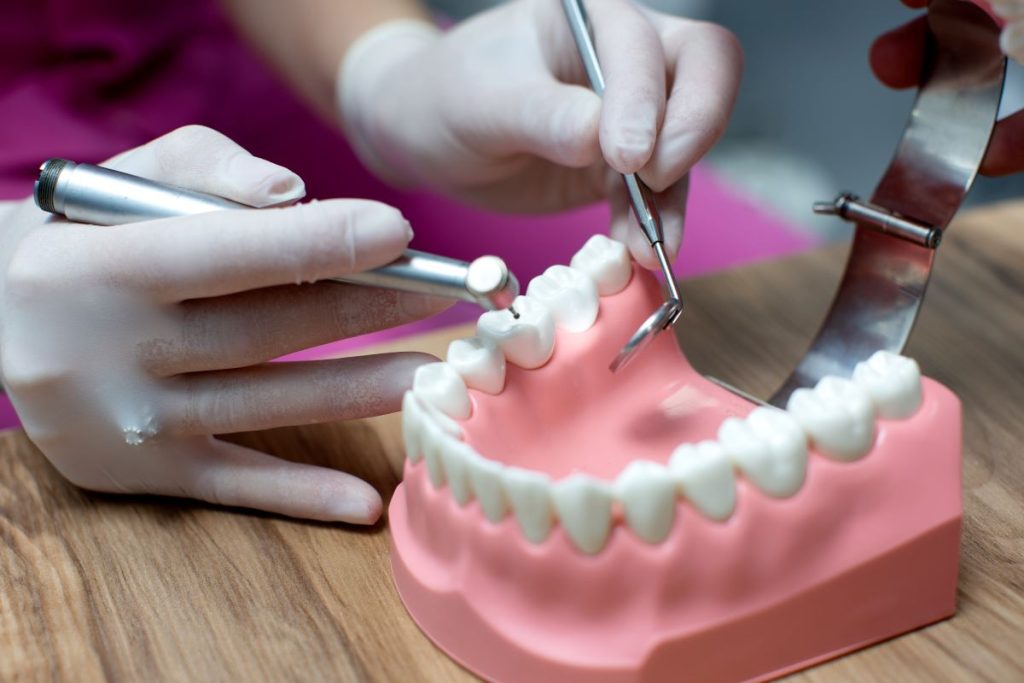
Dental implants have revolutionized the way we restore missing teeth, offering a long-term, natural-looking solution for individuals who have lost teeth due to injury, decay, or disease. Unlike dentures or bridges, dental implants provide unparalleled support and stability by fusing directly with the jawbone. But did you know that there are different types of dental implants available depending on your individual needs? In this blog, we’ll explore the main types of dental implants, their benefits, and who they are best suited for.
Understanding Dental Implants
Dental implants consist of three main components: the implant post (which acts like the tooth root), the abutment (which connects the implant to the crown), and the dental crown (the visible part that mimics a natural tooth). These components work together to restore full function and aesthetics to your smile.
If you’re considering dental implants in Brabham, it’s essential to understand the various types available to determine the best option for your oral health and lifestyle.
1. Endosteal Implants
Endosteal implants are the most commonly used type of dental implant. These implants are surgically inserted directly into the jawbone and serve as a sturdy base for one or more prosthetic teeth. Typically made of titanium, endosteal implants are ideal for patients with sufficient bone density and healthy gum tissue.
Best for: Patients with healthy jawbones and those seeking a permanent solution to replace one or multiple teeth.
Benefits:
- High success rate
- Long-lasting and durable
- Feels and functions like natural teeth
2. Subperiosteal Implants
Subperiosteal implants are an alternative to endosteal implants for patients who may not have enough healthy jawbone and are not candidates for bone grafting. Instead of being placed into the bone, subperiosteal implants rest on top of the jawbone but underneath the gum tissue. A metal frame is used to support the implant and hold the prosthetic teeth in place.
Best for: Patients with inadequate jawbone height or volume who prefer not to undergo bone augmentation.
Benefits:
- Less invasive than endosteal implants
- Suitable for patients with jawbone loss
- Reduced healing time
3. Zygomatic Implants
Zygomatic implants are the least common and most complex type. These implants are used when a patient lacks sufficient upper jawbone for traditional implants and bone grafting is not an option. Instead of being anchored in the jawbone, zygomatic implants are anchored in the cheekbone (zygoma).
Best for: Patients with severe bone loss in the upper jaw
Benefits:
- No need for bone grafting
- Suitable for patients with significant bone resorption
- Offers a secure and permanent solution
If you’re exploring these advanced options, working with a skilled dentist in Bullsbrook who has experience with zygomatic and other specialized implants is crucial for a successful outcome.
4. All-on-4 Dental Implants
All-on-4 is a revolutionary dental implant technique that allows a full arch of teeth to be supported by just four implants. This option is ideal for individuals who are missing most or all of their teeth in either the upper or lower jaw.
Best for: Patients who need full-arch restoration without multiple implants
Benefits:
- Minimally invasive
- Immediate function and aesthetics
- Cost-effective for full-mouth restoration
5. Mini Dental Implants
Mini dental implants (MDIs) are smaller and narrower than traditional implants. They are often used in patients who do not have enough bone for conventional implants and don’t want to undergo bone grafting. MDIs are typically used to stabilize lower dentures and require less healing time.
Best for: Patients with small teeth, limited bone structure, or denture stabilization
Benefits:
- Less invasive procedure
- Faster recovery
- Lower cost
Choosing the Right Type of Dental Implant
The ideal type of dental implant for you will depend on several factors, including:
- The number of teeth missing
- Bone density and quality
- Overall oral and general health
- Budget and timeline
A professional dental consultation with a skilled implant dentist is necessary to determine the best treatment plan tailored to your unique situation.
Frequently Asked Questions (FAQs)
1. Are dental implants safe?
Yes, dental implants are a safe and well-established treatment with a high success rate when performed by experienced professionals.
2. How long do dental implants last?
With proper care, dental implants can last 20 years or more—often a lifetime.
3. Is the dental implant procedure painful?
The procedure is performed under local anesthesia or sedation, so most patients experience minimal discomfort. Some soreness is expected post-surgery, but it’s typically manageable.
4. Can I get dental implants if I have gum disease?
Gum disease needs to be treated and managed before implant placement. Your dentist will evaluate your oral health to determine your eligibility.
5. How much do dental implants cost?
Costs vary based on the type of implant and the complexity of your case. Your dentist will provide a detailed cost breakdown during your consultation.
Final Thoughts
Dental implants offer a highly effective solution for replacing missing teeth, improving both function and aesthetics. Whether you need a single tooth replacement or a full-mouth restoration, there is a dental implant option to suit your needs.
Understanding the types of dental implants—from endosteal and subperiosteal to advanced solutions like zygomatic and All-on-4—can help you make an informed decision about your oral health.
Ready to Transform Your Smile?
If you’re ready to explore your options with dental implants, book your appointment today with our expert dental team. We’ll guide you through every step of the process, from consultation to aftercare, ensuring you receive the highest quality of care.
Also read: What Are the Signs You Might Need a Custom Mouth Guard?