
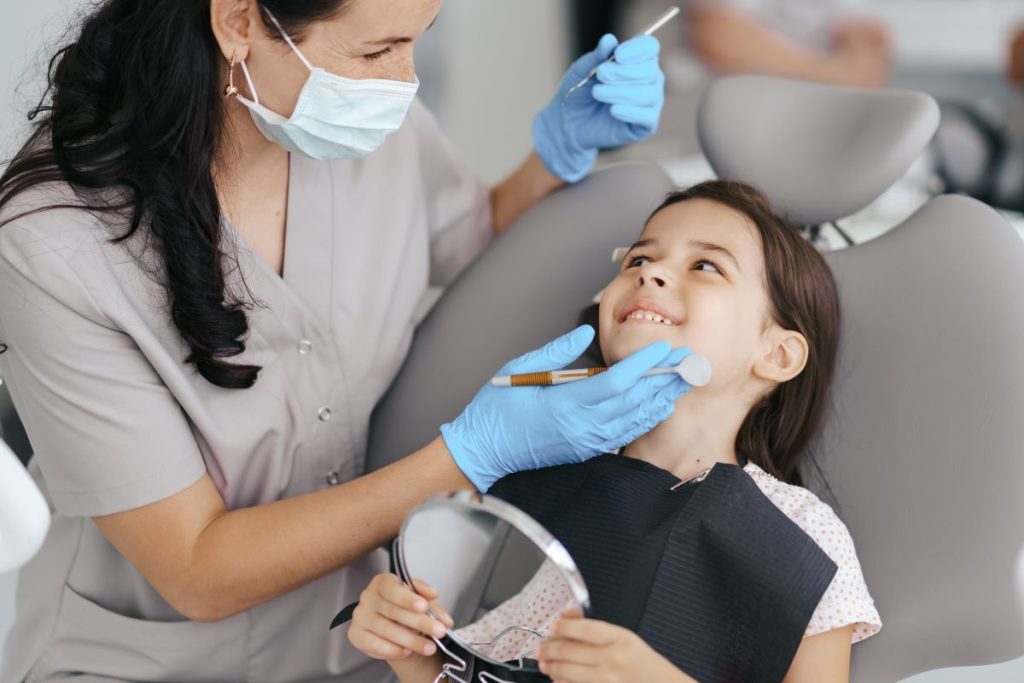
Many parents often ask, “Do baby teeth really matter if they’re just going to fall out anyway?” It’s a common question—and a valid one. After all, baby teeth are temporary. But here’s the truth: baby teeth play a critical role in a child’s development and long-term oral health. In this blog, a pediatric dentist dives into why baby teeth are far more important than many people realize, and what parents need to know to keep their child’s smile healthy from the start.
The Role of Baby Teeth in Childhood Development
Baby teeth, also called primary teeth, typically begin to emerge around six months of age and continue to come in until about age three. These teeth are vital for more than just chewing—they aid in speech development, guide the growth of permanent teeth, and help build a child’s self-esteem with a confident smile.
Many parents who visit a children’s dentist in Ellenbrook are surprised to learn how much baby teeth impact adult oral health. Neglecting baby teeth can lead to infections, premature tooth loss, and even orthodontic issues later in life. Regular dental visits help detect problems early and set the foundation for a lifetime of healthy habits.
Why Caring for Baby Teeth is Crucial
Baby teeth are susceptible to decay just like adult teeth. In fact, early childhood cavities (also called “baby bottle tooth decay”) are one of the most common chronic diseases in children. This kind of decay can cause pain, infection, and difficulty eating or speaking. It may even affect a child’s ability to concentrate in school due to discomfort or embarrassment.
It’s not uncommon for parents to seek Ellenbrook emergency dentistry when their child experiences sudden pain or injury related to baby teeth. But many of these emergencies are preventable with early and consistent dental care. Teaching kids proper brushing and flossing techniques, limiting sugary snacks and drinks, and scheduling routine checkups are essential steps in prevention.
The Link Between Baby Teeth and Adult Teeth
One of the lesser-known facts about baby teeth is their role in guiding permanent teeth into place. Each primary tooth holds space in the jaw for the adult tooth that will eventually replace it. If a baby tooth is lost too early—due to decay or trauma—the surrounding teeth may shift into that space, causing alignment issues and potentially leading to the need for braces.
Parents who regularly visit an Ellenbrook dentist often find that their children require fewer orthodontic interventions later on. That’s because maintaining healthy baby teeth can minimize the risk of spacing problems and help permanent teeth come in properly aligned.
Common Myths About Baby Teeth—Debunked!
Myth #1: Baby teeth don’t need to be brushed.
Truth: Baby teeth need just as much care as adult teeth. Start brushing as soon as the first tooth appears with a soft-bristled toothbrush and a smear of fluoride toothpaste.
Myth #2: Cavities in baby teeth don’t matter.
Truth: Cavities can lead to infections and pain, affecting a child’s overall health and development. Early dental care prevents these issues.
Myth #3: Dental visits aren’t necessary until all baby teeth have come in.
Truth: The Australian Dental Association recommends children see a dentist by their first birthday, or within six months of the first tooth appearing.
Tips for Parents to Maintain Healthy Baby Teeth
- Brush twice a day: Use age-appropriate toothpaste and supervise brushing until at least age 7.
- Limit sugary foods and drinks: Avoid frequent snacking and offer water instead of juice or soft drinks.
- Avoid putting a child to bed with a bottle: This can lead to severe tooth decay.
- Regular dental visits: Schedule checkups every six months with a trusted pediatric dentist.
FAQs: Baby Teeth and Pediatric Dental Care
Q1. At what age should I take my child to the dentist?
A: Ideally, by the child’s first birthday or within six months of the first tooth coming in.
Q2. What should I do if my child chips or knocks out a baby tooth?
A: Contact your local Ellenbrook emergency dentistry clinic immediately. A dentist will assess whether urgent treatment is needed.
Q3. Can cavities in baby teeth affect adult teeth?
A: Yes. Cavities can spread infection to underlying permanent teeth or disrupt their proper development.
Q4. Are dental X-rays safe for children?
A: Yes. Pediatric dentists use low-radiation X-rays and only when necessary to evaluate the growth and condition of the teeth.
Q5. How do I prepare my child for their first dental visit?
A: Read children’s books about the dentist, role-play dental checkups at home, and stay positive to ease any anxiety.
Conclusion: Don’t Underestimate the Importance of Baby Teeth
Although temporary, baby teeth are essential for your child’s overall health, development, and confidence. Early and consistent dental care can prevent costly and painful issues down the road. Whether it’s your child’s first visit or a dental emergency, don’t wait until problems arise—proactive care makes all the difference.
If you’re looking for a trusted Ellenbrook dentist who understands your child’s needs, we’re here to help. Our pediatric dental team offers gentle, friendly, and comprehensive care for kids of all ages.
Schedule your child’s appointment today and give their smile the healthy start it deserves!